
A cat has a fever if its body temperature exceeds 102.5°F, often signaled by lethargy, loss of appetite, and warm ears.
As a lifelong cat owner and someone who has spent years working alongside veterinary professionals, I have learned that our feline companions are masters at hiding pain. When your cat starts acting differently, it is natural to worry, and learning how to know if a cat has a fever is an essential skill for any pet parent. While a thermometer is the only way to get a precise reading, recognizing the subtle behavioral shifts is the first step toward getting your pet the help they need. In this guide, we will explore the clinical signs and practical steps to monitor your cat’s health effectively.

Recognizing the Physical Signs of a Fever
Cats maintain a normal body temperature between 100.5°F and 102.5°F. When this rises, their body works overtime to fight off infection or inflammation. Because cats rarely show obvious symptoms until they are quite ill, you must observe their daily habits closely.
- Lethargy or hiding: A feverish cat will often lose interest in play and seek out dark, quiet corners to sleep.
- Loss of appetite: If your cat refuses their favorite treats or eats significantly less than usual, their immune system might be struggling with a temperature spike.
- Warm ears and paws: While this is not a clinical diagnosis, touch can often reveal heat radiating from areas that are usually cool to the touch.
- Rapid breathing or panting: An elevated body temperature increases the metabolic rate, leading to heavy breathing even when the cat is at rest.
- Neglected grooming: A cat with a fever often stops cleaning itself, leading to a dull or matted coat.

Source: basmifipphilippines.com
How to Properly Measure Your Cat’s Temperature
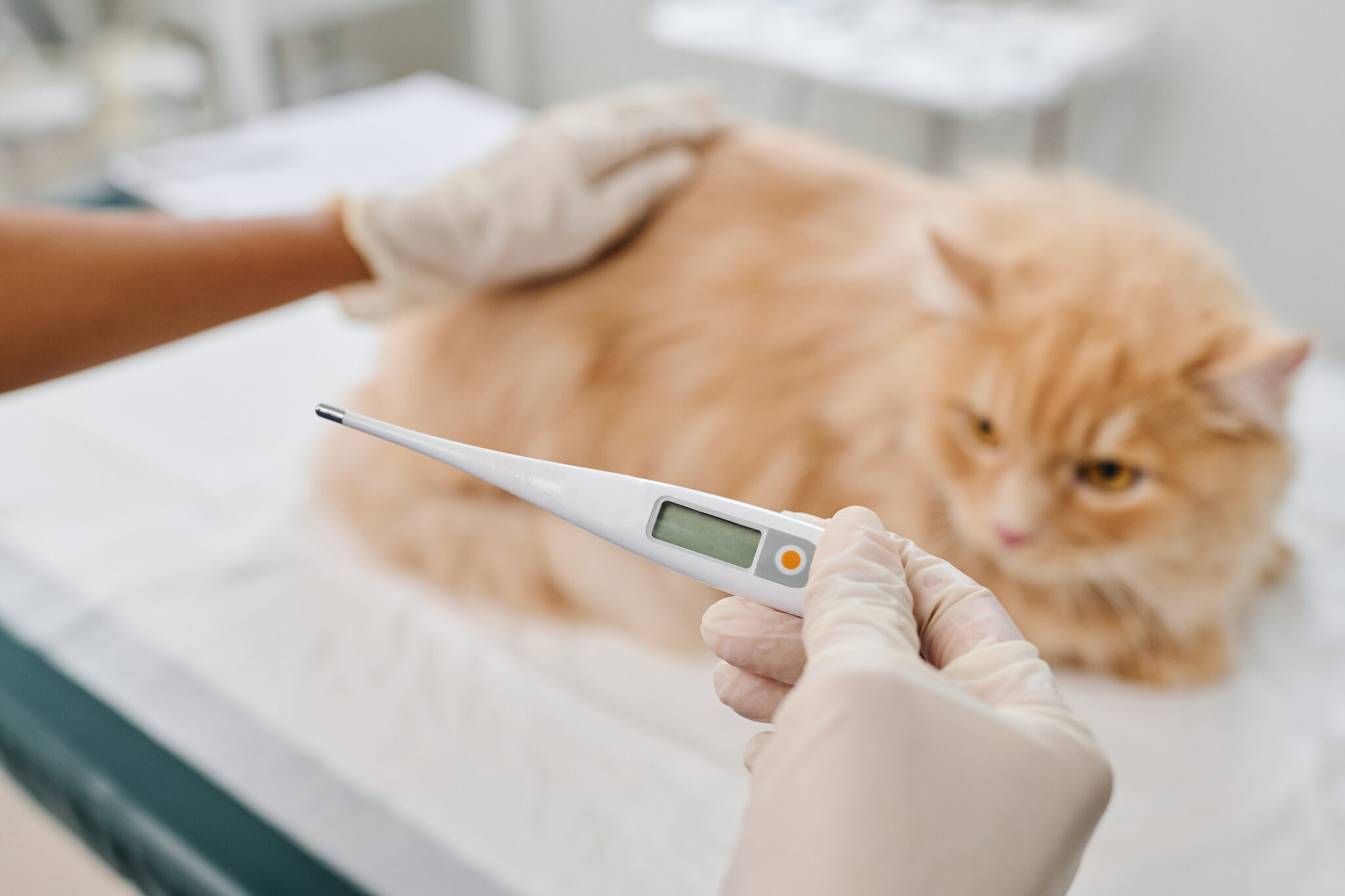
The only way to confirm a fever is to use a rectal thermometer. I know this sounds daunting, but with a little preparation, you can handle it calmly. Always use a digital thermometer specifically designed for pets to ensure safety and comfort.
- Apply lubricant: Use a small amount of petroleum jelly on the tip of the thermometer to make insertion gentle and pain-free.
- Position the cat: Ask a friend to gently hold your cat by the scruff or wrap them in a towel to keep them still.
- Insertion: Lift the tail and gently insert the thermometer about one half to one inch into the rectum.
- Wait for the beep: Keep the cat calm until the device signals the reading.
- Clean and reward: Once finished, sanitize the thermometer and give your cat a treat to reinforce a positive experience.
Source: frontierveturgentcare.com
Underlying Causes of Feline Fever
Knowing how to know if a cat has a fever is helpful, but you must also understand why it happens. Fever is not a disease itself; it is a symptom of an underlying issue that your cat’s immune system is fighting.
- Infections: Bacteria, viruses, or even fungal infections are the most common triggers for a fever.
- Abscesses: Small bite wounds from other cats or sharp objects often lead to localized infections that cause systemic fever.
- Inflammation: Conditions like pancreatitis or inflammatory bowel disease can trigger a rise in temperature.
- Toxicity: Exposure to certain plants or household chemicals can cause a feverish reaction as the body attempts to process the toxin.
- Immune mediated diseases: Sometimes the immune system mistakenly attacks the body, causing chronic inflammation and fever.

Source: carolinavet.com
When to Seek Veterinary Care
As someone who has navigated many health scares with my own pets, I always err on the side of caution. If your cat has a temperature above 103°F, it is time to call your veterinarian. If it hits 105°F, this is a medical emergency that requires immediate intervention to prevent organ damage.
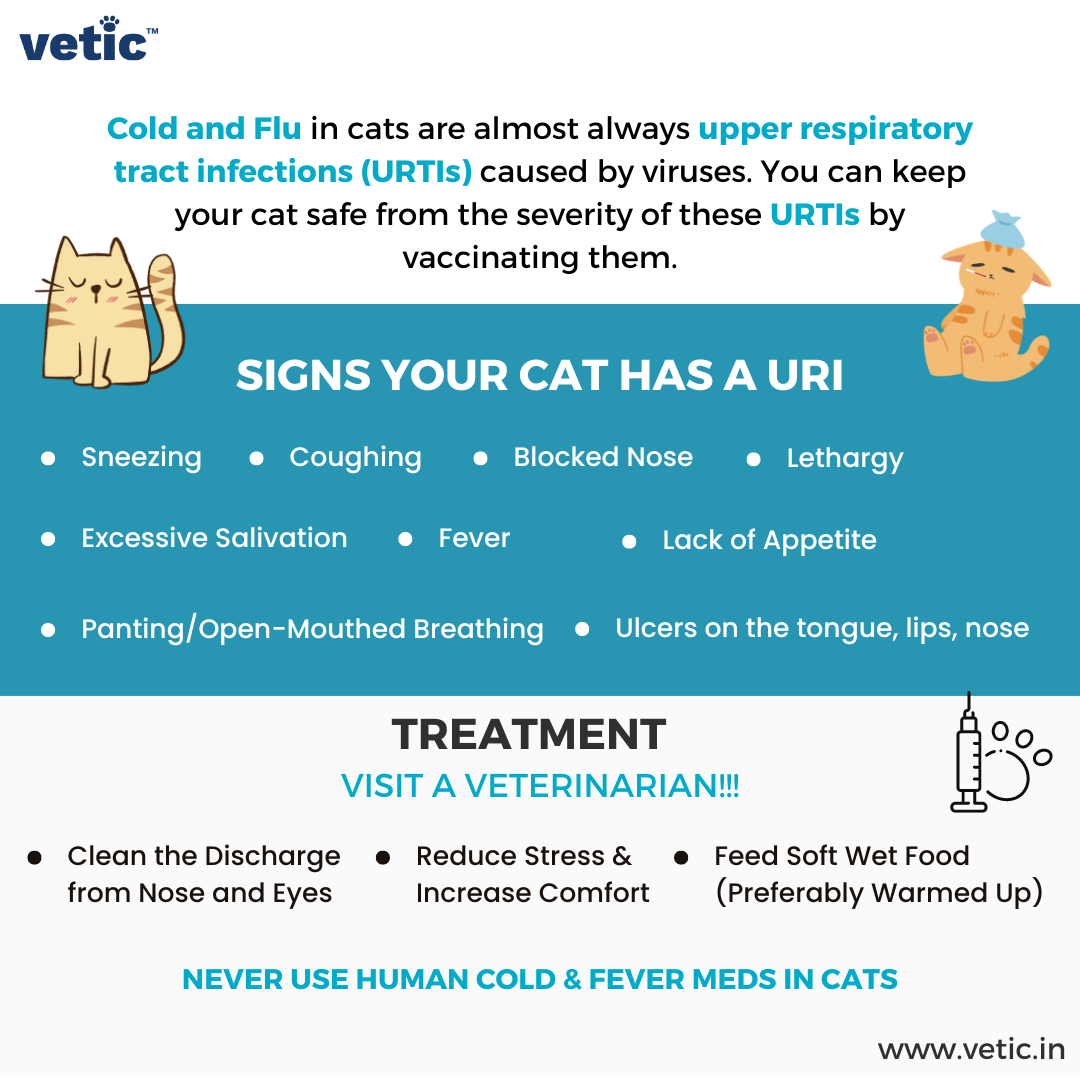
Never try to treat your cat’s fever with human medications. Drugs like acetaminophen or ibuprofen are highly toxic to cats and can be fatal. Always let a licensed professional diagnose the cause of the fever before administering any form of medication or cooling aid.
Source: vetic.in
Frequently Asked Questions of How to know if a cat has a fever
Can I tell if my cat has a fever by touching its nose?
While a dry or warm nose can be a sign, it is not a reliable way to diagnose a fever. Humidity and environment often change nose temperature, so a rectal thermometer remains the gold standard.
How do I calm my cat while taking its temperature?
Keep the room quiet and use a soft towel to wrap your cat snugly, leaving only the rear exposed. Talk in a gentle, soothing voice throughout the process to keep them relaxed.
Does a fever always mean my cat has an infection?
Not necessarily, as fever can also be caused by inflammation, toxins, or immune system disorders. A vet must perform blood work or an exam to determine the exact cause.
Should I try to cool my cat down with water?
Do not submerge your cat in water or use ice packs, as this can cause shock or hypothermia. If your cat is overheating, focus on getting them to a cool, quiet room and seeking immediate veterinary help.
How quickly can a fever affect a cat?
A high fever can cause rapid dehydration and lethargy within a few hours. If your cat refuses food or water for more than 24 hours, contact your vet immediately.
Conclusion
Understanding how to know if a cat has a fever allows you to act quickly when your companion is feeling under the weather. By monitoring changes in behavior and keeping a digital thermometer in your pet first aid kit, you become a proactive guardian of their health. Remember that while physical signs provide clues, your vet is the best resource for a definitive diagnosis and treatment plan. Stay observant, trust your instincts, and always prioritize your cat’s comfort during recovery. If you found this guide helpful, consider sharing it with other cat lovers or subscribe to our newsletter for more expert pet care tips.
