
If your cat won’t stop begging for food, you’re not alone—and it can quickly wear down your patience. You might feel guilty ignoring those pleading eyes or frustrated when meows follow you around the kitchen.
But giving in every time only teaches your cat that begging works. The good news? You can change this behavior without stress or constant battles. You’ll discover simple, effective steps to stop your cat from begging and help them feel satisfied and happy.
Keep reading to regain control over mealtimes and enjoy a peaceful home again.
Reasons Cats Beg For Food
Cats beg for food for several reasons. Understanding why they do this helps you manage the behavior. Sometimes, begging signals a real need. Other times, it is a learned habit or a way to get your attention. Knowing the cause is the first step to stop the begging. Here are the main reasons cats beg for food.
Hunger And Feeding Schedule
Hunger is the most obvious reason cats beg. Cats have small stomachs and need regular meals. If feeding times are irregular, cats may beg more often. Feeding your cat at set times helps control their hunger. Avoid free-feeding to prevent constant begging. A balanced feeding schedule keeps your cat satisfied.
Attention Seeking
Cats quickly learn that begging gets your attention. They may meow or paw at you to get noticed. This behavior becomes a way to interact with you. Some cats feel lonely and use food begging as a way to connect. Giving attention only when they beg teaches them to repeat it. Ignoring this behavior can reduce attention-seeking begging.
Boredom And Anxiety
Bored cats often beg out of frustration. Lack of stimulation causes stress and anxious behavior. Begging can be a way to cope with boredom. Cats need playtime and mental challenges to stay happy. Providing toys and activities reduces begging from boredom or anxiety. A busy cat is less likely to beg for food.
Medical Conditions
Some health problems cause increased hunger or appetite. Conditions like diabetes or hyperthyroidism make cats feel hungry all the time. Parasites can also affect appetite and cause begging. If your cat suddenly begins begging more, a vet check is important. Treating medical issues helps stop begging driven by illness.

Credit: www.reddit.com
Adjusting Feeding Habits
Adjusting your cat’s feeding habits plays a big role in stopping begging behavior. Cats often beg because they expect food at all times. Changing their feeding routine helps them understand when to eat. This reduces their constant requests for treats or scraps.
Feeding your cat on a clear schedule creates a sense of security. They learn when to expect meals and stop pestering you. Using tools like automatic feeders can make feeding times consistent. Managing portion sizes ensures your cat feels full but not overfed.
Set Regular Meal Times
Feed your cat at the same times each day. Cats thrive on routine and will wait patiently for meals. Avoid free-feeding or leaving food out all day. This habit encourages begging and overeating.
Choose two to three meal times daily. Stick to these times strictly. Your cat will learn to expect food only at these moments. This reduces their urge to beg between meals.
Use Automatic Feeders
Automatic feeders deliver food on a set schedule. They remove your presence from feeding time. This stops your cat from associating you with food.
Set the feeder to release meals at regular intervals. Your cat will focus on the feeder, not you. This method helps break the habit of begging directly at you.
Control Portion Sizes
Measure your cat’s food carefully at each meal. Overfeeding leads to begging for more food. Underfeeding can make your cat feel hungry and restless.
Follow feeding guidelines based on your cat’s weight and activity. Portion control keeps your cat healthy and satisfied. A well-fed cat is less likely to beg for extra treats.
Breaking Begging Behavior
Breaking begging behavior in cats requires changing their habits around food. Cats often beg because they expect treats or extra meals. To stop this, you must change how you respond to their begging. Your reactions teach your cat what to expect. Consistent and clear signals help your cat learn new behavior. Patience and persistence are key to success. The following methods focus on breaking this cycle.
Ignore Begging Completely
Ignoring your cat’s begging is one of the best ways to stop it. When you give no attention, the cat stops seeing begging as a way to get food. Do not look at, talk to, or touch your cat while it begs. This removes the reward of attention. Over time, your cat will lose interest in begging. It learns that begging does not bring results.
Avoid Giving Extra Treats
Giving extra treats encourages your cat to beg more. Each treat is a reward for the begging behavior. Avoid feeding your cat outside of regular meal times. Do not give snacks from your plate or kitchen. Stick to the feeding schedule you set. This prevents confusion about when food is available. Your cat will learn to wait for meals without begging.
Stay Consistent And Patient
Consistency is crucial for breaking begging habits. Everyone in the household must follow the same rules. Mixed messages confuse your cat and slow progress. Be patient; behavior changes take time. Your cat may beg more at first. This is a normal reaction called an extinction burst. Keep ignoring and avoiding treats during this phase. Eventually, your cat will stop begging and settle into new habits.
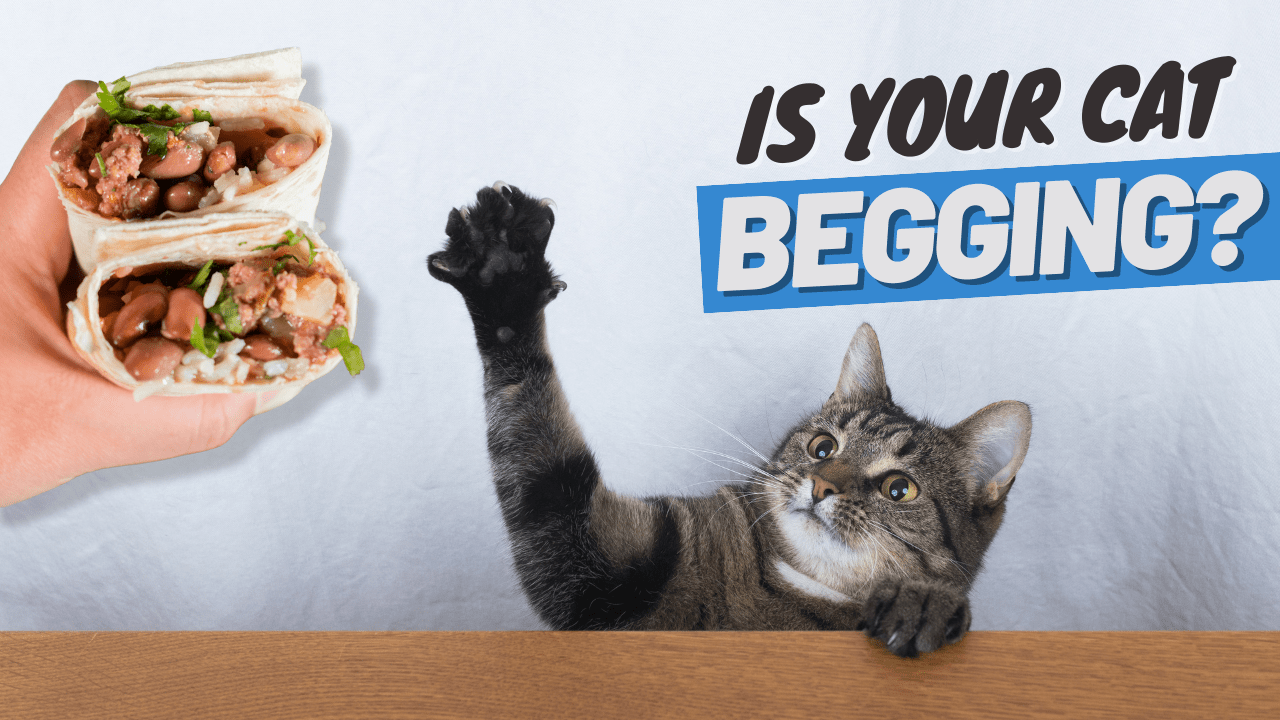
Credit: www.outdoorbengal.com
Enriching Your Cat’s Environment
Enriching your cat’s environment can reduce begging and boost their happiness. Cats feel more satisfied when they stay active and engaged. A bored cat often begs for food out of habit or for attention. You can help by making their daily life more interesting and stimulating.
Introduce Puzzle Feeders
Puzzle feeders make cats work for their food. These feeders hide food inside compartments or toys. Your cat must solve the puzzle to get the treat. This mimics natural hunting behavior and slows down eating. Puzzle feeders keep cats busy and mentally sharp. They reduce boredom and stop constant begging for food.
Provide Interactive Toys
Interactive toys encourage cats to play and explore. Toys like feather wands, laser pointers, or motorized mice mimic prey. Playing with these toys taps into your cat’s hunting instincts. This helps shift their focus from food to fun activities. Interactive toys keep your cat entertained and mentally active. They also strengthen your bond with your pet.
Increase Playtime And Exercise
Daily playtime helps use your cat’s energy positively. Aim for at least two short play sessions a day. Use toys that encourage chasing, pouncing, and jumping. Exercise reduces stress and prevents weight gain. A tired cat is less likely to beg for extra food. Regular play makes your cat happier and healthier overall.
Redirecting Attention
Redirecting your cat’s attention helps break the habit of begging for food. Cats often beg because they want interaction or stimulation. Giving them new activities or comfort shifts their focus away from food. This method reduces unwanted behavior gently and effectively.
Use Wand And Laser Toys
Wand toys and laser pointers catch a cat’s interest quickly. These toys mimic prey, encouraging your cat to chase and pounce. Play sessions can tire your cat and satisfy hunting instincts. Frequent play times keep your cat busy and less focused on food.
Offer Snuggle And Comfort Time
Some cats beg because they want attention or comfort. Offering cuddles or gentle petting can calm their neediness. This helps your cat feel secure without relying on food. Quiet moments together build trust and reduce begging behaviors.
Create New Rituals
New routines keep your cat engaged and distracted. Try setting specific times for play, petting, or brushing. Rituals give your cat something to expect besides meals. This structure lowers begging by filling their day with positive activities.
When To Consult A Veterinarian
Knowing when to seek veterinary advice is crucial if your cat’s begging seems unusual. Persistent hunger might signal health issues that need professional attention. Early diagnosis can prevent serious problems and improve your cat’s quality of life.
Sudden Increase In Appetite
A sharp rise in your cat’s hunger can indicate health concerns. Conditions like diabetes or hyperthyroidism cause increased appetite. Monitor your cat closely and note any changes in eating habits. Consult a veterinarian to rule out medical causes behind the sudden hunger.
Unexplained Weight Loss
Begging paired with weight loss is a warning sign. Even if your cat eats more, losing weight may point to illness. Diseases such as kidney problems or gastrointestinal issues can cause this. Visit a vet promptly to diagnose and treat the underlying issue.
Behavioral Changes
Changes in behavior alongside begging require veterinary attention. Signs include lethargy, irritability, or hiding more than usual. These may signal pain or discomfort. Professional evaluation helps identify if health problems drive these behaviors.

Credit: canagan.com
Frequently Asked Questions
How Do I Get My Cat To Stop Begging For Food All The Time?
Use scheduled automatic feeders to break the food-owner link. Ignore begging to avoid rewarding it. Provide puzzle feeders to engage their hunting instincts. Redirect attention with playtime. Consult a vet if begging is sudden or excessive.
What Is The 3-3-3 Rule Of Cats?
The 3-3-3 rule for cats means: 3 weeks old to leave mom, 3 months socialization, 3 years prime health.
What Breed Of Cat Is The Most Clingy?
Ragdolls are the most clingy cat breed, known for their affectionate, “puppy-like” behavior. Siamese and Maine Coons also show strong attachment.
Can I Ignore My Cat Begging For Food?
You can ignore your cat begging for food to avoid reinforcing the behavior. Stay consistent and do not give treats. Redirect their attention with toys or play. Consult a vet if begging increases suddenly or seems excessive. Patience and routine help stop begging effectively.
Conclusion
Stopping a cat from begging takes patience and consistency. Feed your cat on a regular schedule using automatic feeders. Avoid giving treats or attention when they beg. Offer puzzle toys to keep them busy and mentally stimulated. Redirect their focus with playtime instead of food.
Over time, your cat will learn to stop begging. This helps both you and your pet enjoy mealtime in peace.
