
To make a kitten gain weight safely, provide high-calorie, nutrient-dense kitten food, frequent small meals, and veterinary oversight.
Seeing a tiny kitten struggle to grow can be heartbreaking for any pet owner. Through my years of fostering rescue litters, I have learned that the key to helping a kitten thrive is a patient, systematic approach to nutrition. Many new owners mistakenly try to rush the process with human food, which can be dangerous. Understanding how to make a kitten gain weight safely requires a balance of quality fuel and consistent medical monitoring to ensure you are building muscle, not just fat. Let’s walk through the steps to get your little friend back on the growth curve.

Identifying Why Your Kitten Is Underweight
Before you change their diet, you must determine why they are not hitting their growth milestones. In my experience, the most common reason is simply not eating enough calories to match their high energy expenditure. However, you should never ignore potential underlying issues. Internal parasites like roundworms are extremely common in young kittens and essentially steal the nutrients before the body can absorb them.
Beyond parasites, kittens may struggle to gain weight due to stress, dental pain, or even feline viruses. If your kitten is lethargic, has a bloated belly, or suffers from chronic diarrhea, a visit to the veterinarian is the first step. They can rule out illnesses and provide a baseline for your kitten's healthy weight range. Once you have a clean bill of health, you can confidently implement a feeding strategy to help your kitten gain weight safely.
Choosing the Right High-Calorie Foods
The most effective way to make a kitten gain weight safely is to choose a diet specifically formulated for feline growth. These foods are far more calorie-dense than adult cat food and contain higher levels of protein and fats. Look for labels that mention they are approved for the growth stage of life. If you are struggling to get them to eat, consider warming up wet food slightly to release the aroma, which often entices a picky eater.
When I have kittens that are severely underweight, I often mix a small amount of kitten-specific milk replacer into their wet food. This creates a high-calorie gruel that is easy to digest and packed with essential nutrients. Always ensure there is fresh water available nearby, as a high-protein diet requires proper hydration to keep the kidneys functioning well. Avoid cow’s milk, as it often causes digestive distress, which will actually set back your progress.
Implementing a Frequent Feeding Schedule
Kittens have very small stomachs, meaning they cannot consume large amounts of food in a single sitting. To make a kitten gain weight safely, you must move away from the idea of two meals a day. Instead, aim for four to six small, frequent meals throughout the day and night. This keeps their blood sugar stable and maximizes the amount of energy they can process at once.
In my home, I keep a log when I am nursing an underweight kitten to track exactly how much they eat. If they leave food behind, do not worry; just pull the bowl away and offer a fresh portion later. Consistency is the secret ingredient here. By providing regular opportunities to eat, you allow the kitten to consume the surplus calories needed for steady, healthy growth without overwhelming their digestive system.
Monitoring Progress and Adjusting
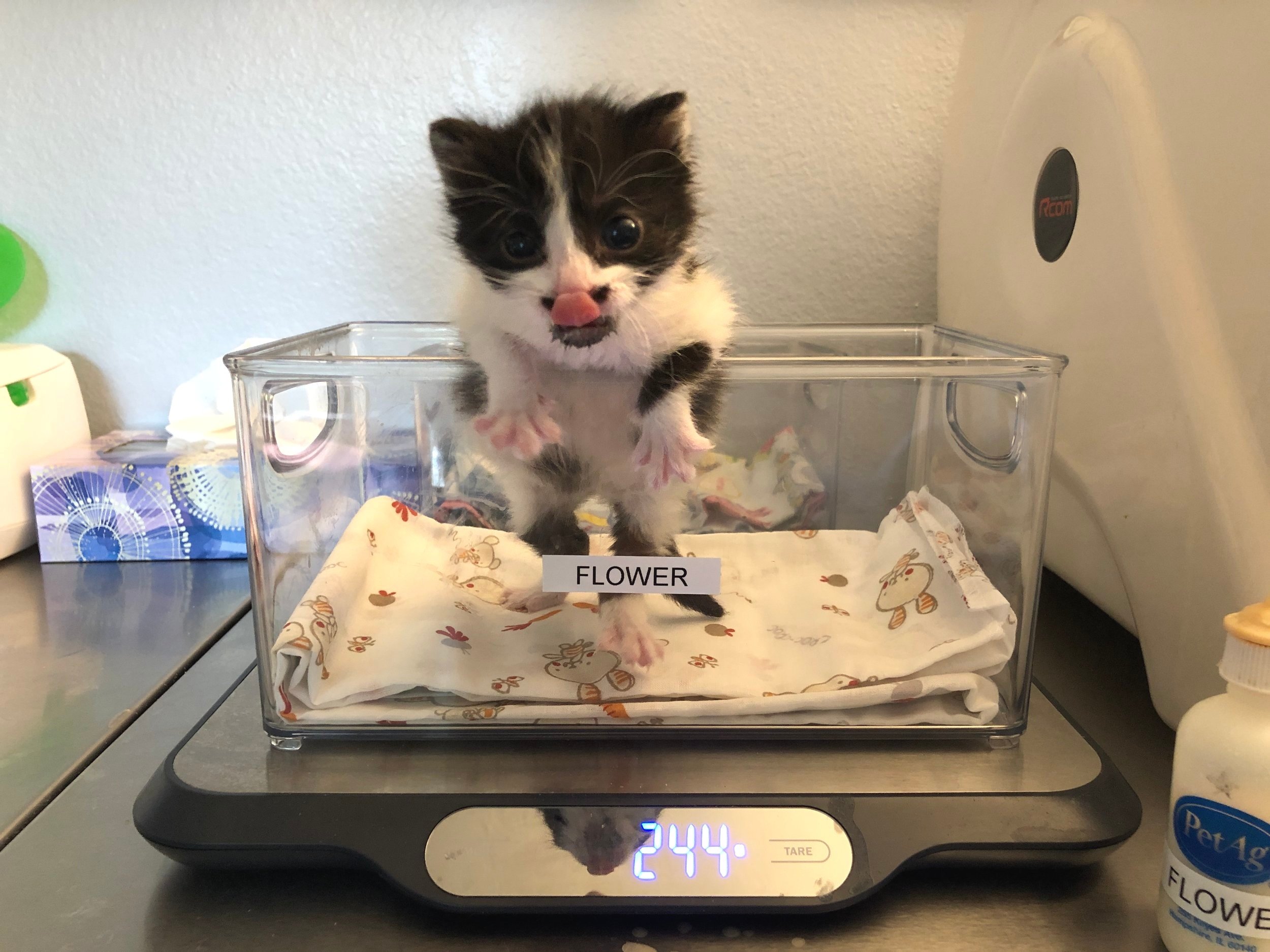
Monitoring is the only way to know if your plan is working. You should weigh your kitten using a digital kitchen scale at the same time every day. Tracking this data helps you see trends rather than just guessing. A steady gain of about 10 to 15 grams per day is usually a great sign. If the weight plateaus or drops, it is time to contact your vet to adjust the caloric density of their meals.
Remember that while you want your kitten to gain weight safely, rapid weight gain can also put unnecessary strain on their developing bones and organs. Patience is your best tool. Celebrate the small wins, like a bit of extra energy during playtime or a slightly fuller coat. If you follow these steps, you will see your kitten grow into a healthy, vibrant cat.

Frequently Asked Questions of How to make a kitten gain weight safely
Can I give my kitten human baby food to help them gain weight?
While some plain meat-based baby food is sometimes used as a temporary appetite stimulant, it is not nutritionally complete for a growing kitten. It lacks the essential taurine and calcium kittens need, so use it sparingly and only under veterinary guidance.
How much should a healthy kitten eat per day?
A healthy kitten typically needs about 50 to 60 calories per pound of body weight daily. Always check the packaging on your specific kitten food to calculate the exact caloric density for your pet.
Why is my kitten eating a lot but not gaining weight?
If your kitten is eating well but staying thin, they likely have intestinal parasites or a metabolic issue. A veterinarian needs to perform a fecal test to confirm if worms are the culprit preventing proper weight gain.
Should I use kitten supplements to help with weight gain?
Supplements should only be used if recommended by a veterinarian, as they can sometimes lead to nutrient imbalances. It is far safer to provide a high-quality kitten diet than to rely on vitamins or powders to fix a weight issue.
How do I know if my kitten is at a healthy weight?
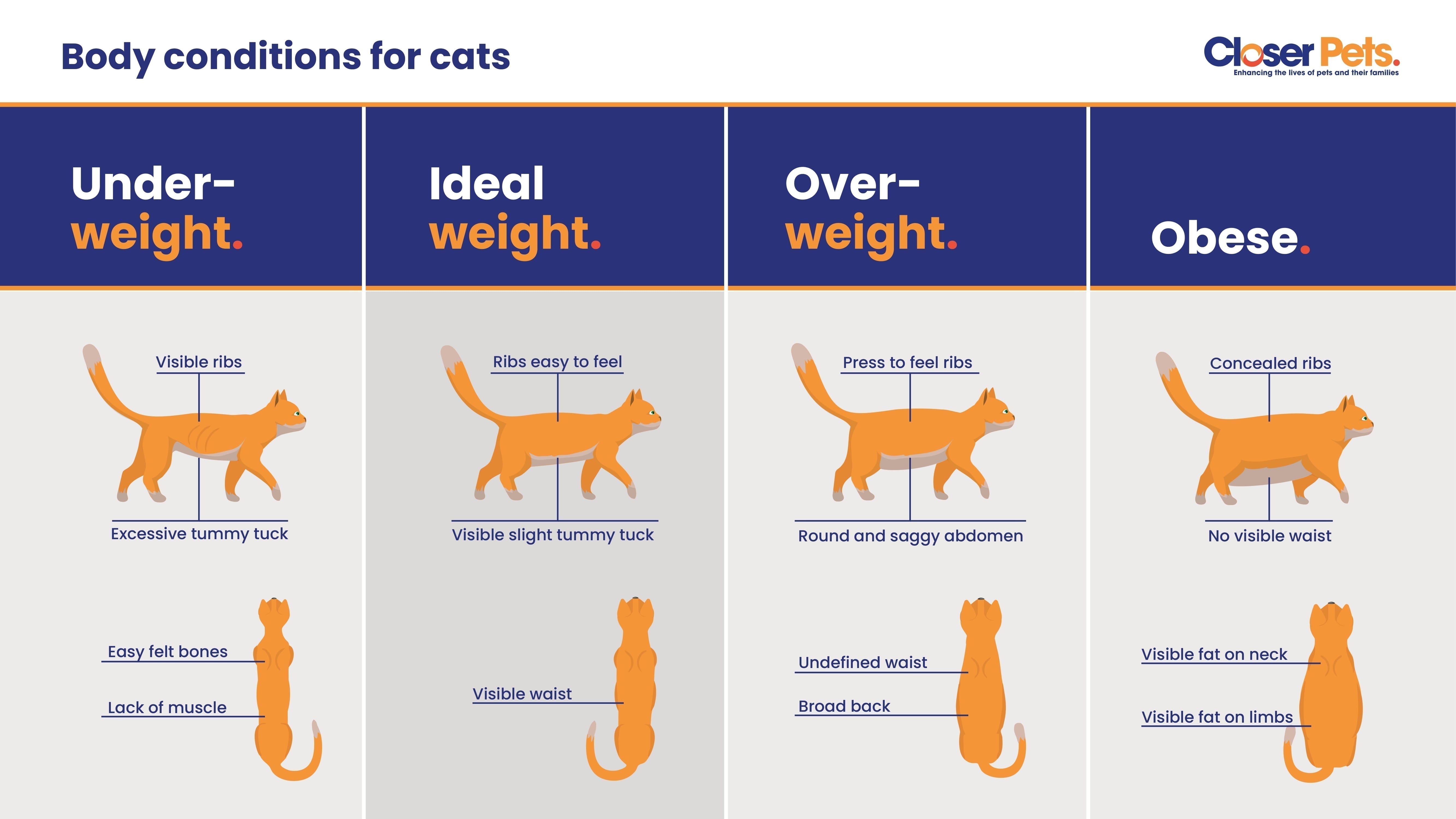
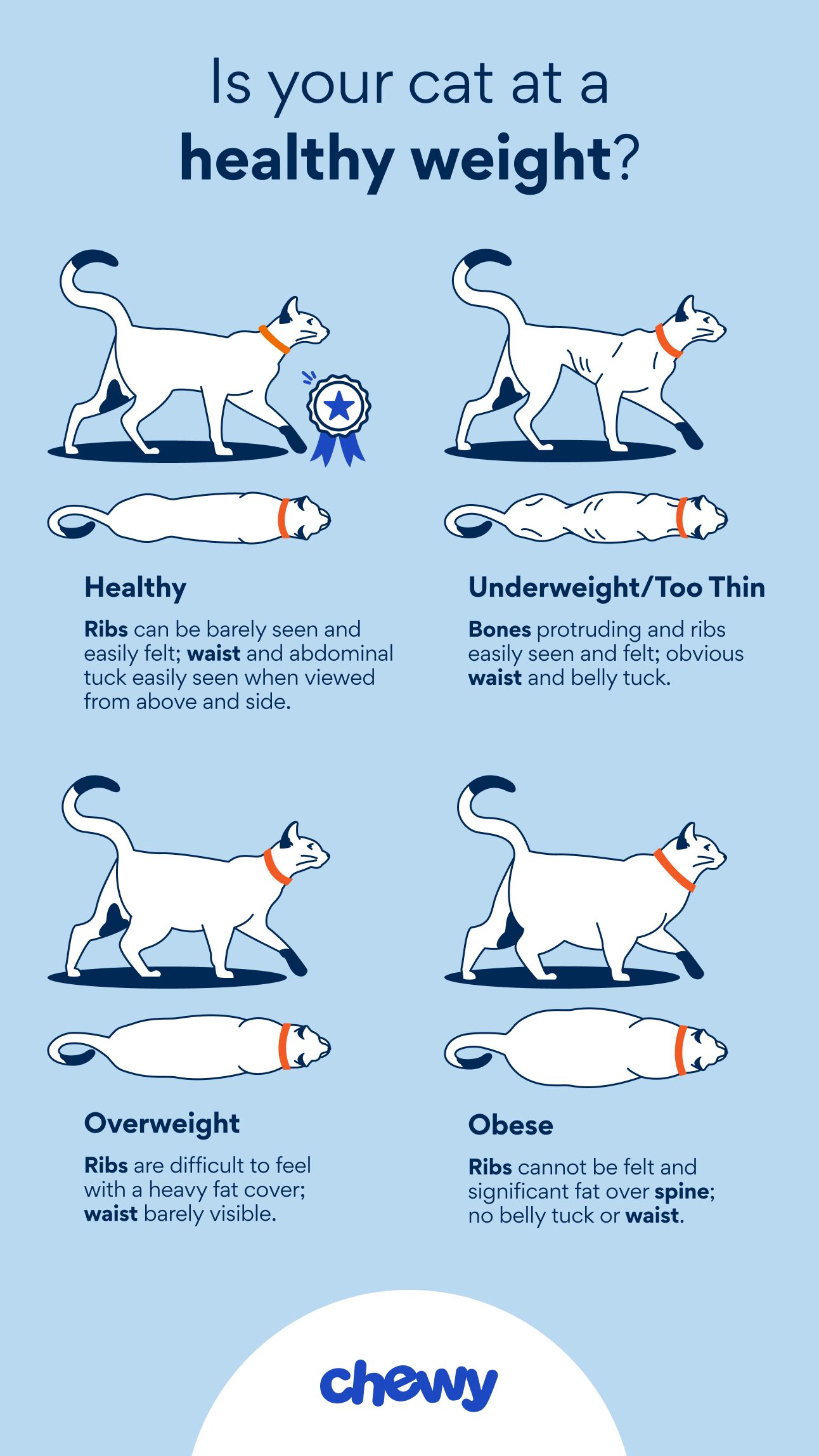
You should be able to feel their ribs without a thick layer of fat, but they should not be visible or prominent. Your vet can provide a body condition score, which is a professional way to measure if your kitten is at an ideal size.
Conclusion
Helping a kitten gain weight safely is a journey that requires attentiveness, love, and the right nutritional strategy. By focusing on high-calorie kitten foods, frequent feedings, and consistent health monitoring, you are providing the best foundation for a long and happy life. Every gram of weight gained is a step toward a stronger, more resilient cat. Start by tracking your kitten's daily intake and consult your vet to ensure your plan is perfectly tailored to their needs. If you found these tips helpful, consider sharing your progress with a local rescue or reaching out to your vet for more specific guidance on your kitten's unique growth journey.
