
Keeping a tiny kitten warm is one of the most important things you can do to help it thrive, especially when you don’t have a heating pad on hand. If you’re caring for a newborn or orphaned kitten, you might be wondering how to create a cozy, safe environment without the usual electric options.
You want to provide warmth that’s gentle, reliable, and easy to manage—because too cold or too hot can be dangerous. You’ll discover simple, effective ways to keep your kitten snug and comfortable using things you probably already have at home.
Read on to learn how to protect your little furball from the cold and give it the care it truly needs.
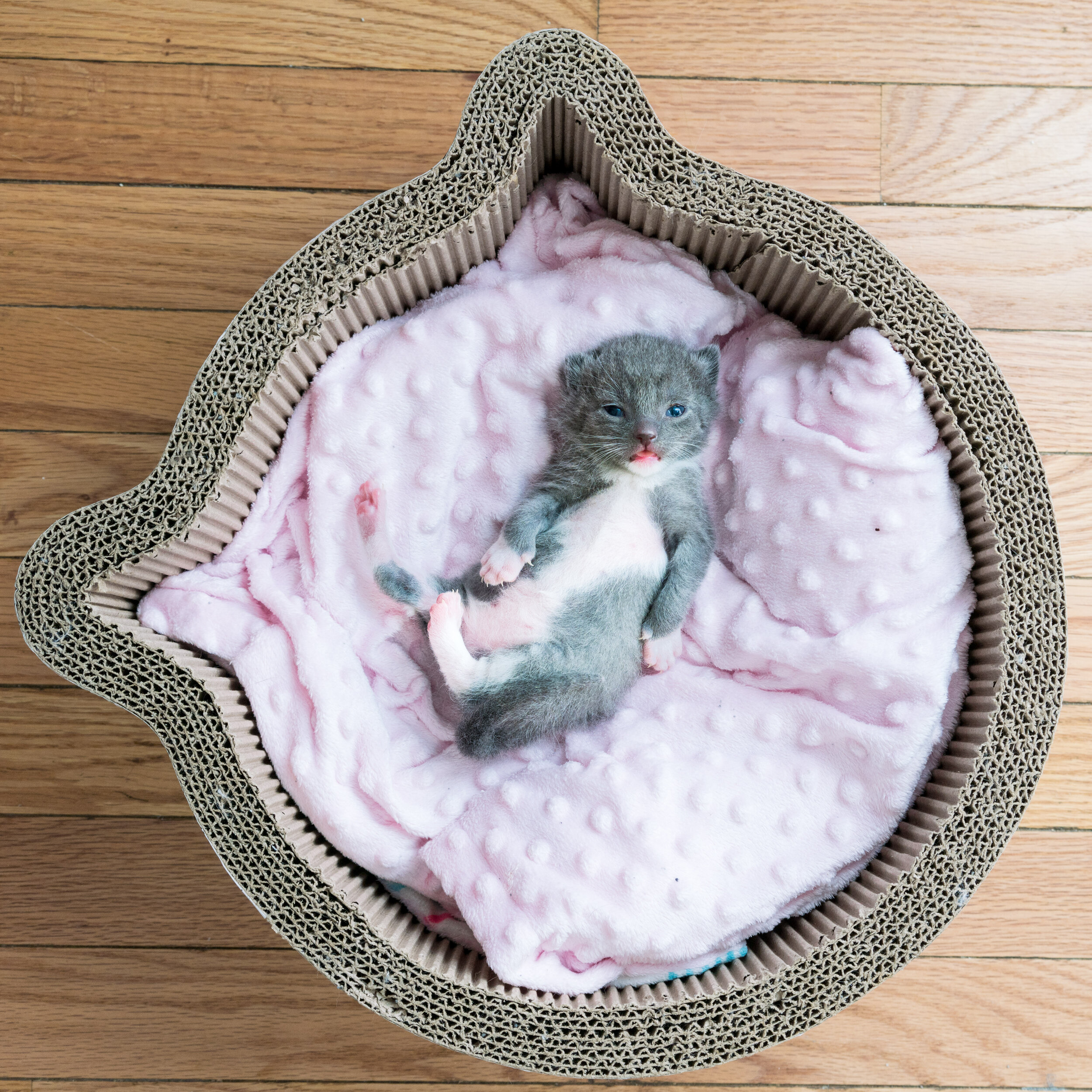
Credit: www.kittenlady.org
Safe Warmth Alternatives
Keeping a kitten warm is essential for its health and comfort. Heating pads are common but not always available or safe. Many safe warmth alternatives exist that can protect kittens from cold. These methods use simple items and natural heat sources. Each option offers gentle, steady warmth without risking burns or overheating.
Use these safe warmth alternatives to create a cozy environment. Always monitor the kitten’s temperature and comfort. Ensure the heat source is never too hot and that the kitten can move away if needed.
Using Body Heat
Your own body heat is a natural and effective way to warm a kitten. Hold the kitten close against your chest, wrapped in a soft cloth. Your warmth will help regulate the kitten’s temperature gently. This method also provides comfort and bonding time. Avoid holding for too long without breaks to prevent overheating.
Hot Water Bottles
Fill a hot water bottle with warm water, not boiling. Wrap it in a towel or fleece to avoid direct contact. Place the bottle inside the kitten’s bedding area to provide steady warmth. Check the temperature often and refill with warm water as it cools. This method is simple and safe when used carefully.
Microwaved Rice Socks
Fill a clean sock with uncooked rice and tie the end securely. Heat the sock in the microwave for 20 to 30 seconds. Wrap it in a towel before placing it near the kitten’s nest. The rice sock releases gentle warmth for a long time. Replace or reheat it as needed to keep the kitten cozy.
Creating A Cozy Nest
Creating a cozy nest is key to keeping a kitten warm without a heating pad. A snug space traps body heat and offers comfort. It helps the kitten feel safe and calm. Use soft materials and protect the kitten from cold drafts. A warm nest can make a big difference in their health.
Choosing The Right Bedding
Select soft, warm bedding that holds heat well. Fleece and wool work great because they keep warmth close. Avoid materials that trap moisture or are too thin. Layer bedding for extra insulation. Clean bedding often to keep the nest fresh and dry.
Draft-free Shelter Setup
Place the kitten’s nest in a quiet, low-traffic area. Keep it away from windows, doors, and vents. Use a small box or pet carrier to block drafts. Seal gaps with towels or blankets to stop cold air. A draft-free space keeps the warmth inside the nest.
Insulated Blanket Forts
Build a little fort using thick blankets or towels. Use a sturdy cardboard box or laundry basket as the base. Line it with soft bedding and cover the top loosely to trap heat. This setup creates a warm, safe hideout. Make sure the kitten can easily enter and exit.
Temperature Tips
Keeping a kitten warm is crucial for its health and growth. Without a heating pad, understanding proper temperature control helps prevent chills or overheating. Use simple methods to maintain safe and steady warmth for your kitten.
Ideal Warmth Levels
Newborn kittens need temperatures around 85°F to 90°F in their first week. Gradually lower the temperature to about 80°F by the fourth week. Avoid sudden temperature changes. Keep the environment cozy but not hot.
Signs A Kitten Is Too Cold
A cold kitten may shiver or curl tightly to save heat. Its body might feel cool to the touch, especially on the belly and paws. The kitten can become weak or less active. Watch for pale or bluish gums as a warning sign.
When To Stop Supplemental Warming
Stop extra warming when the kitten starts moving away from heat sources. Kittens usually self-regulate once they reach four weeks old. At this stage, they can control their body temperature better. Always offer a cooler spot in the bedding to allow choice.

Credit: www.wikihow.com
Handling And Safety
Handling and safety are crucial when keeping a kitten warm without a heating pad. Kittens are delicate and can easily get hurt if not cared for properly. Gentle handling and attention to their body temperature can make a big difference in their health.
Avoiding Overheating
Overheating is dangerous for kittens. Keep the heat source warm, not hot. Check the kitten’s skin often. If they feel too warm or restless, remove the heat source. Always leave space for the kitten to move away from the heat if needed.
Safe Heating Object Wrapping
Wrap any warm object, like a hot water bottle, in a thick towel or fleece. This prevents direct contact that could burn the kitten’s skin. Change or rewrap the covering often to keep it dry and clean. Use soft materials to keep the kitten comfortable and safe.
Never Feeding Cold Kittens
Do not feed kittens when they are cold. Cold kittens cannot digest food properly. Warm the kitten’s body first before offering milk or formula. Feeding a cold kitten can cause serious health problems. Always ensure their body temperature is stable before feeding.
Additional Care Advice
Additional care plays a vital role in keeping a kitten warm without a heating pad. Warmth alone does not ensure a kitten’s well-being. You must watch their health and meet their special needs carefully. This section covers key advice to help your kitten thrive.
Monitoring Kitten Health
Check the kitten’s temperature regularly with a gentle touch. Feel their ears, paws, and belly for warmth. Look for signs of cold stress, such as shivering or weakness. Watch for changes in breathing or behavior. Keep a close eye on their feeding habits and weight gain. Early detection of problems leads to faster help and better outcomes.
Supporting Neonatal Needs
Newborn kittens cannot control their body temperature well. They need frequent feeding with kitten formula. Avoid giving cow’s milk as it can upset their stomach. Keep their bedding clean and dry at all times. Gently stimulate the kitten to urinate and defecate after feeding. This mimics the mother cat’s care and helps prevent illness.
Resources For Foster Caregivers
Look for local animal shelters or rescue groups offering kitten care advice. Online forums and social media groups provide support and tips from experienced caregivers. Use trusted websites for detailed guides on kitten health and warmth. Keep emergency veterinary contacts handy. Good resources make fostering easier and safer for your kitten.
Credit: beachpets.com
Frequently Asked Questions
What Can I Use To Keep Kittens Warm?
Use a hot water bottle wrapped in a towel, thick fleece blankets, or your own body heat to keep kittens warm safely.
At What Age Does A Kitten No Longer Need A Heating Pad?
Kittens usually stop needing a heating pad at 4 weeks old. By then, they can regulate their body temperature.
How Do I Tell If My Kitten Is Too Cold?
A kitten feels too cold if its ears, paws, or tail feel chilly and it shivers. It may become lethargic or cry more.
How Warm Do Kittens Need To Be At Night?
Kittens need to stay between 85°F and 90°F at night during their first week. Gradually lower to 80°F by week three. Ensure a warm, draft-free environment with safe heat sources.
Conclusion
Keeping a kitten warm without a heating pad is simple and safe. Use soft blankets, warm water bottles, or your own body heat. Always create a cozy, draft-free space for the kitten to rest. Check the warmth often to avoid overheating or chilling.
Gentle care helps the kitten stay comfortable and healthy. Small steps make a big difference in their early days. Stay patient and attentive to their needs for best results.
