
To care for a weak newborn kitten, keep them warm, provide specialized hydration, and seek immediate veterinary attention.
Watching a fragile kitten struggle is one of the most heart-wrenching experiences a rescuer can face. I remember my first encounter with a fading kitten; he was tiny, cold, and barely moving. That experience taught me that in the first few weeks of life, a kitten’s health can shift in mere hours. Learning how to care for a weak newborn kitten requires a blend of vigilance, scientific understanding, and quick action. This guide will walk you through the essential steps to stabilize these little lives and give them the best fighting chance at survival.

Establishing the Right Environment for a Weak Kitten
The most critical factor when you learn how to care for a weak newborn kitten is temperature regulation. A weak kitten often loses the ability to maintain its own body heat, which is a leading cause of fading kitten syndrome. If a kitten feels cold to the touch, their metabolism slows down, and their organs begin to shut down.
- Use a heating pad set on low and covered with a thick towel to provide a gentle, consistent heat source.
- Ensure there is enough space in the bedding for the kitten to crawl away from the heat if they become too warm.
- Monitor the ambient room temperature, keeping it between 85 and 90 degrees Fahrenheit during the first week of life.
- Avoid using direct heat lamps, as they can lead to dehydration or overheating without your realization.
Hydration and Nutritional Support
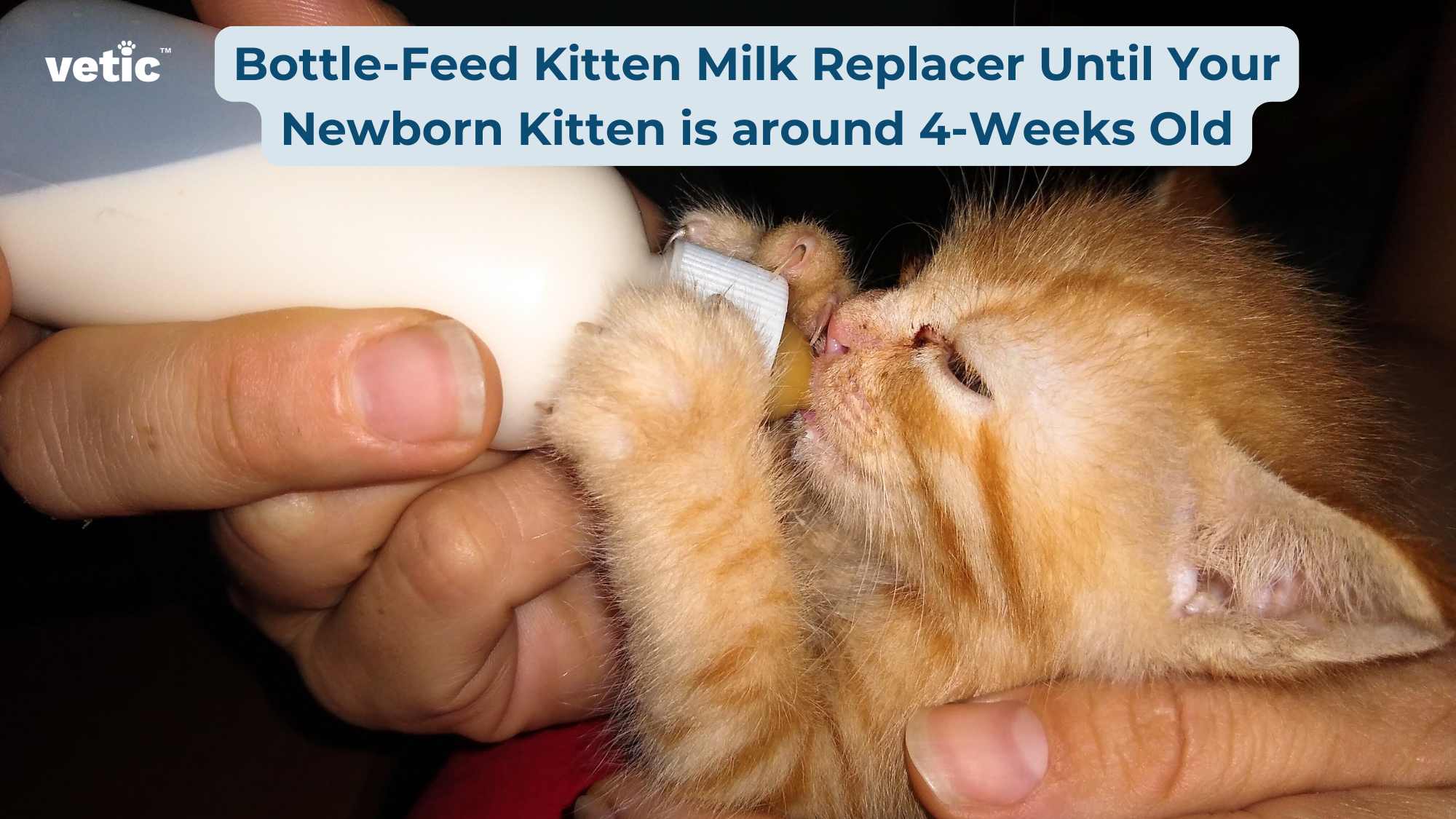
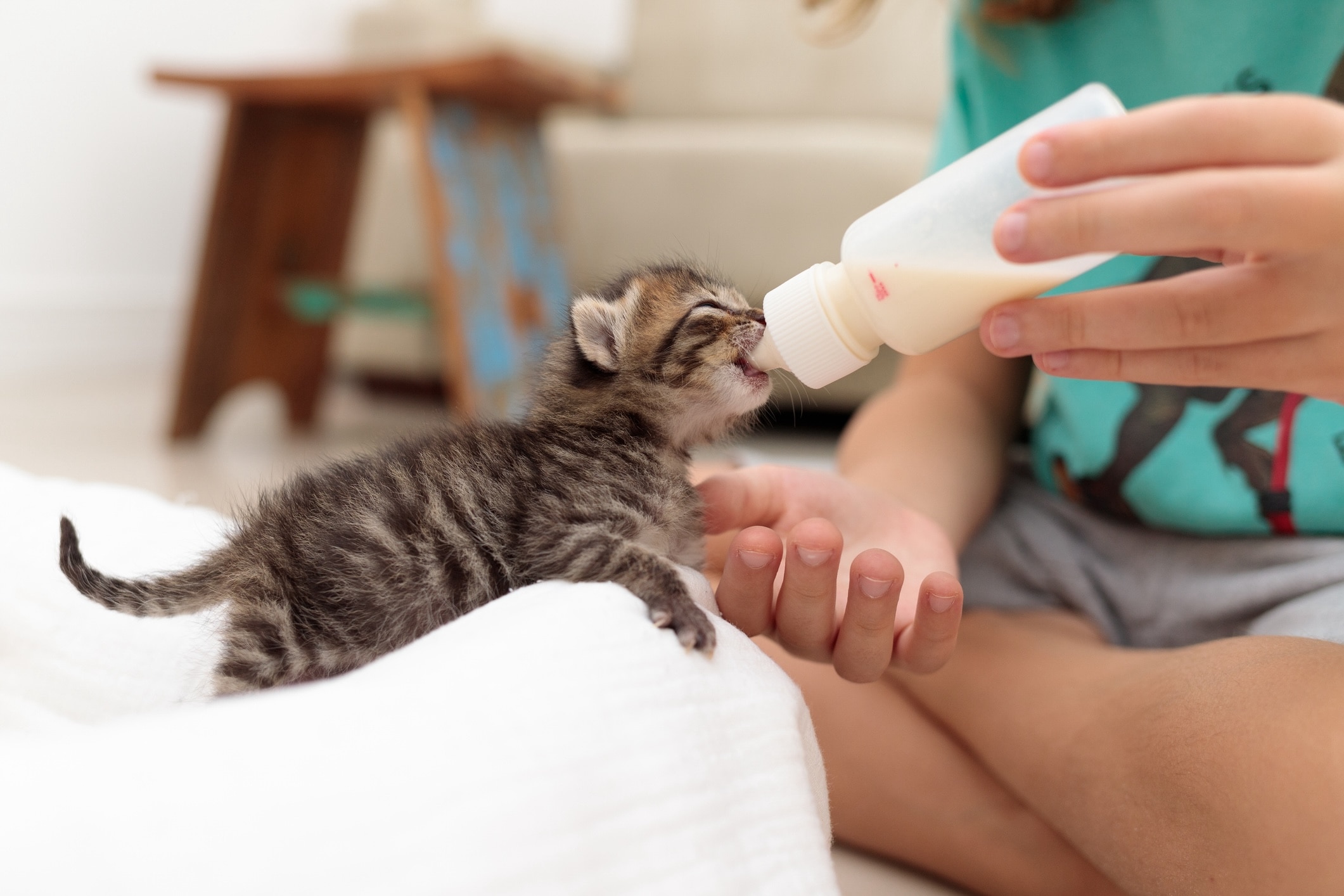
When determining how to care for a weak newborn kitten, nutrition and hydration are the next priorities. A kitten that is too weak to nurse will quickly become dehydrated, which is often fatal. Never try to force milk into a kitten's mouth if they are cold, as they cannot digest food until their body temperature is normalized.
- Check for dehydration by gently pinching the skin at the scruff; if it does not snap back immediately, the kitten needs fluids.
- Use a syringe with a tiny nipple or a specialized feeding tube if the kitten has no suckle reflex, but only under veterinary guidance.
- Offer a sugar solution or a specialized electrolyte supplement to provide an instant energy boost for a lethargic kitten.
- Maintain strict hygiene by sterilizing all feeding equipment after every single use to prevent bacterial infections.
Monitoring and Recognizing Warning Signs
Caring for a weak newborn kitten involves acting as their primary diagnostic tool. Because they cannot tell you what is wrong, you must pay attention to subtle behavioral shifts. Keeping a daily log of their weight, activity levels, and elimination habits will help you spot downward trends early.
- Weigh the kitten daily using a digital kitchen scale; any weight loss is a red flag that requires immediate intervention.
- Watch for signs of respiratory distress, such as open mouth breathing or wheezing, which could indicate pneumonia.
- Observe their gums; healthy gums should be pink, while pale or blue gums indicate anemia or oxygen deprivation.
- Ensure the kitten is eliminating properly, as constipation or urinary blockages can become life-threatening in hours.
:max_bytes(150000):strip_icc()/newborn-kitten-743740891-2000-317c459d133842308ab07289db990faa.jpg)
The Role of Veterinary Expertise
While your home care is vital, you must understand how to care for a weak newborn kitten by involving a professional veterinarian. Many issues like parasites, congenital defects, or bacterial infections cannot be cured at home. If you notice a sudden decline, do not wait until morning; seek emergency care immediately.
- Ask your vet for a kitten-safe probiotic to support their fragile gut health.
- Discuss deworming schedules, as parasites often drain the energy from weak, struggling kittens.
- Seek advice on blood glucose testing if the kitten is persistently lethargic despite adequate heat and feeding.
- Trust your instincts; if you feel something is wrong, you are likely correct.

Frequently Asked Questions of How to care for a weak newborn kitten
How do I warm up a cold, weak kitten safely?
Place the kitten on a low-heat heating pad wrapped in a towel, and warm them gradually over an hour. Never rub the kitten vigorously, as this can cause further stress to their fragile system.
Can I feed a weak kitten cow milk?
Never feed cow milk to a kitten, as it lacks the essential nutrients and causes severe diarrhea. Always use a commercial kitten milk replacer specifically formulated for their delicate digestive needs.
How often should a weak newborn kitten be fed?
Weak kittens require small, frequent meals every two to three hours around the clock to maintain blood sugar. Consistent, round-the-clock feedings are essential to prevent the kitten from becoming dangerously hypoglycemic.
What causes a kitten to be weak at birth?
Weakness can be caused by low birth weight, maternal illness, infection, or environmental stress. Often, the cause is multifactorial, requiring a combination of medical treatment and intensive nursing care to survive.
When should I stop worrying about a weak kitten?
You should remain cautious until the kitten is consistently gaining weight, is alert, and is moving around comfortably. Regular weight gains and a strong suckle reflex are excellent indicators that the kitten is turning the corner.
Conclusion
Caring for a fragile kitten is a demanding yet deeply rewarding journey that tests your patience and dedication. By focusing on thermal support, precise hydration, and consistent medical observation, you provide the foundation for their survival. Remember that every gram of weight gained is a victory in your efforts to learn how to care for a weak newborn kitten. If you are currently nursing a little one, stay consistent and keep close contact with your vet. For more tips on feline health or to share your success stories, subscribe to our newsletter or leave a comment below to join our community of animal advocates.
