
To help a stressed cat at home, provide a predictable routine, create safe vertical hiding spots, and use calming pheromone diffusers.
I have spent over a decade working with rescue animals, and one of the most common issues owners face is feline anxiety. Cats are creatures of habit who find comfort in predictability, so even minor changes in your household can trigger significant distress. Understanding how to help a stressed cat at home requires patience, observation, and a willingness to see the world from your pet’s perspective. Throughout my time fostering nervous rescues, I have learned that the key to feline happiness is restoring their sense of control. This guide will walk you through practical strategies to soothe your companion and transform your living space into a sanctuary of calm.
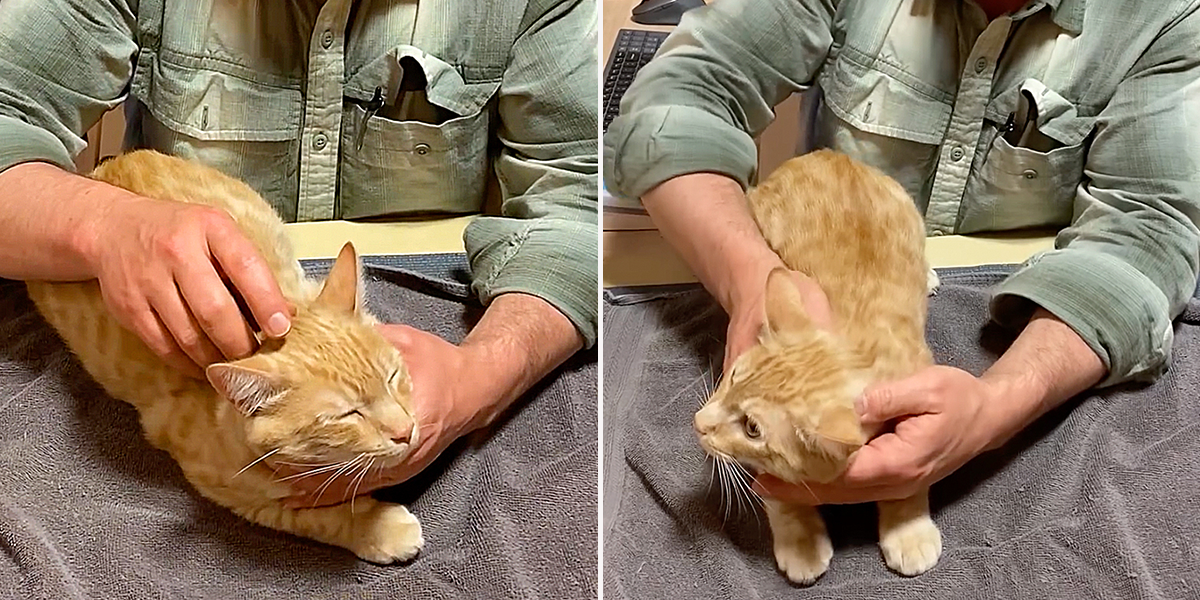
Identifying Signs of Feline Stress
Before you can assist your pet, you must recognize the subtle language they use to express discomfort. Cats rarely complain vocally about stress; instead, they alter their behavior in ways that might seem like simple personality shifts. If you notice your cat hiding more frequently, avoiding the litter box, or over-grooming to the point of bald patches, these are clear indicators that they are struggling.
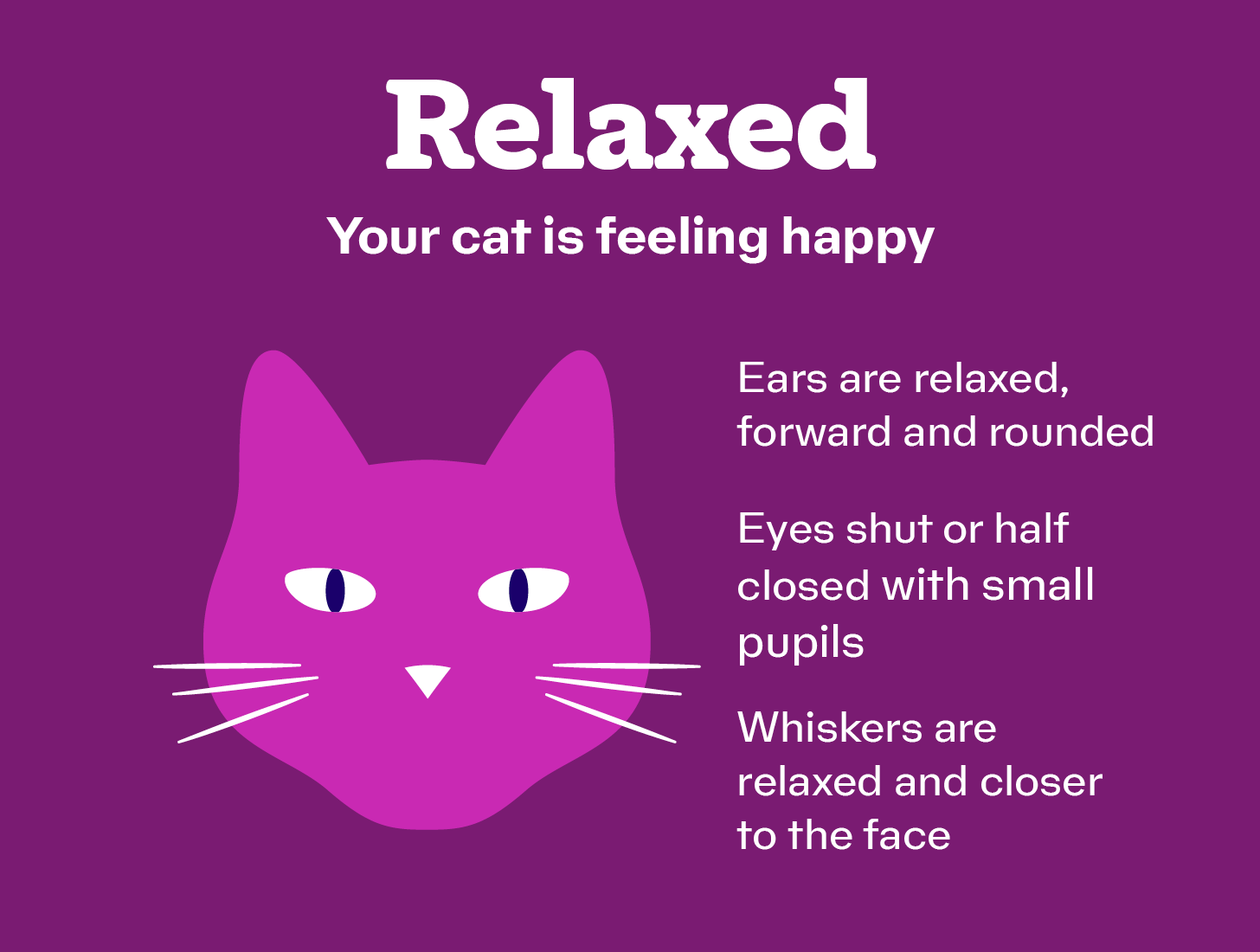
In my experience, many owners mistake these warning signs for behavioral problems or spite. However, when you know how to help a stressed cat at home, you start to see these actions as calls for help. Watch for physical changes like flattened ears, dilated pupils, or a sudden lack of interest in play. By acting early, you can often prevent chronic anxiety from developing into more serious physical ailments.
Source: org.uk
Creating a Secure Environment
Your home is a massive landscape for a cat, and if they do not feel safe in every corner, their stress levels will remain high. You can significantly improve their confidence by providing vertical territory. Cats feel secure when they can observe their environment from a high vantage point, such as a cat tree, a sturdy shelf, or even a cleared space on top of a bookshelf.
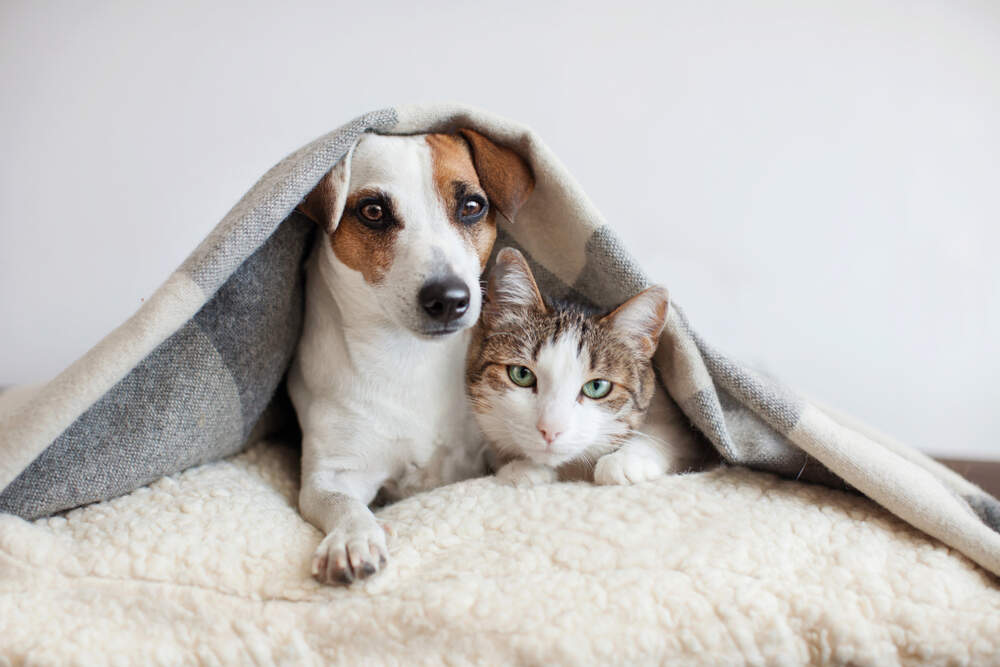
Beyond height, every cat needs a designated quiet zone where they can retreat undisturbed. When I foster stressed cats, I always set up a small room with a cozy bed and a cardboard box. Giving your pet a predictable “fort” where they know they will never be bothered is the most effective way to help a stressed cat at home. Ensure this space is away from high-traffic areas like busy hallways or loud laundry rooms.
Source: comfortzone.com
The Power of Routine and Enrichment
A chaotic household often leads to a stressed feline. Cats thrive on a consistent schedule for feeding, play, and interaction. If you are wondering how to help a stressed cat at home, start by setting a rigid daily timeline. Feed them at the same time each day, as this predictability reduces the anxiety of the unknown.
Enrichment is equally vital for mental health. Boredom often masks itself as stress, leading to destructive scratching or pacing. Engage your cat with interactive play sessions using wand toys or puzzle feeders that mimic hunting behaviors. This physical exercise drains excess nervous energy and allows your cat to express their natural instincts in a constructive, controlled manner.
Source: pethealthnetwork.com
Using Pheromones and Calming Aids
Science has provided us with remarkable tools to help a stressed cat at home. Synthetic feline facial pheromones, which come in diffusers or sprays, mimic the natural scents cats use to mark their territory as safe. When I introduced these into my home during a move, the transition period for my own cats was remarkably shorter.
These tools are not a magic fix, but they serve as a powerful supplement to environmental changes. If your cat is extremely anxious, consult your veterinarian about specialized diets or natural calming supplements. Always approach these options with caution and prioritize professional medical advice to ensure the safety and well-being of your feline friend.
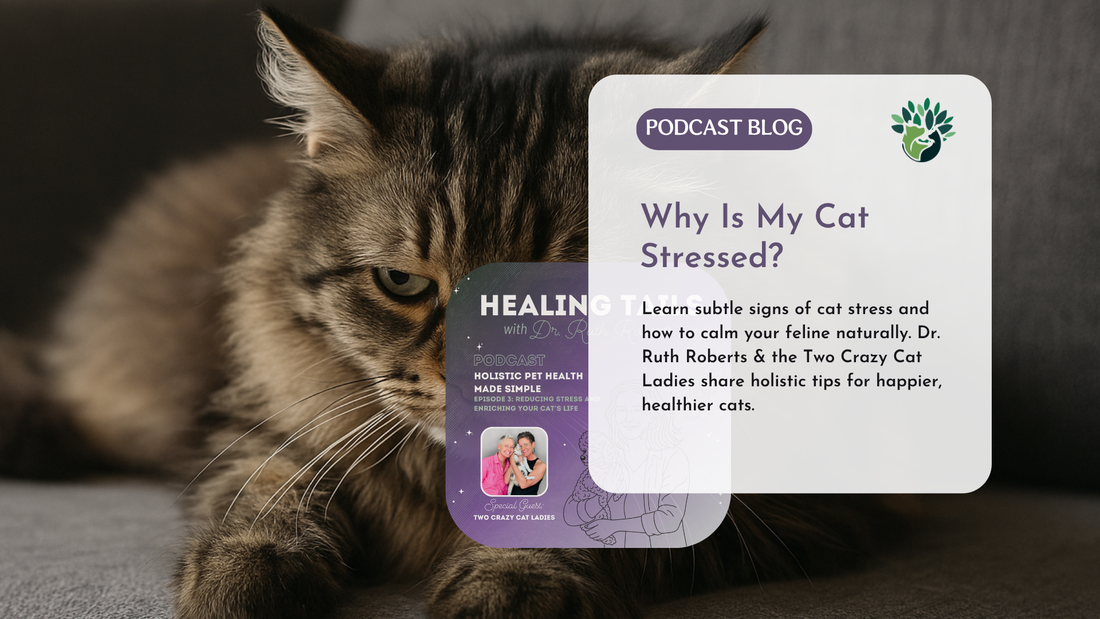
Source: drruthroberts.com
Frequently Asked Questions of How to help a stressed cat at home
How long does it take to calm a stressed cat?
The timeline varies depending on the cause of the stress, but most cats show improvement within two to four weeks of consistent care. Patience is essential, as forcing a faster timeline often increases their anxiety levels.
Can changing my perfume or cleaning products stress my cat?
Yes, cats have an incredibly sensitive sense of smell, and strong chemical odors can be overwhelming for them. Try to use unscented cleaning supplies and avoid wearing strong perfumes around a sensitive or anxious cat.
Why is my cat suddenly urinating outside the litter box?
This is a classic sign of stress or a medical issue, and it is the cat’s way of marking territory to feel more secure. Always visit a vet first to rule out a urinary tract infection before assuming it is purely behavioral.
Is it better to leave a stressed cat alone?
While they need their space to hide, you should still check on them quietly to ensure they are eating and drinking. Ignoring a stressed cat entirely can prevent you from noticing if they become ill, so offer quiet presence without forcing interaction.
Does music help a stressed cat at home?
Studies suggest that specially composed feline music, which mimics the frequency of purring and nursing sounds, can lower a cat’s heart rate. Classical music or soft instrumental tracks are also excellent choices for creating a soothing atmosphere.
Conclusion
Helping a stressed cat at home is a journey that requires empathy and careful observation. By creating a stable environment, offering vertical hiding spots, maintaining a strict routine, and utilizing calming aids, you provide your cat with the security they need to flourish. Every small change you make, from adding a cat tree to keeping a consistent feeding schedule, builds trust and strengthens your bond. Your commitment to understanding their needs is the greatest gift you can provide. Start implementing these changes today to see a happier, more relaxed cat, and feel free to reach out or share your own success stories in the comments section below.
