
To keep indoor cats healthy, you must provide a balanced diet, consistent exercise, mental stimulation, and regular veterinary checkups.
Living with an indoor cat is a rewarding experience that offers a unique bond, but it also places the full responsibility of your feline’s wellness in your hands. After years of caring for my own rescue cats, I have learned that indoor life is safe but can lead to lethargy or weight gain if you are not proactive. I have navigated the challenges of picky eaters and bored kittens, and I want to share how to keep indoor cats healthy through simple, daily habits. By focusing on nutrition, environment, and medical care, you can ensure your companion thrives for years to come. Let us explore the pillars of a vibrant feline life.
Prioritizing Nutrition for Longevity
What you put in the bowl is the foundation of how to keep indoor cats healthy. Cats are obligate carnivores, meaning they require high protein levels and specific nutrients like taurine found in animal tissues. I have found that balancing high-quality wet food with dry kibble helps manage weight while ensuring proper hydration.
- Choose premium commercial cat food that lists a high-quality protein source as the first ingredient.
- Avoid overfeeding by measuring portions according to your cat’s weight and activity level rather than leaving food out all day.
- Monitor your cat’s weight regularly because indoor cats are prone to obesity, which can lead to diabetes.
- Ensure fresh, clean water is always available in multiple locations throughout your home to encourage drinking.

Source: pasadosafehaven.org
Creating an Enriching Indoor Environment
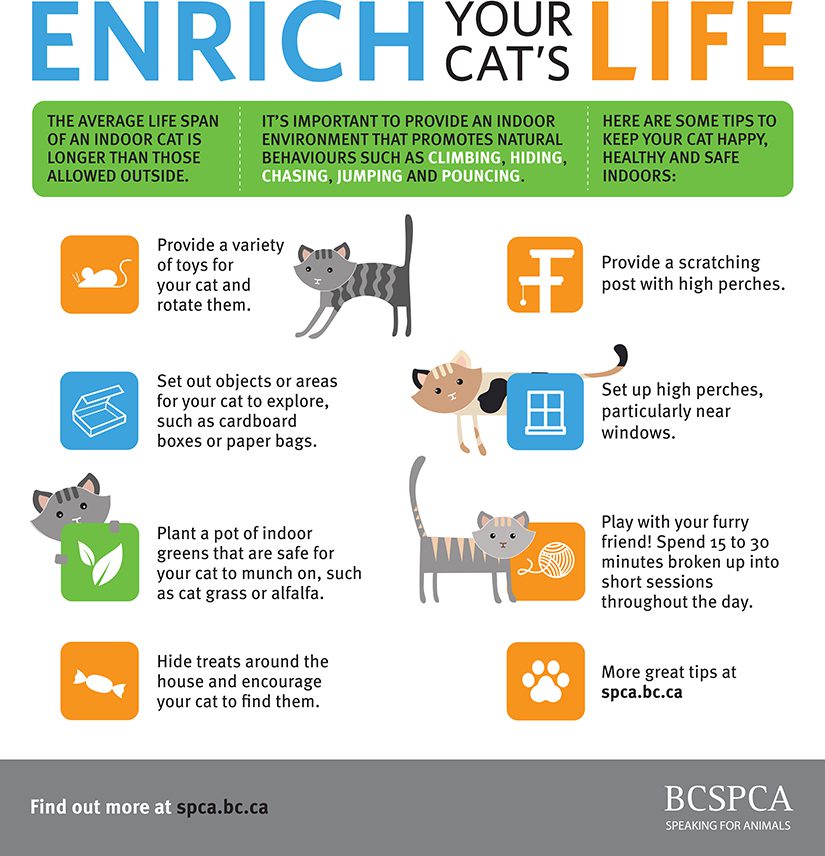
A bored cat is often an unhappy cat, which can manifest in behavioral issues like scratching furniture or excessive meowing. When learning how to keep indoor cats healthy, you must think about their instinctual need to hunt, climb, and hide. I recommend rotating your cat’s toys every few weeks to keep their curiosity piqued.
- Install vertical spaces such as cat trees or shelves to give your pet a bird’s eye view of their territory.
- Provide interactive play sessions for at least 15 minutes twice a day using wand toys to mimic prey movement.
- Use food puzzles to turn mealtime into a mental challenge that satisfies their natural urge to scavenge.
- Ensure your home includes quiet, secluded areas where your cat can retreat when they feel overstimulated.

Source: petsbest.com
Maintaining Preventative Veterinary Care
Even indoor cats need regular trips to the vet. Many owners assume that because their cat does not go outside, they are immune to parasites or diseases, but this is a common myth. To truly understand how to keep indoor cats healthy, you must commit to annual wellness exams and stay updated on necessary vaccinations.
- Schedule yearly wellness checkups to catch potential health issues like dental disease or kidney issues early.
- Keep up with routine parasite prevention, as insects like fleas can easily hitch a ride indoors on your clothing.
- Maintain a clean litter box, as changes in bathroom habits are often the first sign of a health problem.
- Pay attention to your cat’s grooming; if they stop cleaning themselves, it may signal an underlying physical or emotional issue.
Source: net.au
Frequently Asked Questions of How to keep indoor cats healthy
How often should I groom my indoor cat?
You should brush your cat at least once or twice a week to remove loose fur and prevent hairballs. This routine also allows you to check for lumps, bumps, or parasites on their skin.
Why is my indoor cat acting lethargic?
Lethargy can result from boredom, weight gain, or underlying medical conditions like anemia or infections. If the lack of energy persists for more than 24 hours, you should schedule an appointment with your veterinarian.
How much exercise does an average indoor cat need?
An indoor cat needs roughly 20 to 30 minutes of physical activity daily to maintain a healthy weight. You can achieve this through short, frequent play sessions that get them running, jumping, and chasing.
Can indoor cats get fleas?
Yes, indoor cats can contract fleas if the parasites are carried inside on your shoes, clothing, or by other pets. Always maintain a consistent flea prevention routine recommended by your local vet.
How do I know if my cat is overweight?
You should be able to feel their ribs without pressing too hard, and there should be a visible waistline when viewed from above. If you cannot feel their ribs or notice a sagging belly, consult your vet for a weight management plan.
Conclusion
Keeping your indoor cat healthy involves a blend of nutritional awareness, an active home environment, and diligent medical supervision. By investing time into your cat’s daily play and monitoring their long-term health metrics, you ensure they live a full, happy life within your home. Start today by adding one new play session or checking your cat’s food labels to see if an upgrade is needed. Your dedication to these small habits will pay off with a vibrant, affectionate companion for years to come. Do you have a favorite tip for keeping your cat active or healthy? Share your experiences in the comments below or browse our archives for more feline wellness guides.
