
To know if a kitten has a fever, check for warm ears, lethargy, loss of appetite, and third eyelid visibility.
Watching a tiny kitten struggle with illness is heartbreaking, especially when they cannot tell you what is wrong. I have spent years fostering abandoned kittens, and I have learned that recognizing these subtle signs early is often the difference between a quick recovery and a serious emergency. Understanding how to know if a kitten has a fever requires a mix of keen observation and knowing exactly what your pet’s baseline behavior looks like. By learning these clinical signs and trusting your instincts as a pet parent, you can provide the timely care your little companion needs to thrive.
Clinical Signs and Symptoms of a Fever
Kittens possess a higher normal body temperature than humans, typically ranging between 100.5 and 102.5 degrees Fahrenheit. When a kitten has a fever, their body temperature rises above this threshold to fight off an infection or inflammation. Because cats are masters at masking pain, you must look for behavioral shifts rather than just physical warmth.
- Lethargy: A feverish kitten often loses interest in playing and spends most of the day sleeping or hiding in dark corners.
- Reduced appetite: If your kitten skips meals or eats significantly less than usual, it is a common indicator that their immune system is under stress.
- Visible third eyelid: You might notice a white or cloudy membrane covering part of the eye, which is a classic symptom of feline illness.
- Warmth in extremities: While not always accurate, feeling significantly hot ears, paws, or nose can indicate a fever.
- Rapid breathing: If the kitten is panting or breathing faster than normal while at rest, they may be struggling with an elevated temperature.

Source: carolinavet.com
How to Accurately Measure a Kitten’s Temperature
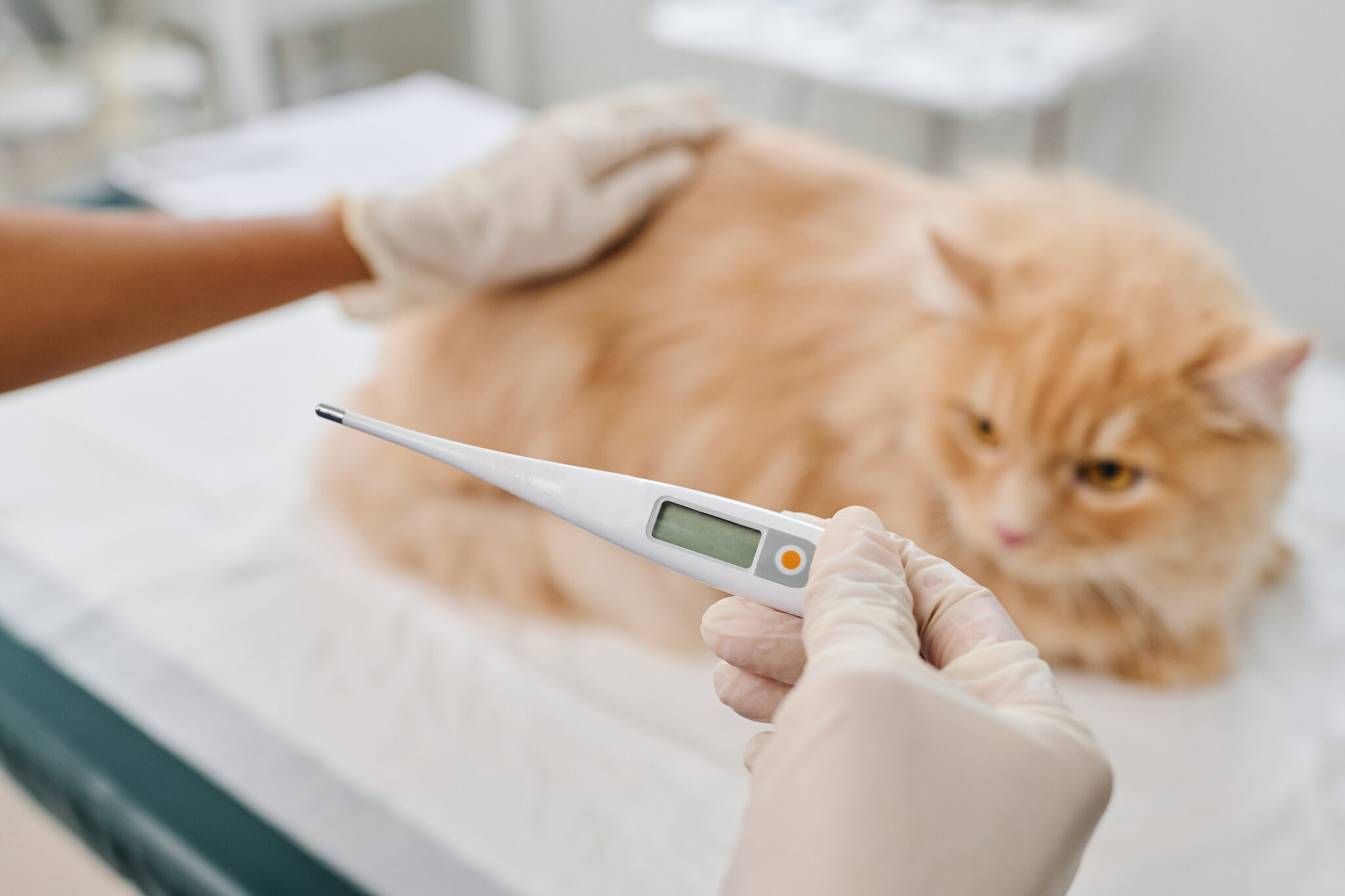
The only way to definitively know if a kitten has a fever is by using a digital rectal thermometer. Never attempt to use a glass mercury thermometer, as these pose a danger of breaking. If you suspect your kitten has a fever, handle them with extreme care to avoid causing unnecessary stress.
- Use a digital thermometer designed for pets.
- Apply a generous amount of water-based lubricant to the tip of the thermometer.
- Gently lift the tail and insert the tip only about half an inch into the rectum.
- Hold the kitten firmly but calmly until the device beeps, then record the reading.
- If the temperature reads 103.5 degrees Fahrenheit or higher, contact your veterinarian immediately for guidance.

Source: basmifipphilippines.com
Common Causes of Fever in Kittens
When I first started rescuing, I was surprised to learn that a fever is not an illness itself but a response to an underlying problem. Knowing the cause is essential for the treatment plan. My experience has shown that most cases stem from simple infections, though some require veterinary intervention.
- Viral infections: Common feline viruses like herpesvirus or calicivirus often trigger a fever as the body fights the pathogen.
- Bacterial infections: These can affect the respiratory system, urinary tract, or even result from an infected wound.
- Parasites: Severe flea infestations or internal parasites can occasionally lead to an inflammatory response and fever.
- Post-vaccination: It is not unusual for a kitten to have a mild, temporary fever shortly after receiving their routine shots.

Source: carolinavet.com
When to Seek Veterinary Care
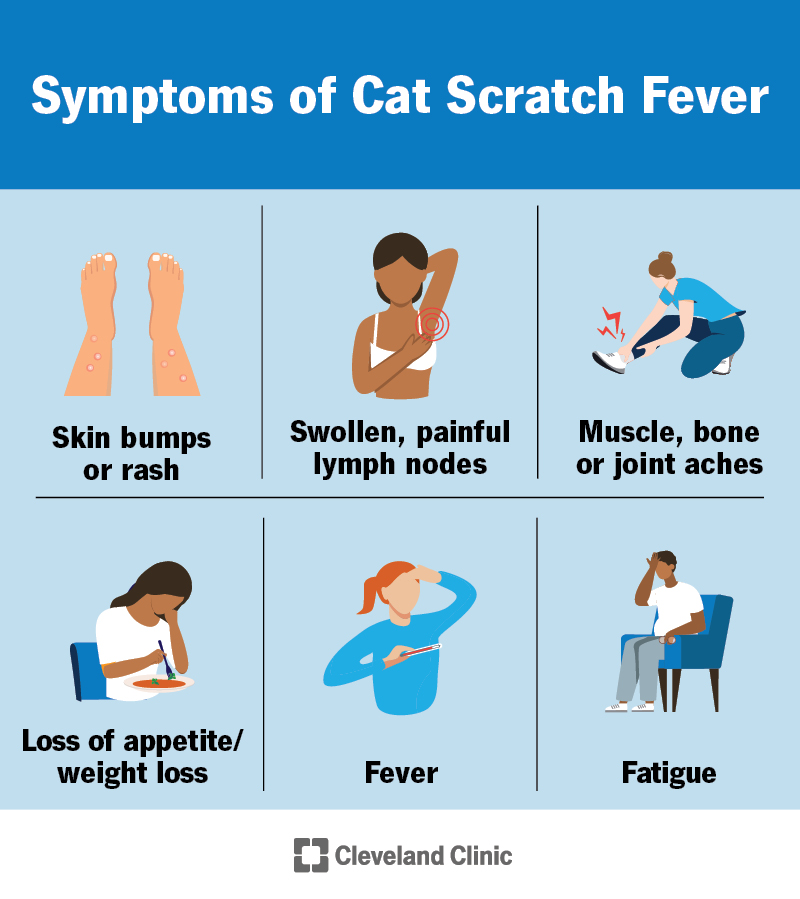
While some mild fevers may resolve on their own, kittens are delicate and their health can decline rapidly. Never try to treat a fever with human medication, as drugs like aspirin or Tylenol are toxic and potentially fatal to cats. Always seek professional help if the fever lasts longer than 24 hours or if the kitten shows signs of dehydration. If you notice vomiting, diarrhea, or extreme weakness, take the kitten to an emergency clinic immediately.
Source: clevelandclinic.org
Frequently Asked Questions of How to know if a kitten has a fever
Can I tell if my kitten has a fever by touching their nose?
While a hot, dry nose is a common myth, it is not a reliable way to know if a kitten has a fever. The only accurate method to confirm a fever is to use a digital rectal thermometer to check the actual core body temperature.
Is it normal for my kitten to feel warm after playing?
Yes, a kitten’s body temperature naturally rises during physical activity and play. To get an accurate reading of whether your kitten has a fever, check their temperature only after they have been resting calmly for at least 30 minutes.
What should I do if my kitten has a temperature of 104 degrees?
A temperature of 104 degrees or higher is considered a high fever and requires immediate veterinary attention. Contact your vet right away, as this could indicate a severe infection that needs prompt treatment to prevent complications.
Should I give my kitten a cold bath to lower their fever?
You should never give a kitten a cold bath to lower their temperature, as this can cause them to go into shock or develop hypothermia. If you are worried about their heat, focus on keeping them in a cool, quiet room and ensuring they stay hydrated.
How do I keep a feverish kitten hydrated?
If your kitten is lethargic and not eating or drinking, you can offer them small amounts of tuna water or a vet-approved electrolyte solution. Providing easy access to fresh water is crucial, but you must seek professional advice if they continue to refuse fluids.
Conclusion
Detecting a fever early is one of the most important skills you can develop as a responsible kitten owner. By monitoring for lethargy, loss of appetite, and physical warmth, you ensure that your little friend gets the help they need before a minor issue becomes a major health crisis. Remember that your veterinarian is your greatest ally, so never hesitate to call them if your instincts tell you something is wrong. Stay observant, keep your kitten hydrated and comfortable, and continue learning more about feline health to ensure a long, happy life for your companion. If you found this guide helpful, consider bookmarking this page or sharing it with other cat lovers to help keep their pets safe.
