
You should contact a veterinarian if your cat shows sudden changes in behavior, eating habits, litter box usage, or energy.
As a long-time cat owner, I have learned that our feline companions are masters at hiding pain. In the wild, showing weakness makes them vulnerable, so they often act as if everything is normal even when they are struggling. Learning how to know when your cat needs a vet is a vital skill that every pet parent must develop. By understanding subtle shifts in your cat’s routine, you can catch health issues early when they are most treatable. This guide will help you recognize the signs that require professional medical attention so you can keep your purring friend healthy for years to come.
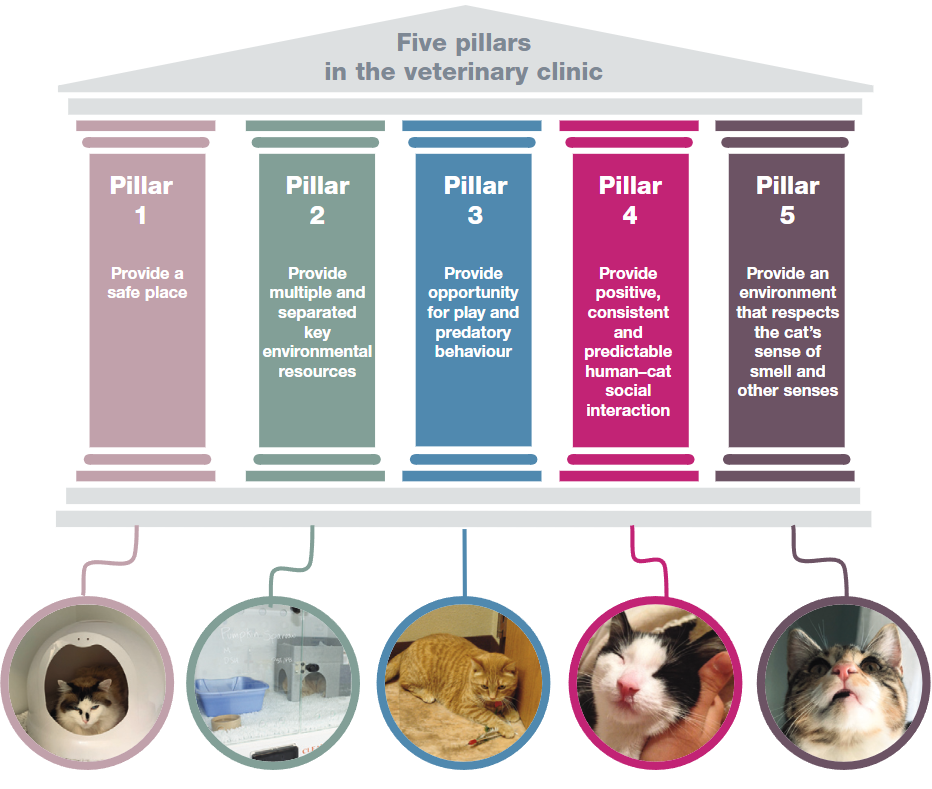
Identifying Subtle Red Flags
Cats are creatures of habit. When they deviate from their typical schedule, it is rarely just a phase. I once noticed my cat, Luna, spending a little extra time in the litter box without producing results. Because I knew that abnormal litter box behavior can be a sign of a urinary blockage, a life-threatening condition, I rushed her to the clinic immediately. That quick action saved her life. You should always watch for these subtle changes in behavior:
- Social withdrawal: If your typically affectionate cat suddenly hides under the bed or avoids human interaction, they may be masking pain or illness.
- Vocalization changes: Excessive meowing or unusual silence can indicate distress or discomfort that needs investigation.
- Grooming habits: A cat that stops grooming or starts over-grooming a specific area is often dealing with stress, allergies, or physical pain.
- Energy levels: A sudden drop in activity, especially in senior cats, is a common indicator of underlying health struggles.

Source: lagunabeachvet.com
Digestive and Appetite Changes
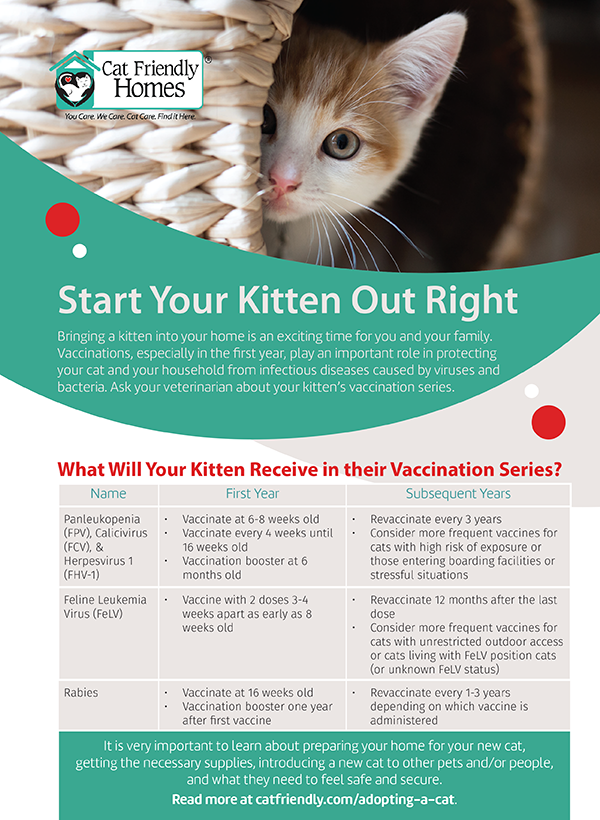
Your cat’s relationship with food provides a clear window into their internal health. While some cats are notoriously picky, a sudden loss of appetite is a serious concern that demands a vet visit. If a cat stops eating for more than 24 hours, they are at risk for a dangerous condition called hepatic lipidosis. It is also important to monitor what goes in and what comes out. If you notice your cat struggling to eat or frequent vomiting after meals, do not wait for the problem to resolve itself. Persistent diarrhea or constipation can lead to dehydration very quickly, which is why knowing how to know when your cat needs a vet is so important for their survival.
Source: catfriendly.com
Physical Symptoms That Require Attention
Sometimes, the physical body gives us clear warnings that cannot be ignored. While cats often hide illness, they cannot hide obvious physical changes. Keep a close eye on their coat, skin, and eyes. If you see discharge from the eyes or nose, excessive sneezing, or a coat that looks matted and dull, these are often signs of respiratory infections or systemic issues. Additionally, check for lumps or bumps during grooming sessions. Any new growth should be checked by a professional to rule out serious concerns. If your cat is limping, holding a paw up, or acting hesitant to jump onto familiar surfaces, they are likely experiencing joint pain or injury.

Source: youtube.com
Frequently Asked Questions of How to know when your cat needs a vet
How long can a cat go without eating before it becomes an emergency?
A cat should not go more than 24 hours without eating. Prolonged fasting in cats can quickly lead to severe liver complications, so contact your vet immediately if your cat skips meals.
Can a cat show stress by acting sick?
Yes, cats often experience physical symptoms like cystitis or digestive issues due to environmental stress. If you have recently moved or changed your routine, watch for physical illness related to that stress.
Should I take my cat to the vet if they are sneezing?
Occasional sneezing may be harmless, but frequent sneezing, discharge from the nose or eyes, or lethargy indicate a respiratory infection. It is safest to have a vet examine them to prevent the illness from worsening.
Is it normal for my cat to sleep more as they age?
While older cats naturally sleep more, a drastic increase in sleeping combined with disinterest in play is often a sign of arthritis or chronic illness. You should mention these behavior changes during your cat’s next wellness exam.
What are the most common signs of a urinary blockage?
Frequent trips to the litter box with little to no urine output, crying while trying to pee, and licking the genital area are classic signs of a blockage. This is a medical emergency that requires immediate intervention from a veterinarian.
Conclusion
Knowing how to know when your cat needs a vet is the most impactful way to ensure a long, happy life for your pet. By paying close attention to their eating, bathroom habits, and daily energy, you become their best advocate. Never feel guilty about calling your veterinarian for advice, as even small changes can be early warning signs of larger problems. Trust your instincts; if something feels off, it usually is. Take action today by scheduling a routine checkup if you have not seen your vet in a year. Your diligence is the key to keeping your cat healthy and thriving for years to come.
