
To help a weak cat eat again, gently warm their food, offer high-protein wet options, and ensure their environment is calm and stress-free.
Watching a beloved pet lose their appetite is one of the most heart-wrenching experiences a cat owner can face. I remember when my own senior cat, Oliver, stopped eating after a minor health scare; the silence of his untouched food bowl felt louder than anything else in the house. As someone who has navigated the anxiety of nursing a feline back to health, I know that patience and strategy are your best tools. Understanding how to make a weak cat eat again requires a mix of veterinary guidance and home-based adjustments to stimulate their senses and comfort. This guide will walk you through the essential steps to support your companion, ensuring they get the vital nutrients needed to regain their strength.

Identifying Why Your Cat Has Stopped Eating
Before you can solve the problem, you need to understand the underlying cause. Cats are biologically wired to hide illness, so a refusal to eat is often a late-stage signal that something is wrong. Common triggers include dental pain, nausea, digestive blockages, or high levels of stress in their environment.
If your cat is not eating dry food, it might be due to its hard texture, which can be painful if they have gum disease or sensitive teeth. Transitioning to soft, aromatic foods is often the first step in learning how to make a weak cat eat again. Always keep a close eye on their hydration levels, as a cat that stops eating for more than 24 hours is at risk of hepatic lipidosis, a serious liver condition.
Source: kujtesa.com
Techniques to Stimulate Appetite
When a cat feels weak, their sense of smell is often the key to unlocking their interest in food. Try warming their wet food in the microwave for a few seconds to release its natural aromas, but always test the temperature carefully to ensure it does not burn their mouth. You can also mix in a small amount of low-sodium chicken broth, provided it contains no onions or garlic, which are toxic to cats.
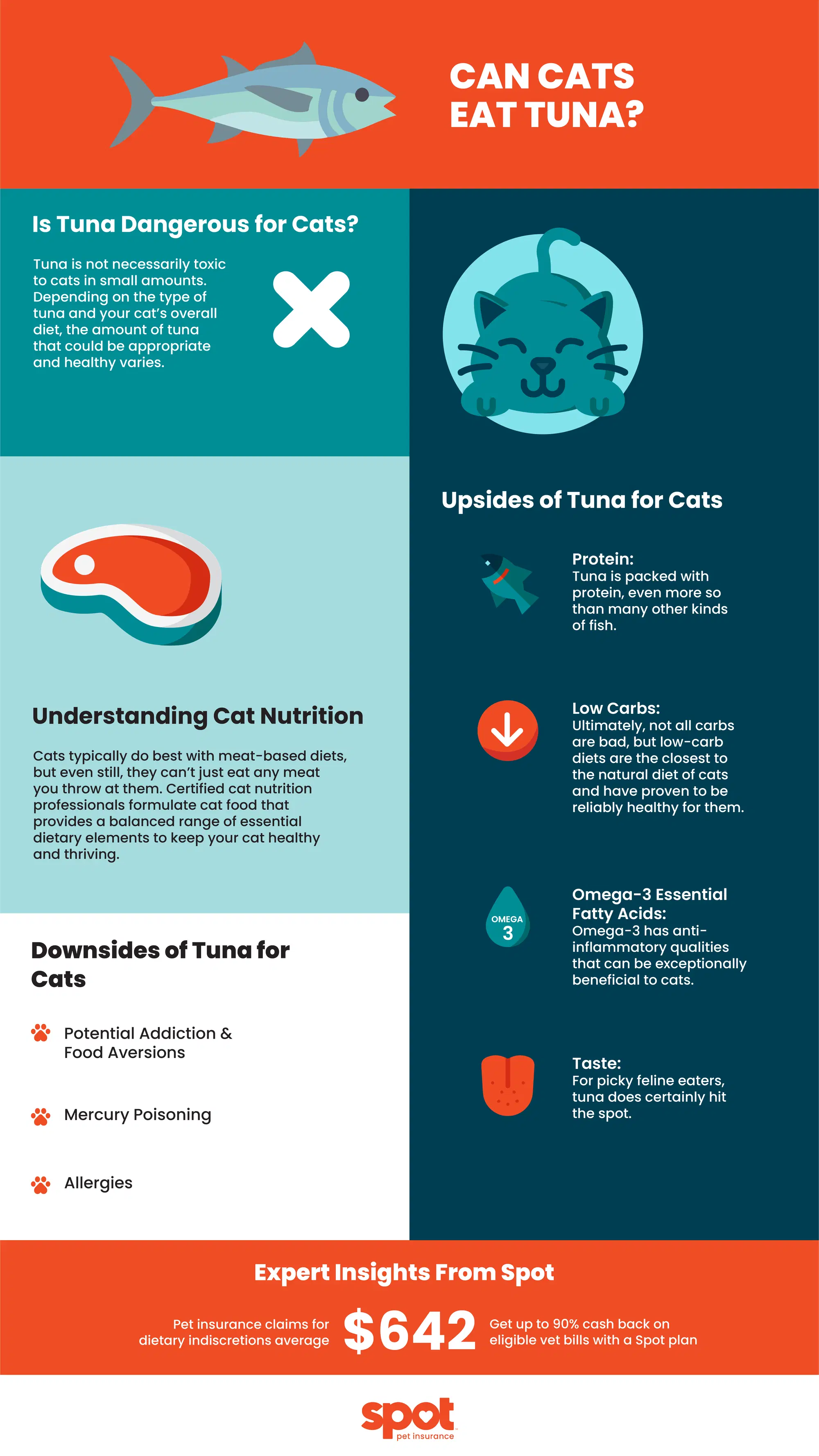
Another effective method involves hand-feeding. I found that when Oliver was at his weakest, simply placing a tiny amount of food on my finger allowed him to lick it off, which bypassed the effort of eating from a bowl. Use strong-smelling foods like canned tuna in spring water or specialized recovery diets prescribed by your veterinarian. These foods are designed to be highly palatable for animals that are struggling to maintain their weight.
Source: ebay.com
Creating a Stress-Free Feeding Environment
A weak cat is highly susceptible to anxiety, which can quickly shut down their desire to eat. Place their food in a quiet, secluded corner of your home where they feel safe from other pets or loud noises. Some cats prefer to eat from a flat plate rather than a deep bowl, as their whiskers can hit the sides of a bowl, causing a sensory issue known as whisker fatigue.
Consistency is vital when you are learning how to make a weak cat eat again. Feed them small, frequent meals throughout the day rather than one or two large portions. This approach puts less pressure on their digestive system and keeps their energy levels stable. If your cat remains uninterested, consider elevating their dish, which can sometimes make swallowing easier for older or stiff-jointed pets.

Source: chewy.com
Monitoring Progress and Seeking Help
Tracking how much your cat eats is just as important as the feeding process itself. Use a notebook to record the time and quantity of every meal, as this data will be incredibly helpful if you need to visit a professional. If you notice your cat hiding, lethargy, or repeated vomiting, contact your veterinarian immediately.
Knowing how to make a weak cat eat again is a combination of intuition and medical necessity. While home care is important, never attempt to force-feed your cat with a syringe without clear instructions from a vet. Improper feeding techniques can lead to aspiration pneumonia, which is a major risk for weak animals. Always prioritize their safety and work in tandem with your healthcare team to ensure a safe recovery.

Source: cats.com
Frequently Asked Questions of How to make a weak cat eat again
How long can a cat go without eating?
A cat should not go more than 24 hours without food, as they can develop fatal liver issues very quickly. If your cat refuses to eat for a full day, consult your veterinarian right away.
Is it okay to use human baby food to tempt a cat?
You can use meat-based baby food as a temporary lure, but ensure it contains no onion or garlic powder. It should only be used as a short-term solution because it lacks the balanced nutrition a cat needs long-term.
Should I try different food flavors when my cat is weak?
Yes, offering a variety of proteins like chicken, salmon, or turkey can help discover what your cat finds most appetizing. A sudden change in diet can be a great way to trigger interest in a cat that has lost its appetite.
What if my cat only licks the gravy?
If your cat is only consuming the liquids, try mixing the gravy with a bit of high-calorie recovery gel or canned food pate. This ensures they get the nutrients they need even if they are not yet ready to chew solid bits.
How can I make the food smell more attractive?
Adding a small amount of warm water or low-sodium tuna juice can significantly enhance the aroma of the food. Since cats rely heavily on smell, a more pungent meal is much more likely to tempt them to eat.
Conclusion
Nursing a sick cat back to health is a journey that requires immense patience, love, and attention to detail. By focusing on scent, texture, and a calm environment, you provide your cat with the best opportunity to regain their appetite and vitality. Every small bite your cat takes is a step toward recovery and a victory in your shared journey. If you feel overwhelmed, remember that you are your cat’s greatest advocate, and your presence is their greatest comfort. Take the advice here to heart, keep a close watch on your feline friend, and do not hesitate to reach out to your local veterinary clinic for further support. If you found this guide helpful, please share it with other cat owners or leave a comment below about your own experiences.
