
You can identify a Maine Coon kitten by its signature tufted ears, large paws, and a long, muscular, rectangular body frame.
Having spent over a decade working closely with feline rescue groups and professional breeders, I have seen countless kittens marketed as Maine Coons that turned out to be standard domestic longhairs. Identifying this majestic breed during their early months is a blend of science and patience. Because Maine Coons are a slow-maturing breed, they do not reach their full, impressive size until they are three to five years old. Understanding how to tell if a kitten is a Maine Coon involves looking beyond just fluffy fur and examining specific physical markers that define the breed standard. This guide will walk you through the distinct traits that set these gentle giants apart from other cats.
Key Physical Characteristics to Observe
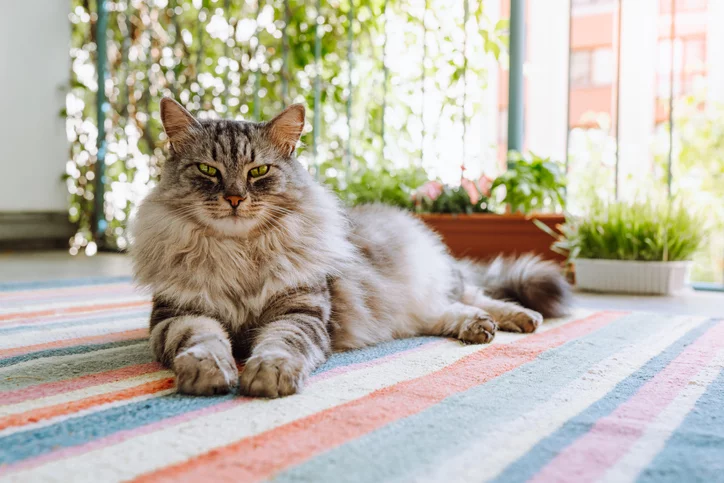
When trying to figure out how to tell if a kitten is a Maine Coon, you should start by examining the head and face. The Maine Coon has a very distinct facial structure that differs significantly from a standard house cat. Their muzzle should look strong and square, almost like a small box, rather than the pointed or rounded faces seen in common moggies.
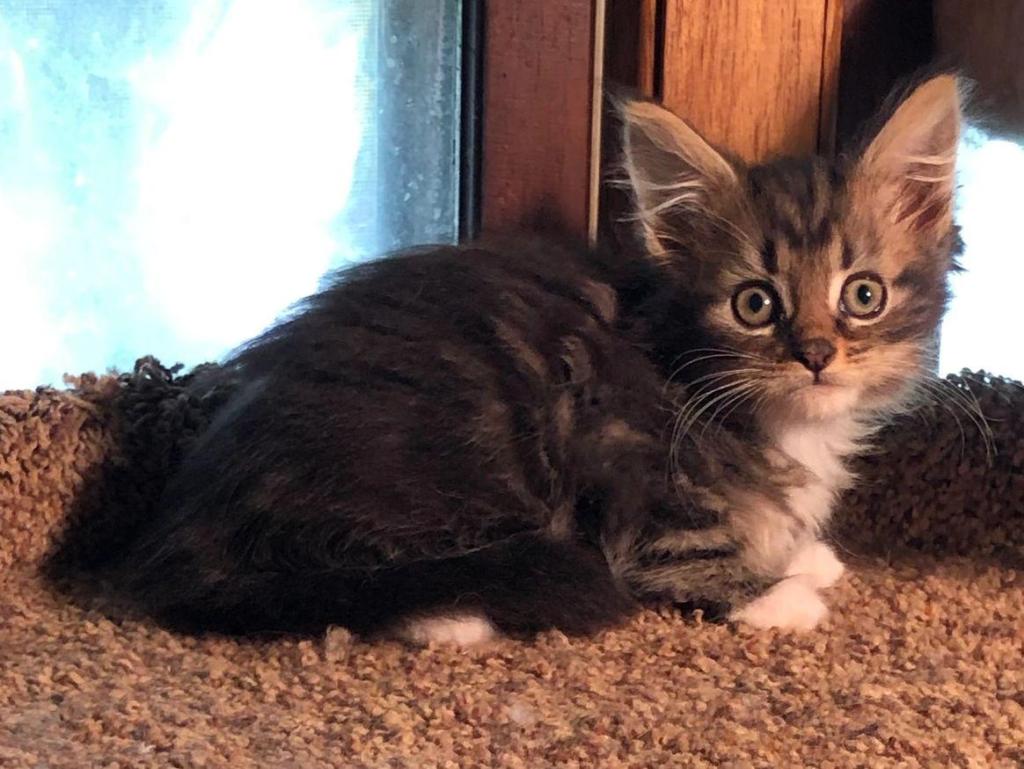
Ears are one of the most reliable indicators of the breed. A true Maine Coon kitten often exhibits lynx-like tufts of hair growing from the tips of their ears. These tufts are a hallmark of the breed and often become more pronounced as the kitten grows. Additionally, their ears are set high on the head and are generally large compared to the size of their skull.
Body shape also plays a vital role in the identification process. You should look for a long, solid, and rectangular body frame. Even as kittens, Maine Coons tend to feel heavier and denser than they look, which is a sign of their muscular build. Their tail is another giveaway; it should be long, wide at the base, and covered in thick, flowing fur that looks like a plume.
Source: mainecoonadventures.com
The Importance of Paw Size and Coat Texture
One of my favorite ways to spot a Maine Coon kitten is by checking their paws. These cats are known for having large, round, and tufted feet. In my experience, if a kitten has unusually large paws for its age, there is a high probability that it carries Maine Coon genetics. These massive paws were historically an evolutionary advantage for walking on deep snow in the harsh Maine winters.
Coat texture is another detail that seasoned breeders look for when determining how to tell if a kitten is a Maine Coon. Their fur is not just long; it is water-resistant and feels somewhat shaggy. You will notice that the fur on the underside is often longer and more silk-like than the fur on their back. This multi-layered coat helps protect them from the elements and is a key feature of the breed profile.
While coat color can vary wildly, the texture should feel somewhat uneven and coarse rather than perfectly uniform like a Persian cat. If you find a kitten with a shaggy coat, heavy boning, and oversized paws, you are likely looking at a Maine Coon. Always remember that temperament is also a factor, as these cats are famously social, dog-like, and highly vocal with a unique chirping sound.

Source: sassykoonz.com
Verifying Pedigree and Health Records
While physical traits are helpful, the only way to be 100 percent certain is through documentation. If you are purchasing a kitten, ask for registration papers from a recognized organization. Without these, it is technically impossible to confirm the cat is a purebred Maine Coon.
If you found the kitten as a stray or in a shelter, you are likely dealing with a Maine Coon mix. Many people assume a cat is a Maine Coon simply because it is large and fluffy, but genetic traits are often diluted in mixed breeds. I have seen many beautiful mixed-breed cats that exhibit some of these traits, but they lack the specific lineage that defines a pedigree animal.
It is also worth noting that Maine Coons are prone to specific health issues, such as hypertrophic cardiomyopathy and hip dysplasia. A reputable breeder will provide health screenings for the parents. If you are struggling with how to tell if a kitten is a Maine Coon, checking for these health certifications is a sign of a trustworthy source and an indicator that the kitten has been bred to the proper standard.

Source: lovinglynx.com
Frequently Asked Questions of how to tell if kitten is a maine coon cat
Do all Maine Coon kittens have lynx tips on their ears?
Most purebred Maine Coon kittens will show some signs of ear tufting, but the size of the tufts can vary significantly between individuals. Some kittens develop prominent lynx tips early, while others may have smaller tufts that grow fuller as they age.
How big should a Maine Coon kitten be at three months?
Maine Coon kittens are typically larger and heavier than standard domestic kittens of the same age due to their robust bone structure. While growth rates vary, a healthy Maine Coon kitten should feel dense and solid rather than frail or dainty.
Can you identify a Maine Coon mix by its personality?
Maine Coons are known for being exceptionally friendly, dog-like, and vocal, often greeting their owners with chirps and trills. While personality is a strong indicator, it is not a scientific way to identify the breed, as many domestic cats share these traits.
Why do people mistake regular longhaired cats for Maine Coons?
Many domestic longhaired cats share similar physical features like a bushy tail and long fur, which leads to frequent misidentification. Because true Maine Coons are rare compared to the general cat population, many large, fluffy cats are mistakenly labeled as the breed.
Is a DNA test accurate for identifying a Maine Coon?
DNA testing is the most accurate scientific method to determine the breed composition of a kitten. While they are not always perfect, they can tell you if your cat possesses the genetic markers associated with the Maine Coon lineage.
Conclusion
Determining if your kitten belongs to this legendary breed requires observing their physical traits, such as their square muzzle, tufted ears, and large paws, while considering their personality and history. While these characteristics provide a strong foundation for identification, remember that only official registration papers can truly confirm a purebred status. Whether your companion is a purebred Maine Coon or a wonderful domestic mix, the most important factor is the bond you share with them. Take the time to appreciate their unique traits, and consider consulting a veterinarian or a breed expert if you want a definitive answer. Have you noticed any of these traits in your own kitten? Share your experiences in the comments below or reach out for more tips on caring for your unique feline friend.
