
To check if your cat is dehydrated, gently lift the skin between their shoulder blades; if it doesn’t snap back instantly, they may be dehydrated. As a lifelong cat owner, I have learned that our feline friends are masters of disguise when it comes to illness. Over the years, I have cared for several cats, and I know how heart-wrenching it is to suspect something is wrong. Understanding how to check a cat for dehydration is a vital skill that every pet parent should possess to keep their companion healthy and thriving. By learning these simple physical assessments and behavioral cues, you can take control of your cat’s health and ensure they stay hydrated through every stage of their life.
Why Proper Hydration Matters for Your Cat
Cats are desert-dwelling animals by nature, which means they have evolved to get most of their moisture from their prey. Because of this, they often lack a strong thirst drive compared to dogs. When a cat does not drink enough water, their organs, especially the kidneys, have to work much harder to filter toxins from the blood. Chronic dehydration can lead to severe health complications like urinary crystals, bladder infections, and kidney failure. Recognizing the signs early is your best defense against these silent threats.

Source: youtube.com
Physical Signs and Tests to Perform
The most reliable way to assess your cat is through a few simple physical checks. You can perform these at home in just a few minutes. Always approach your cat calmly to ensure they are relaxed, as a stressed cat might display false symptoms.
- Skin Turgor Test: Gently lift the skin over your cat’s shoulder blades and release it. In a well-hydrated cat, the skin snaps back into place immediately. If the skin moves slowly or stays tented, this is a clear sign of dehydration.
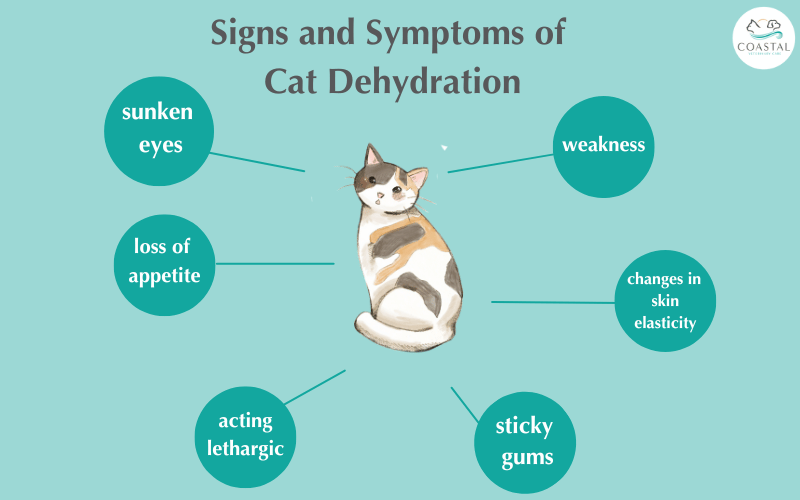
- Gum Texture: Lift your cat’s lip and touch their gums. Healthy gums should be moist and slick to the touch. If the gums feel tacky, sticky, or dry, your cat likely needs more fluids.
- Capillary Refill Time: Press your finger gently against your cat’s gum until the color turns white, then release. The pink color should return in under two seconds. If it takes longer, circulation may be compromised by dehydration.
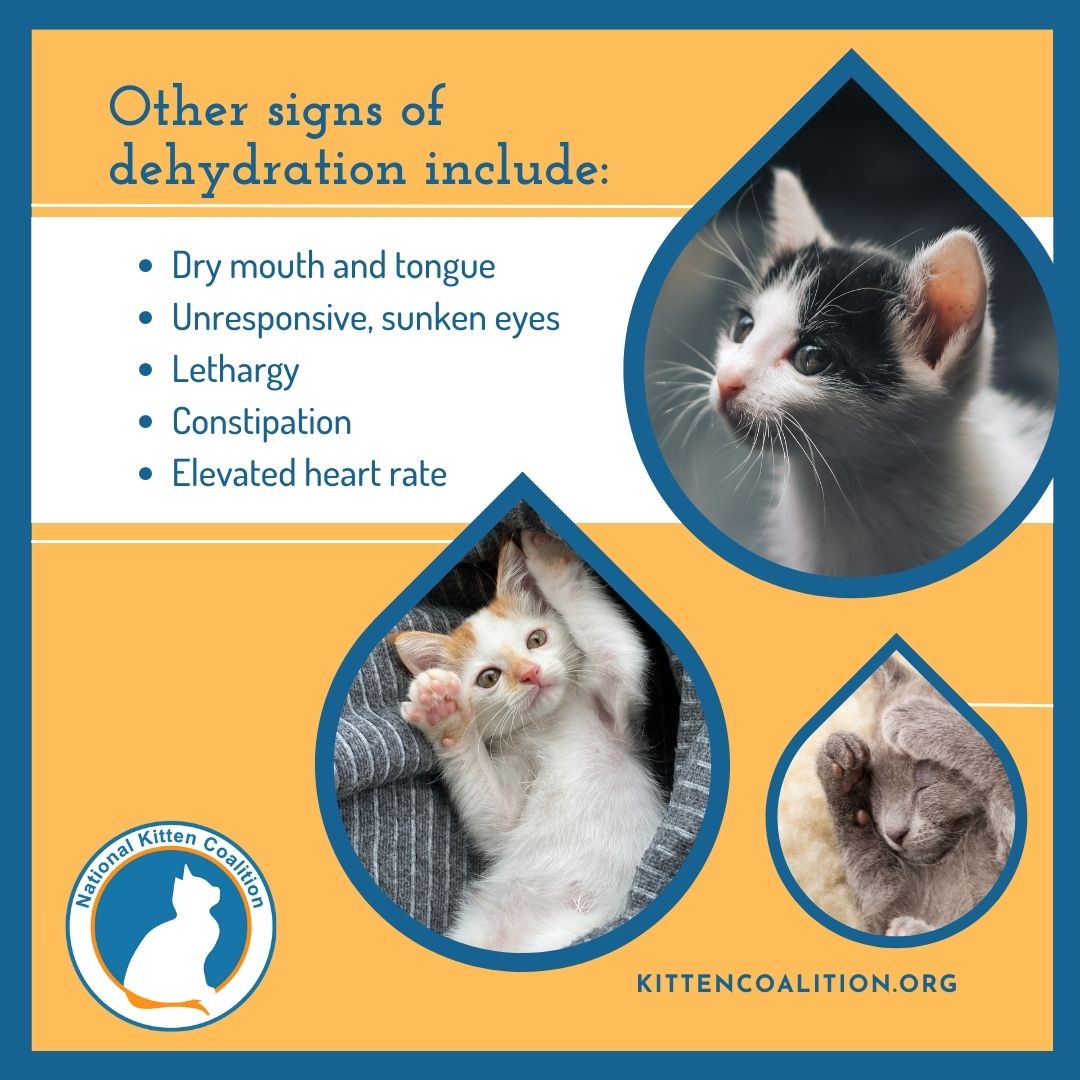
- Eye Appearance: Observe their eyes for a sunken or dull look. Dehydration often causes the eyes to recede slightly into the socket, which is a sign that requires immediate veterinary attention.

Source: wikihow.com
Behavioral Changes to Monitor
Beyond physical tests, your cat will often show behavioral changes when they are not feeling their best. I once had a senior cat who became very quiet and stopped grooming himself whenever he felt dehydrated. Pay close attention to these subtle shifts in their daily routine.
- Lethargy and Weakness: A dehydrated cat will often seem tired, sluggish, or unwilling to play. They may sleep more than usual or struggle to stand after resting.
- Loss of Appetite: Water is essential for digestion. When a cat is dehydrated, they frequently lose interest in food, which only worsens their condition.
- Decreased Urination: If you notice the litter box is consistently dry or the clumps are significantly smaller than usual, your cat might not be getting enough water.
- Excessive Panting: While less common in cats than in dogs, panting can be a sign of severe distress or overheating, which leads to rapid fluid loss.
Source: kittencoalition.org
How to Increase Your Cat’s Water Intake
Once you identify that your cat needs more water, you can try several strategies to encourage better hydration. In my experience, cats are quite particular about their water sources, and simple adjustments often yield great results.
- Switch to Wet Food: Wet food contains significantly more moisture than dry kibble, acting as a secret weapon for hydration.
- Try a Water Fountain: Many cats prefer running water over still water because it smells fresher and is often oxygenated.
- Keep Water Bowls Away from Food: In the wild, cats avoid drinking water near their kills to prevent contamination. Moving the water bowl to a different location can encourage them to drink more.
- Use Wide Bowls: Cats do not like their whiskers touching the sides of a bowl, a phenomenon known as whisker fatigue. A wide, shallow dish is much more comfortable for them.

Source: wikihow.com
Frequently Asked Questions of How to check a cat for dehydration
How much water should a cat drink daily?
A healthy cat typically needs about 4 ounces of water for every 5 pounds of body weight each day. Keep in mind that cats eating wet food will drink less from their bowl than those eating dry food.
Can I give my cat ice cubes to hydrate them?
Some cats enjoy playing with ice cubes, which can be a fun way to introduce extra water. However, never force them, and ensure the cubes are small to prevent any potential choking hazards.
What should I do if I suspect my cat is dehydrated?
If your cat shows signs of dehydration, you should contact your veterinarian immediately for guidance. Dehydration can progress quickly, and your vet may need to administer fluids subcutaneously or intravenously.
Does a cat’s nose tell me if they are dehydrated?
While a dry nose is often mentioned, it is not a reliable indicator of dehydration on its own. A cat’s nose can be dry due to room temperature, humidity, or recent naps, so rely on the skin and gum tests instead.
Can dehydration cause urinary problems?
Yes, insufficient water intake is a leading cause of concentrated urine, which can lead to painful bladder stones or urinary tract infections. Proper hydration is essential for maintaining a healthy urinary tract in all cats.
Conclusion
Checking your cat for dehydration is a simple yet powerful way to advocate for their health and comfort. By regularly performing the skin turgor test and keeping an eye on your companion’s energy levels, you can catch potential issues before they become life-threatening. Remember that small changes, like switching to wet food or adding a water fountain, can make a world of difference in their daily well-being. Your cat relies on you to notice these subtle signs, so trust your instincts and always reach out to your veterinarian if you have concerns. Stay proactive about your cat’s hydration, and you will ensure they lead a long, happy, and vibrant life by your side. If you found these tips helpful, feel free to share this guide with other pet owners or leave a comment below about your own experience with keeping your feline friend hydrated!
