
Cats hide their discomfort instinctively, so look for subtle behavioral shifts like reduced activity, hiding, or changes in grooming habits.
Understanding how to tell if your cat is in pain is one of the most vital skills a pet owner can possess. In my years of working with rescue animals, I have learned that felines are masters of concealment. Because they are both predators and prey in the wild, they mask vulnerability to survive. When a cat finally shows outward signs of agony, the issue is often quite advanced. By learning to read their subtle language, you can intervene early, potentially saving your companion from unnecessary suffering and preventing more severe health complications.
Behavioral Changes and Subtle Clues
The first step in knowing how to tell if your cat is in pain is observing their daily baseline. You know your pet better than anyone; if something feels off, trust that intuition. Behavioral shifts are often the earliest indicator that something is wrong.
- Social withdrawal. Many cats will retreat to dark, quiet corners or hide under furniture when they feel unwell.
- Altered grooming. A cat in pain might stop grooming entirely, leading to a matted coat, or they might over-groom a specific painful area.
- Litter box avoidance. If jumping into a high-sided box is painful due to arthritis, your cat may choose the floor instead.
- Appetite fluctuations. While some stop eating, others may seem to eat normally but struggle with the mechanics of chewing or swallowing.
In my experience, when I noticed my own cat sleeping in the closet instead of on the bed, it was the first sign of a dental infection. We often mistake these changes for simple moodiness, but they are almost always a cry for help.

Source: reddit.com
Physical Signs of Feline Discomfort
While behavior is a great indicator, physical signs provide more objective evidence. Learning how to tell if your cat is in pain physically involves a routine health check at home. You should occasionally handle your cat to check for abnormalities while they are calm.
- The feline grimace. Look for flattened ears, squinted eyes, or a tense muzzle. This is often called the grimace scale.
- Posture shifts. A cat in pain may hunch its back or tuck its tail closely against the body to protect the abdomen.
- Inactivity or stiffness. Watch for hesitation before jumping onto a chair or a reluctance to climb stairs, which often signals joint or spinal pain.
- Restlessness. If your cat cannot settle down, constantly shifting positions or pacing, they may be struggling to find a comfortable angle.
Always be gentle during these checks. If you notice a tender spot, do not press down hard. If the cat reacts with a hiss or a swat, that is a clear, defensive response to pain.
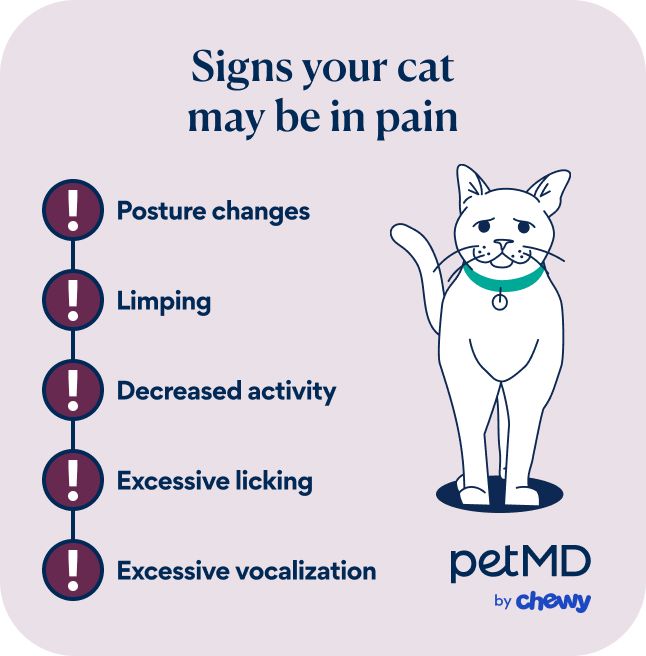
Source: petmd.com
Why Recognizing Pain Early Matters
Early detection is the cornerstone of veterinary care. When you master how to tell if your cat is in pain, you allow your veterinarian to diagnose issues before they become chronic. Many conditions, such as kidney disease or feline osteoarthritis, are much more manageable when caught in the initial stages.
If you wait for your cat to limp or cry out, the pain has already reached a significant threshold. I have seen many owners delay a trip to the vet, hoping the cat will just “get over it.” Unfortunately, internal pain rarely resolves on its own. By seeking help at the first sign of discomfort, you ensure a higher quality of life and often lower long-term medical costs.
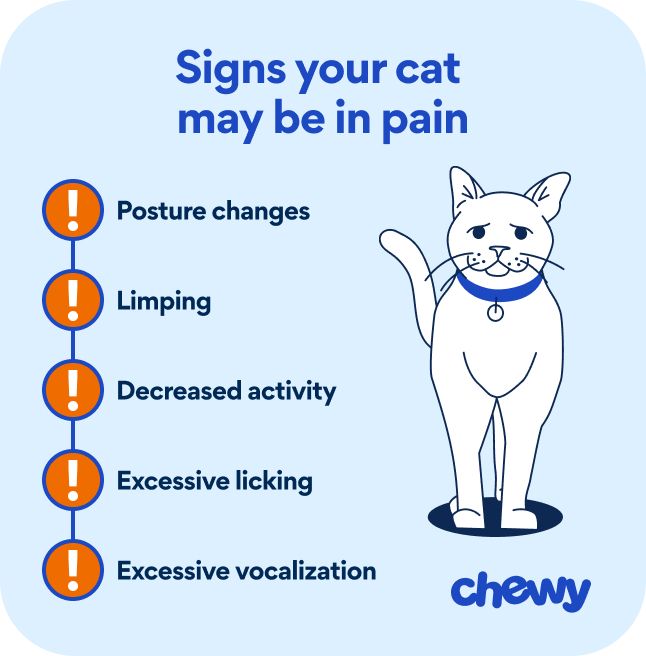
Source: chewy.com
Frequently Asked Questions of How to tell if your cat is in pain
How can I tell if my cat has arthritis pain?
You might notice your cat hesitating before jumping on high surfaces or moving more slowly than usual. They may also lose muscle mass in their hind legs and become less interested in playing.
Does a cat purring always mean they are happy?
No, cats often purr when they are in pain or distressed as a self-soothing mechanism. It is important to look at the purring in context with their body language and activity levels.
Can vocalization be a sign of pain?
Yes, sudden changes in vocalization, such as excessive yowling or uncharacteristic growling, can indicate physical distress. Some cats may become abnormally quiet if they are feeling vulnerable and hurt.
Is it normal for my cat to hide when they are sick?
Hiding is a common instinctual response for a cat that is feeling unwell or in pain. They seek a safe, hidden location to protect themselves while they heal.
What should I do if I suspect my cat is in pain?
Schedule an appointment with your veterinarian as soon as possible for a professional examination. Never give your cat human pain medications, as these can be toxic and even fatal to felines.
Conclusion
Detecting discomfort in our feline friends requires a keen eye and a compassionate heart. By paying close attention to changes in routine, grooming, and movement, you become the best advocate for your pet’s health. Remember that these small, subtle shifts are often the only signal your cat will provide. Do not wait for extreme symptoms to appear; your diligence is the key to their comfort. If you suspect your cat is suffering, consult your veterinarian today to get them the care they deserve. Keep monitoring your cat’s daily habits and share your experiences with other pet owners to help spread awareness about this crucial aspect of feline care.
