
You can tell if your cat is sick by observing subtle changes in behavior, appetite, energy levels, and bathroom habits.
As a dedicated cat owner who has lived with feline companions for over a decade, I have learned that our cats are masters of disguise. In the wild, they are both predators and prey, which means they are evolutionarily hardwired to hide signs of illness to avoid appearing vulnerable. Knowing how to tell if your cat is sick requires moving beyond the surface level and paying close attention to the small, quiet shifts in their daily routine. Whether you are a new cat parent or a seasoned enthusiast, understanding these nuances is the most vital tool you possess for ensuring your cat stays healthy and happy for years to come.

Recognizing Subtle Changes in Behavior
Cats are creatures of habit. When they feel unwell, they often deviate from their normal patterns in ways that are easily overlooked. You should look for sudden shifts in personality, such as a normally social cat choosing to hide under the bed for long periods or a relaxed cat suddenly becoming irritable when touched.
Physical indicators are equally important. I once noticed my own cat, Leo, sitting in a strange hunched position. While he was still eating, that subtle change in his resting posture was his way of protecting a sore abdomen. Always keep an eye out for these red flags:
- Excessive vocalization that seems out of character or distressful.
- Unexplained aggression or sudden sensitivity to being petted in certain areas.
- Lethargy, where your cat sleeps significantly more than their usual baseline.
- A lack of interest in toys or interactions they previously enjoyed.
Source: youtube.com
Monitoring Appetite and Digestive Health
One of the most reliable ways to tell if your cat is sick involves tracking their food and water consumption. A cat that stops eating for even 24 hours can develop a serious condition called hepatic lipidosis. If you notice your cat is picking at their food or refusing treats they once loved, it is time to investigate.
Water intake is just as critical. Many owners ask why their cat does not eat dry food, but sometimes the answer is simply that they feel nauseous or have dental pain. Watch for these digestive warning signs:
- Rapid weight loss or sudden weight gain, which can indicate metabolic issues.
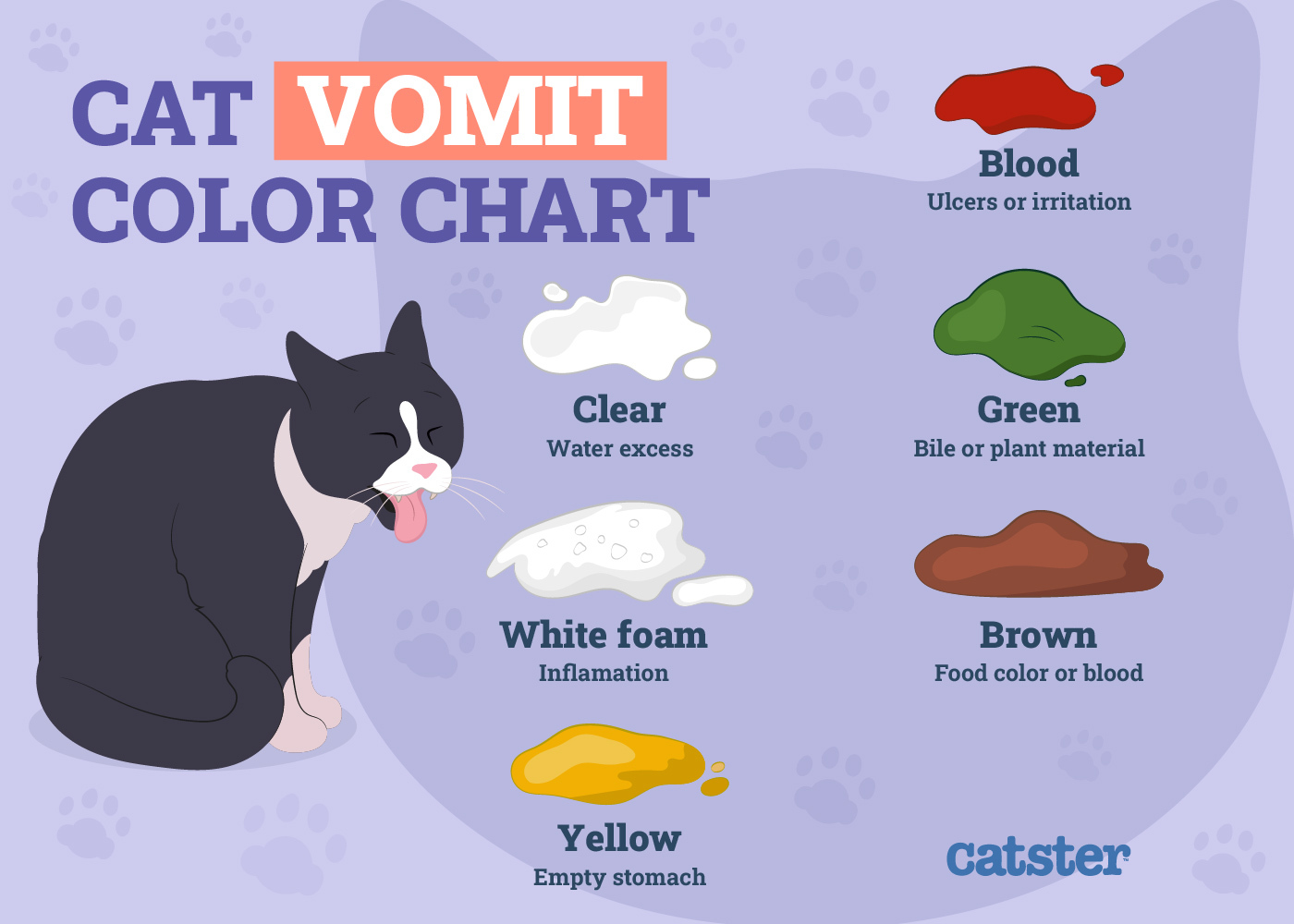
- Frequent vomiting or hairballs that happen more than once or twice a week.
- Straining in the litter box or finding accidents outside of the box.
- Significant changes in the consistency or smell of their waste.

Source: wikihow.com
Grooming and Physical Appearance
A cat that feels unwell often stops grooming itself. If you notice your cat has a matted, greasy, or dull coat, it is often a sign that they no longer have the energy to maintain their hygiene. In my experience, a dirty coat is frequently the first physical indicator that something is wrong internally.
Pay attention to their eyes, ears, and nose as well. Discharge, redness, or constant pawing at the face can point to allergies or infections. Remember that because cats hide pain so effectively, by the time you see a physical symptom like a dull coat, the underlying issue may have been present for a while.
Source: catster.com
Frequently Asked Questions of How to tell if your cat is sick
Should I wait to see if my cat gets better on their own?
It is rarely wise to wait, as cats often hide symptoms until they are quite ill. If you suspect your cat is sick, contact your veterinarian immediately for professional guidance.
Can I check my cat for a fever at home?
While you can feel their ears or paws for warmth, it is not an accurate way to measure body temperature. A true fever can only be confirmed by a vet using a clinical thermometer.
Why is my cat hiding more than usual?
Hiding is a common instinctual reaction to stress or physical pain. If your cat is hiding in dark, secluded spots for long periods, it is a strong indicator that they need a checkup.
Does bad breath mean my cat is sick?
Yes, persistent bad breath, or halitosis, is often a sign of dental disease or potential kidney issues. You should have your vet examine their teeth and gums during your next visit.
What should I do if my cat stops using the litter box?
This is a classic sign of illness, such as a urinary tract infection or blockage. You must treat this as a medical emergency and see a vet right away.
Conclusion
Knowing how to tell if your cat is sick is a blend of intuition and careful observation. By staying vigilant regarding changes in appetite, grooming, and social behavior, you can catch health concerns before they escalate. Remember that you are the expert on your cat’s normal personality, so trust your gut if something feels off. Taking proactive steps today ensures that your cat remains a vibrant part of your life for a long time. If you notice persistent changes, do not hesitate to schedule a wellness exam with your trusted veterinarian to ensure your feline friend stays in the best possible health.
