
You can identify if your kitten has worms by checking for physical signs like a bloated belly, weight loss, diarrhea, or visible segments in their stool.
Welcoming a new kitten into your home is a joyous occasion, but it comes with the serious responsibility of monitoring their health. I remember when I brought my first rescue kitten home; he seemed energetic, yet his belly remained unusually round and firm. After consulting my veterinarian, I learned that parasites are incredibly common in young cats, often passed from their mothers before they are even weaned. Understanding how to know if your kitten has worms is a vital skill for every pet owner, as early detection ensures your tiny companion grows up strong and healthy. In this guide, I will share the clinical signs, behavioral shifts, and professional insights you need to keep those pesky internal parasites at bay.
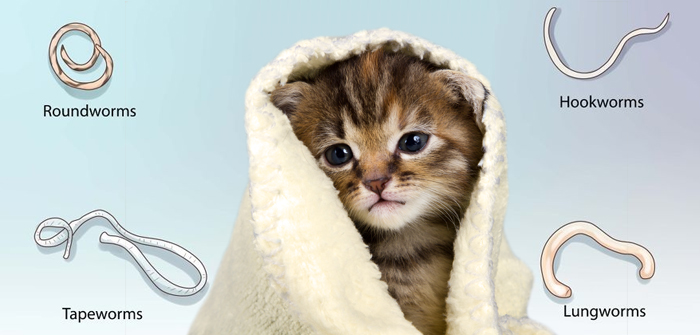
Common Signs Your Kitten Has Worms
Intestinal parasites are masters of disguise, but they leave behind clues if you know where to look. Kittens are particularly vulnerable because their immune systems are still developing. One of the most common signs your kitten has worms is a pot-bellied appearance, which makes the stomach look swollen even when the kitten is not eating a large meal.
You should also keep a close eye on their stool. If you notice tiny white specks that look like grains of rice or small spaghetti-like strands, these are often indicators of tapeworms or roundworms. While it is not pleasant to inspect, checking the litter box regularly is one of the most effective ways to know if your kitten has worms.
Other physical and behavioral changes to monitor include:
- Persistent diarrhea or loose stools that may contain mucus or blood.
- Sudden weight loss despite a healthy appetite, which happens as worms steal vital nutrients.
- A dull, brittle, or coarse coat instead of the soft, shiny fur you expect.
- Lethargy or a lack of energy, as the infection takes a physical toll on their small bodies.
- Persistent vomiting, which can sometimes lead to the expulsion of live worms.

Source: reddit.com
Understanding the Types of Parasites
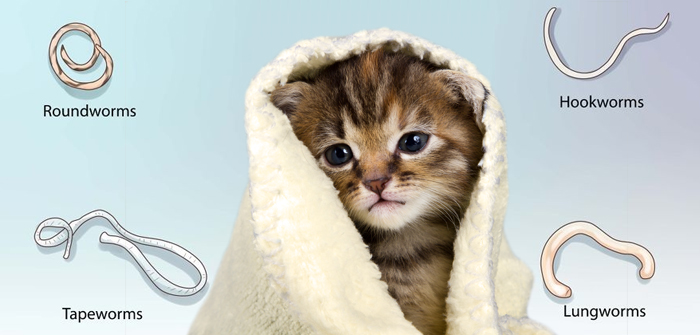
There are several varieties of worms that can affect a cat, and knowing the difference helps in understanding how to know if your kitten has worms. Roundworms are the most prevalent, often appearing as long, thin noodles in the vomit or feces. Hookworms are much smaller and attach to the intestinal wall, often causing internal bleeding and anemia.
Tapeworms are another common culprit, usually transmitted through fleas. If your kitten has a flea problem, it is highly likely they also have tapeworms. When I managed my own kitten’s health, I learned that seeing fleas on his coat was a red flag to treat him for internal parasites simultaneously. Treating both the skin and the digestive system is the only way to break the life cycle of these pests.
Source: pethealthclub.com
When to Consult Your Veterinarian
While you can look for the signs mentioned above, some worm infections show no symptoms at all during the early stages. This is why routine veterinary visits are essential. A fecal exam performed by a professional is the only foolproof method to know if your kitten has worms.
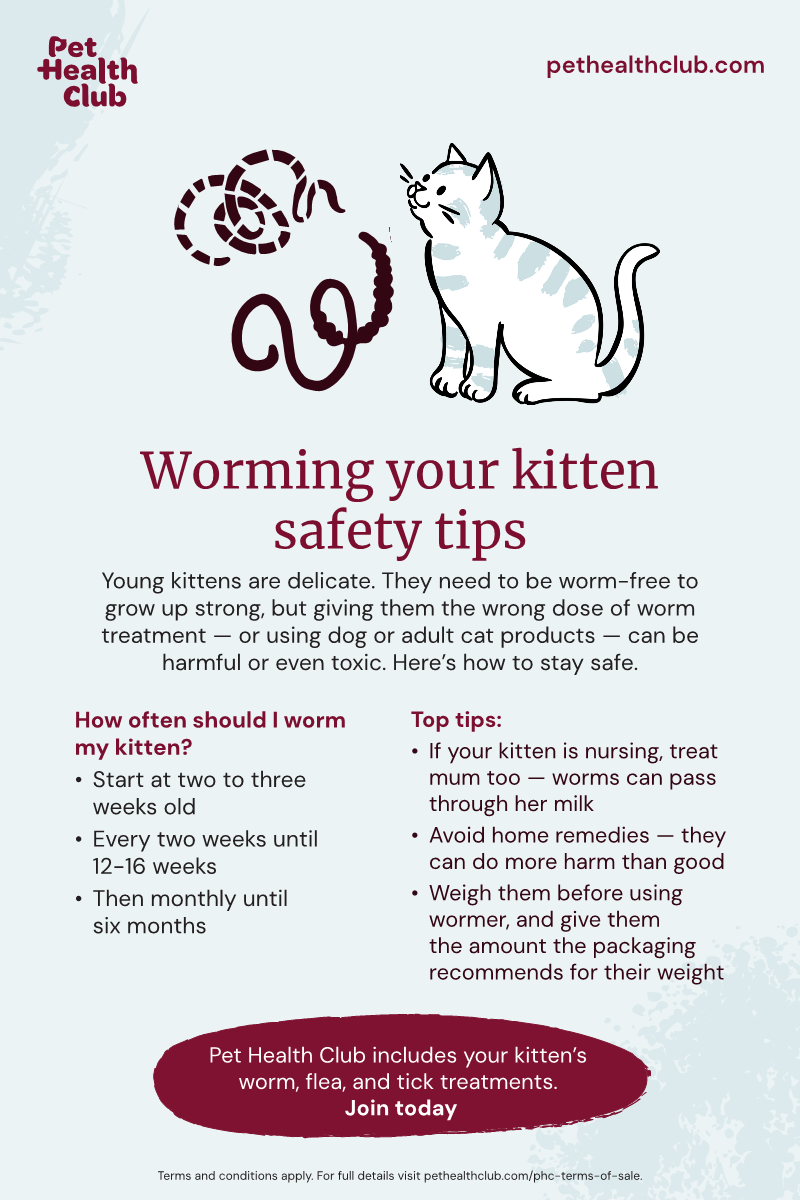
I recommend taking a stool sample to your vet during your kitten’s first check-up. Most kittens require multiple deworming treatments because the medication only kills adult worms, not the eggs or larvae still migrating through the body. Do not attempt to use over the counter medications without expert guidance, as improper dosing can be dangerous for a kitten’s fragile system.
Source: com.au
Frequently Asked Questions of How to know if your kitten has worms
Can I get worms from my kitten?
Yes, some types of worms like roundworms and hookworms are zoonotic, meaning they can be transmitted to humans. Practicing good hygiene, such as washing your hands after handling your kitten or cleaning the litter box, significantly reduces this risk.
How often should kittens be dewormed?
Most veterinarians recommend a deworming schedule starting at two or three weeks of age, continuing every few weeks until the kitten is a few months old. Always follow your vet’s specific protocol based on your kitten’s individual health history.
Are indoor kittens immune to worms?
No, indoor kittens can still contract worms through contact with contaminated soil, infected prey, or even through their mother’s milk. Even if your kitten never leaves the house, internal parasite prevention remains a critical part of their healthcare routine.
What do tapeworms look like in kitten poop?
Tapeworms usually appear as small, flat, white segments that resemble grains of rice or cucumber seeds. You might also see these segments moving around the kitten’s tail area or near their bedding.
Can worms cause a kitten to die?
If left untreated, severe worm infestations can cause significant malnutrition, anemia, and intestinal blockages that become life-threatening. Early diagnosis and consistent veterinary care are the best ways to prevent these severe complications.
Conclusion
Detecting internal parasites early is one of the kindest things you can do for your new kitten. By staying observant of their bathroom habits, monitoring their appetite, and keeping up with regular veterinary check-ups, you can ensure your kitten remains healthy and happy. Remember that while these parasites are common, they are also very treatable with the right medical intervention. Take action by scheduling a visit with your local clinic today to get your kitten on a proper deworming schedule. If you found this information helpful, please share it with other new cat parents or leave a comment below about your own experiences!
