
Is your indoor cat acting restless or showing signs of boredom? You’re not alone.
When your furry friend spends most of their time inside, it’s easy for them to get bored—and that can lead to unwanted behaviors or a less happy pet. But don’t worry, you can change that! You’ll discover simple and effective ways to keep your indoor cat entertained and mentally stimulated every day.
From easy DIY toys to engaging games that tap into your cat’s natural instincts, you’ll find plenty of ideas to make your home a playground your cat will love. Ready to turn your bored kitty into a playful, content companion? Let’s dive in!
Credit: www.cats.org.uk
Signs Your Cat Is Bored
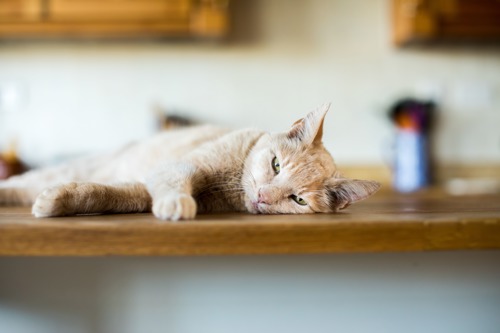
Recognizing when your indoor cat is bored helps you keep them happy and healthy. Cats show boredom in different ways. Watching their behavior and physical state gives clear hints. Acting on these signs improves their daily life and strengthens your bond.
Behavioral Clues
Bored cats may act restless or pace around the room. They might yawn and stretch more often than usual. Some cats over-groom, licking their fur until it looks patchy. Scratching furniture or doors can increase without new toys. Vocalizing loudly or more frequently is another sign. Your cat might lose interest in playing or interacting. They may hide or seem listless during active times.
Physical Indicators
Physical signs include weight changes, either loss or gain. Bored cats sometimes become overweight from lack of exercise. Their coat may lose shine, looking dull and dry. Eyes might appear glazed or less alert than normal. You could notice a drop in energy levels and muscle tone. Poor grooming habits can lead to matted or dirty fur. Watch for any changes in sleep patterns as well.
Toys That Spark Interest
Indoor cats need toys that grab their attention and keep them busy. Bored cats often become restless or unhappy. Toys that spark interest mimic hunting or play behaviors. These toys encourage cats to move, think, and explore. They help reduce stress and improve mood. Below are three types of toys that many cats find exciting.
Interactive Puzzle Feeders
Puzzle feeders challenge your cat to get their food or treats. These toys make cats work for their snacks. It taps into their natural hunting drive. Puzzle feeders slow down fast eaters and provide mental exercise. Cats enjoy figuring out how to release food from the toy. This keeps their brain active and sharp.
Wand And Fishing Rod Toys
Wand toys mimic prey animals like birds or bugs. They have feathers, strings, or small toys at the end. You move the wand to make the toy jump or flutter. Cats love chasing, pouncing, and catching these moving toys. It sparks their hunting instincts and offers physical exercise. Regular play with wand toys strengthens your bond too.
Diy Cat Toys
Homemade toys can be simple and fun for cats. Use safe household items like paper balls, cardboard tubes, or string. You can stuff old socks with catnip for a soft toy. DIY toys keep things fresh and interesting. Cats enjoy exploring new textures and shapes. Always supervise your cat with DIY toys to ensure safety.
Create Engaging Spaces
Creating engaging spaces is essential to keep your indoor cat happy and active. Cats love to explore new places and enjoy different heights and views. Designing areas that stimulate their curiosity helps prevent boredom and encourages natural behaviors.
These spaces provide mental and physical exercise. They also offer a safe environment for your cat to climb, watch outside, and relax.
Vertical Climbing Areas
Cats enjoy climbing and jumping. Vertical spaces give them a chance to exercise and stay sharp. Install cat trees or shelves on walls. Make sure they are sturdy and safe.
Different levels let your cat jump from one spot to another. This mimics outdoor exploration and keeps them busy for hours.
Window Perches And Views
Windows offer a world of entertainment. Cats love to watch birds, cars, and people passing by. A window perch gives your cat a comfy spot to observe.
Choose a place with good sunlight and a clear view. Add soft cushions to make it cozy. This simple setup can reduce stress and boredom.
Building A Catio
A catio is an enclosed outdoor space for your cat. It lets them enjoy fresh air without risks. You can build one on a balcony or in the yard.
Include climbing structures, toys, and hiding spots. This space offers variety and stimulates your cat’s senses. A catio brings nature closer to your indoor friend.

Credit: www.amazon.com
Daily Playtime Routines
Keeping a bored indoor cat entertained requires consistent daily playtime routines. Cats thrive on regular activity that stimulates their mind and body. Setting up a structured play schedule helps reduce boredom and unwanted behaviors.
Daily playtime gives your cat something to look forward to. It also strengthens your bond and keeps your cat healthy. Using different play techniques keeps things fresh and exciting for your feline friend.
Scheduled Interactive Sessions
Set specific times each day for interactive play. Cats enjoy routine and will anticipate these sessions. Use toys like feather wands or laser pointers to engage your cat directly. These moments let your cat chase, jump, and pounce under your watchful eye.
Keep sessions short but frequent, around 10 to 15 minutes. This fits your cat’s natural hunting bursts. Consistency makes your cat more active and less likely to feel bored.
Varied Play Styles
Change the type of play to keep your cat interested. Use different toys like balls, stuffed mice, or puzzle feeders. Some cats prefer chasing, while others like batting or stalking toys.
Rotate toys weekly to keep them novel. Mixing play styles helps your cat use different skills and prevents routine fatigue. Variety also challenges your cat’s mind and body in new ways.
Hunting Games
Simulate hunting to satisfy your cat’s natural instincts. Hide toys in boxes or under blankets for your cat to find. Use wand toys to mimic prey movements, encouraging your cat to stalk and pounce.
Offer small treats as rewards to make hunting more rewarding. This keeps your cat engaged and mentally sharp. Hunting games provide both physical exercise and mental stimulation.
Use Food As Entertainment
Food is a great way to keep your indoor cat entertained. It taps into their natural hunting instincts. Cats love to work a little for their meals. Using food for play keeps their mind sharp and body active.
Feeding time becomes more than just eating. It turns into a fun challenge that your cat looks forward to. This method reduces boredom and helps prevent bad behavior. Here are some easy ideas to try at home.
Treat Dispensers
Treat dispensers are small toys that release food slowly. Your cat must move or bat the toy to get treats out. This simple activity keeps them busy and engaged. It also slows down fast eaters, helping digestion.
Many dispensers come in fun shapes and sizes. Choose one that suits your cat’s size and skill level. Watching your cat figure out the toy can be very rewarding.
Food Puzzle Challenges
Food puzzles hide kibble in small compartments or under sliding pieces. Your cat uses paws and nose to find the food. This stimulates their brain and sharpens problem-solving skills.
Start with easy puzzles and increase difficulty over time. Puzzle feeders make mealtime exciting and mentally tiring. Your cat stays busy and less likely to get bored.
Hide And Seek With Snacks
Hide small treats around the house for your cat to find. Use safe, quiet spots like behind furniture or under cushions. This game mimics hunting in the wild and sparks curiosity.
Change hiding places each day to keep it fresh. Your cat learns to use their senses and gets gentle exercise. It’s a fun way to bond while keeping your cat active.
Affordable Entertainment Ideas
Keeping an indoor cat entertained does not have to be expensive. Many affordable ideas use things you already have at home. These simple options keep your cat busy and happy. Cats love to explore and play with new objects. Changing their play environment can spark their curiosity and reduce boredom.
Household Items As Toys
Common household items make great cat toys. Crumpled paper balls bounce and roll unpredictably. Bottle caps slide across the floor, inviting chasing and pawing. Old socks filled with a bit of catnip become soft, fun toys. String or yarn can be dangled for your cat to swipe at. These items cost nothing extra and can be replaced easily.
Boxes And Bags For Exploration
Cats love hiding and exploring in boxes. Cardboard boxes of any size become instant playgrounds. Cut holes in boxes to create tunnels or hideouts. Paper bags without handles provide a safe, crinkly space to crawl into. These simple items satisfy your cat’s natural curiosity. They also help your cat feel secure and entertained.
Rotating Toy Selection
Keep your cat interested by rotating toys regularly. Put some toys away and bring them out again after days or weeks. This makes old toys feel new again. Rotate between soft, noisy, and interactive toys. Changing toys often prevents boredom and encourages active play. Your cat will stay excited about each play session.
Keep Your Cat Mentally Stimulated
Keeping your cat mentally stimulated is key to preventing boredom. A cat’s mind needs challenges and new experiences. Mental stimulation helps reduce stress and destructive behaviors. It also strengthens the bond between you and your pet. Here are some ways to keep your indoor cat engaged and happy.
Training And Tricks
Teaching your cat simple tricks can be fun and rewarding. Use treats to encourage behaviors like sitting or high-fiving. Keep training sessions short and positive. Cats enjoy learning new skills when rewarded. Training keeps their mind active and sharp.
Scent Enrichment
Cats rely on their sense of smell to explore the world. Introduce new scents using herbs like catnip or silvervine. Rotate different scents to keep your cat curious. You can also hide treats in scented cloths. Scent enrichment provides mental stimulation without leaving home.
New Experiences Indoors
Change your cat’s environment by adding new toys or rearranging furniture. Create new hiding spots or climbing areas. Use puzzle feeders to make mealtime more challenging. Try different types of toys to find what excites your cat. New experiences spark curiosity and reduce boredom.
Credit: zachspetshop.com.au
Frequently Asked Questions
What Is The 3-3-3 Rule Of Cats?
The 3-3-3 rule for cats means adopting a cat aged 3 months or older, keeping it for 3 days to observe behavior, and allowing 3 weeks to adjust at home.
How To Reduce Boredom In Indoor Cats?
Use puzzle feeders, interactive toys, and DIY treats to engage your cat. Provide climbing spaces and window views. Schedule daily playtime to stimulate hunting instincts and prevent boredom.
What Is The 1 Cause Of Death In Cats?
The 1 cause of death in cats is kidney disease. It commonly affects older cats and can lead to kidney failure.
How Do I Say “i Love You” In Cat Language?
Cats say “I love you” by slow blinking, gentle purring, head bunting, kneading, and following you closely. These show affection naturally.
Conclusion
Keeping an indoor cat entertained takes effort but brings great rewards. Regular play and new toys keep your cat happy and healthy. Use puzzle feeders and climbing spaces to challenge their mind and body. Simple DIY toys can add fun without extra cost.
Watch your cat’s behavior and try different activities to see what excites them most. A busy cat is a content cat. Keep exploring ways to make your home a playful place for your furry friend.
