
Wondering how long your indoor cat might be by your side? You’re not alone.
Knowing your feline friend’s potential lifespan helps you plan the best care and cherish every moment together. Indoor cats often live longer than outdoor cats—but how much longer? What factors decide their years? If you want to understand what influences your cat’s health and longevity, and how to help them live a happy, full life, keep reading.
This guide will give you clear answers and practical tips tailored just for you and your furry companion.
Credit: www.litter-robot.com
Indoor Cat Lifespan
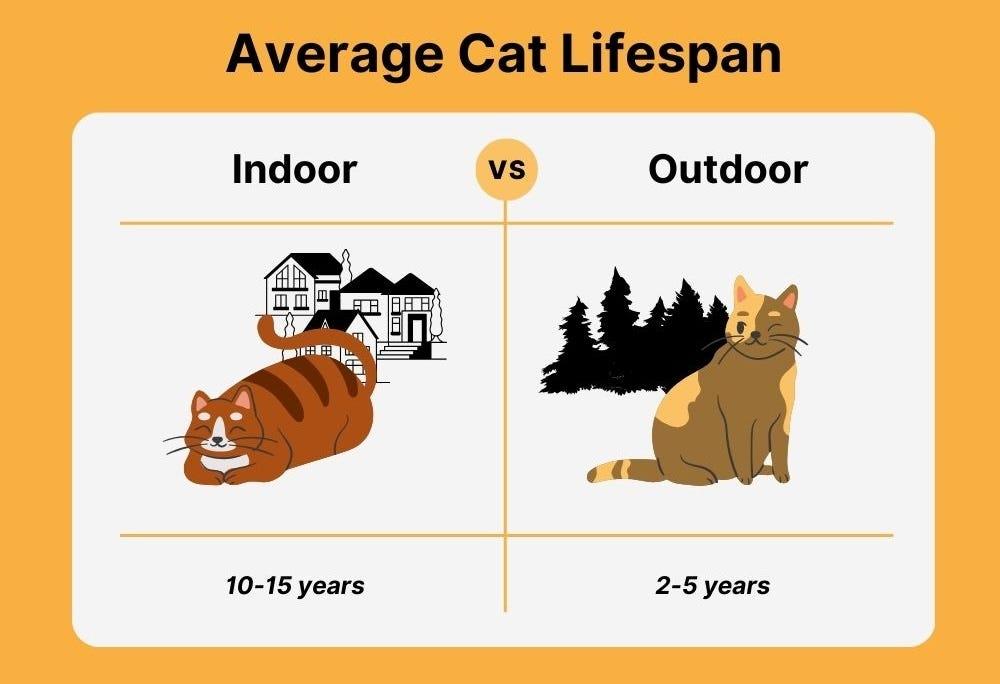
Indoor cats often live longer than outdoor cats. They avoid dangers like traffic and predators. Their environment is safer and more controlled. This helps reduce accidents and illnesses.
Good care also plays a big role. Proper diet, regular vet visits, and a clean home help cats thrive. Understanding how long indoor cats can live helps owners plan better care.
Average Years Indoors
Indoor cats typically live between 12 and 16 years. Some cats reach 18 to 20 years with excellent care. Living indoors lowers risks from infections and injuries. This boosts their chances of a long life.
Old Age Milestones
Cats are considered seniors at around 10 years old. Between 12 and 15 years, many show signs of aging. Common changes include slower movement and less play. Cats over 15 are in their golden years. They need gentle care and regular health checks.
Gender Differences In Lifespan
Female cats often live longer than males. This is partly due to lower risks of certain diseases. Neutered males also tend to live longer than unneutered ones. Spaying and neutering reduce health risks and extend life.

Credit: www.inceptumgroup.de
Health Factors
Health plays a major role in how long an indoor cat can live. Many factors affect a cat’s lifespan. Paying attention to these helps keep cats healthy and happy. A healthy cat usually lives longer and feels better every day.
Regular Vet Visits
Regular checkups catch health problems early. Vaccinations protect cats from serious diseases. Routine exams help monitor weight, teeth, and overall health. Early treatment means fewer health risks later. Keep a vet schedule to ensure your cat stays well.
Nutrition And Weight
Good nutrition supports strong bones and a shiny coat. Feeding balanced cat food helps maintain ideal weight. Overweight cats face risks like diabetes and joint pain. Underweight cats may lack energy and immunity. Measure food portions and avoid too many treats.
Spaying And Neutering
Spaying or neutering reduces the risk of some cancers. It also lowers the chance of infections and injuries. Fixed cats tend to live longer than unaltered ones. This procedure helps control unwanted litters. It improves behavior and overall health in many cats.
Common Diseases In Indoor Cats
Indoor cats face fewer risks but can still get diseases. Kidney problems are common in older cats. Dental disease can cause pain and infection. Obesity-related illnesses affect many indoor cats. Regular monitoring and care reduce these health issues.
Breed And Genetics
The breed and genetics of an indoor cat play a key role in its lifespan. Some breeds have natural traits that affect health and longevity. Genetic factors can make certain cats more prone to illnesses. Understanding these differences helps predict how long your cat may live.
Genetics influence many aspects of a cat’s health. Traits passed down from parents shape their immune system and organ function. These inherited features can either extend or shorten a cat’s life. Breed-specific health issues are common and impact lifespan significantly.
Purebred Vs Mixed-breed Cats
Purebred cats come from a controlled gene pool. This can increase the chance of genetic diseases. Some purebreds have inherited conditions like heart disease or kidney problems. These health issues may reduce their life expectancy.
Mixed-breed cats have more genetic diversity. This variety often strengthens their immune system. Mixed breeds tend to live longer and suffer fewer genetic diseases. Their broader gene pool usually offers better overall health.
Breed-specific Lifespan Trends
Different cat breeds show unique lifespan patterns. For example, Siamese cats often live into their late teens. Maine Coons are large but may face early joint problems. Persian cats can have respiratory issues affecting their lifespan.
Knowing breed-specific risks helps owners plan proper care. Regular vet checkups can catch breed-related health problems early. This vigilance can add years to an indoor cat’s life. Each breed needs tailored attention to live its fullest life.
Lifestyle And Environment
The lifestyle and environment of an indoor cat play a crucial role in determining its lifespan. A safe, comfortable home reduces risks that outdoor cats face daily. At the same time, a stimulating indoor space keeps your cat active and happy. Understanding these factors helps improve your cat’s quality of life and longevity.
Indoor Vs Outdoor Risks
Indoor cats avoid dangers like cars, predators, and diseases. Outdoor cats face more accidents and infections. Indoor cats have fewer injuries and less exposure to parasites. Their controlled environment lowers the chance of poisoning or fights. This safety often leads to longer lives for indoor cats.
Safe Indoor Enrichment
Indoor cats need activities to stay healthy and alert. Toys, scratching posts, and climbing shelves provide exercise and mental stimulation. Puzzle feeders challenge their minds and prevent boredom. Rotating toys keeps their interest high. Enrichment helps prevent obesity and destructive behavior in indoor cats.
Stress And Mental Health
Stress can shorten a cat’s life by weakening its immune system. Loud noises, unfamiliar visitors, or lack of routine cause anxiety. A quiet, predictable environment helps cats feel safe. Providing hiding spots and cozy resting areas reduces stress. Regular playtime and gentle interaction improve mental well-being.
Signs Of Aging
Indoor cats often live longer than outdoor cats. As they age, signs of aging appear. Recognizing these signs helps you provide better care. Aging affects their body and behavior. Watch closely for changes.
Physical Changes
Older cats may have thinner fur and graying whiskers. Their eyes can become cloudy or less bright. Muscle tone often decreases, making them less active. Joints may stiffen, causing slower movements. Weight changes, either loss or gain, are common. Dental health can decline, leading to bad breath or difficulty eating.
Behavioral Shifts
Aging cats may sleep more during the day. They might show less interest in play or interaction. Some cats become more vocal or restless at night. Changes in grooming habits are normal; they may groom less. Older cats sometimes hide or avoid people. Litter box habits can change, indicating discomfort or confusion.
When To Seek Veterinary Care
Consult a vet if your cat shows sudden weight loss. Difficulty walking or jumping needs immediate attention. Watch for changes in eating or drinking habits. Notice any unusual lumps or wounds that don’t heal. If your cat stops using the litter box, see a vet. Early care can improve your cat’s quality of life.
Tips For Longevity
Helping your indoor cat live a long, healthy life takes care and attention. Small daily habits can make a big difference. Focus on three key areas to boost your cat’s longevity. These tips support your cat’s well-being and happiness for many years.
Diet And Exercise
Provide a balanced diet made for indoor cats. Choose high-quality food with the right nutrients. Avoid overfeeding to prevent obesity, a major health risk.
Encourage regular exercise with toys and playtime. Active cats stay fit and have stronger muscles. Exercise also keeps their mind sharp and reduces stress.
Routine Health Checks
Schedule vet visits at least once a year. Regular checkups catch problems early. Vaccinations and dental care keep your cat protected.
Watch for changes in behavior, appetite, or litter box habits. Early signs of illness are easier to treat.
Preventive Care Strategies
Use flea and tick preventives regularly. Parasites can cause serious health issues. Keep your cat’s environment clean and safe.
Spay or neuter your cat to lower risks of certain diseases. Provide a calm, stress-free home. Stress weakens the immune system and shortens life.
Special Considerations
Special care plays a big role in how long an indoor cat lives. Cats need different care depending on their health and age. Paying attention to these changes helps improve their quality of life. Special considerations make a lasting impact on their lifespan.
Cats With Chronic Conditions
Cats with chronic illnesses require regular vet visits. Diseases like diabetes, kidney problems, or arthritis need ongoing treatment. Owners must watch for symptoms and changes in behavior. Proper medication and diet adjustments help keep these cats comfortable. Early detection of issues can prevent serious complications. Consistent care can extend their life significantly.
Adapting Care For Senior Cats
Older cats have different needs than younger ones. They may slow down and sleep more often. Their diet should include nutrients that support joint and brain health. Gentle play and short exercise sessions keep them active. Regular health checks catch age-related problems early. Creating a calm and safe environment reduces stress. Adjusting care makes senior cats feel loved and healthy longer.

Credit: www.tonystaceycentre.ca
Frequently Asked Questions
What Is The 3-3-3 Rule Of Cats?
The 3-3-3 rule for cats means: three days to adjust to a new home, three weeks to settle, and three months to fully trust you.
What Is The Most Common Cause Of Death In Indoor Cats?
The most common cause of death in indoor cats is kidney disease. It often affects older cats and progresses gradually.
What Is Considered Old For A House Cat?
A house cat is considered old at around 10 to 12 years. Senior cats often show slower movement and health changes. Many cats live well into their teens with proper care.
Do Boy Or Girl Cats Live Longer?
Female cats generally live longer than male cats. Spayed females often outlive neutered males due to lower health risks. Lifespan also depends on care, diet, and genetics rather than just gender alone.
Conclusion
Indoor cats often live longer than outdoor cats, sometimes up to 15-20 years. Their lifespan depends on good care, diet, and regular vet visits. Keeping your cat healthy and safe indoors helps prevent many risks. Spaying or neutering also adds years to their life.
Every cat is unique, so watch for health changes. Give your cat love and attention daily. A happy, healthy indoor cat can be your loyal friend for many years.
