
Bringing a kitten home is exciting, but the first seven days often set the tone for years of behavior and health. Most problems new owners run into during week one — skipped meals, litter box accidents, scratched hands, a terrified cat hiding under the bed — trace back to a handful of avoidable missteps. This guide walks through the most common mistakes new kitten owners make in that first week, and exactly what to do instead.
Key Takeaways
- Keep your kitten in one small, kitten-proofed room for the first few days instead of giving them the run of the house.
- Feed the same food the breeder or shelter used, and transition slowly over 7–10 days to avoid stomach upset.
- Schedule a vet visit within 48–72 hours of arrival, even if the kitten looks perfectly healthy.
- Use a shallow, unscented litter box placed far from food and water, and expect a few accidents.
- Skip cow’s milk, free-feeding dry food, and rough play with hands — all three cause problems that are hard to undo.
- Handle your kitten gently for short sessions several times a day to build a calm, social adult cat.
Giving a Kitten the Whole House
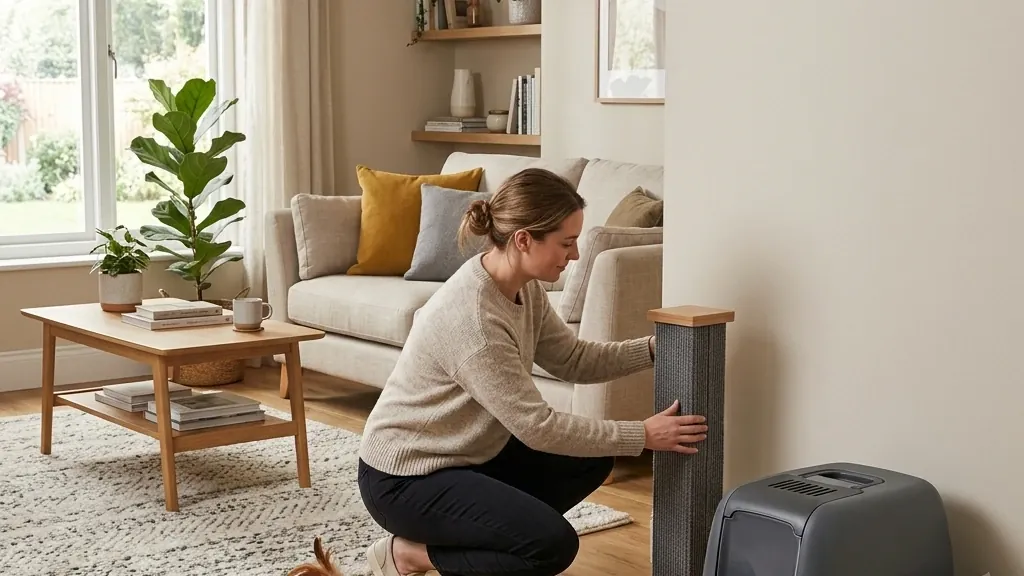
The single biggest first-week mistake is letting a new kitten roam everywhere at once. A whole house is overwhelming — new smells, hiding spots, and heights. Confine your kitten to one small room with a litter box, food, water, a bed, and a couple of toys.
Why a Safe Room Works
A small space helps your kitten find the litter box fast, feel secure, and learn your routine without panic. Keep the door closed and visit often. After 3–5 calm days, open the door and let them explore at their own pace. Kittens rarely need more than a week to graduate to the rest of the home.
Pro Tip: Put a worn t-shirt in the kitten’s bed. Your scent makes the new space feel familiar and reduces crying at night.
Skipping the Kitten-Proofing Pass
Kittens chew everything and squeeze into gaps you didn’t know existed. Before your kitten arrives, get on the floor and look at each room from their height.
- Toxic plants: lilies, azaleas, oleander, and sago palms
- Cords and cables: phone chargers, lamp cords, blind pulls
- Small objects: hair ties, rubber bands, earrings, twist ties, sewing pins
- Gaps: behind the fridge, under the stove, inside recliners and dryers
- Windows: unscreened windows and loose screens
Warning: Lilies are especially dangerous — even a small amount of pollen or water from the vase can cause kidney failure in cats. If you suspect your kitten ate something toxic, call your vet or a pet poison hotline immediately.
Feeding the Wrong Food
Kittens have small stomachs and specific nutritional needs. Two mistakes dominate week one: switching food too fast and offering cow’s milk.
Transition Slowly
Ask the breeder or shelter what food the kitten was eating and buy that exact brand and formula. If you want to switch, mix 25% new food with 75% old for three days, then 50/50, then 75/25, then all new — a 7–10 day process. Sudden changes cause diarrhea, which dehydrates kittens quickly.
Skip the Milk
Cow’s milk gives most cats diarrhea because they can’t digest lactose after weaning. Offer fresh water instead. If your kitten is under 8 weeks old and still nursing, use a commercial kitten milk replacer, never cow’s milk.
| Age | Meals per Day | Food Type |
|---|---|---|
| 4–6 weeks | 4–5 | Wet food gruel or milk replacer |
| 6–12 weeks | 4 | Wet food, or wet + dry |
| 3–6 months | 3 | Wet food, or wet + dry |
Delaying the First Vet Visit
Book a vet appointment within 48–72 hours of bringing your kitten home. Even a healthy-looking kitten can carry parasites, upper respiratory infections, or worms. The first visit covers a full physical exam, weight check, fecal test, deworming, and the start of the vaccine series.
What to Bring
- Any paperwork from the breeder or shelter
- A stool sample in a sealed bag
- Notes on appetite, energy, and litter box habits
The American Veterinary Medical Association maintains guidance on kitten vaccination schedules that your vet will follow. Core vaccines typically start at 6–8 weeks and repeat every 3–4 weeks until 16 weeks old.
Litter Box Blunders
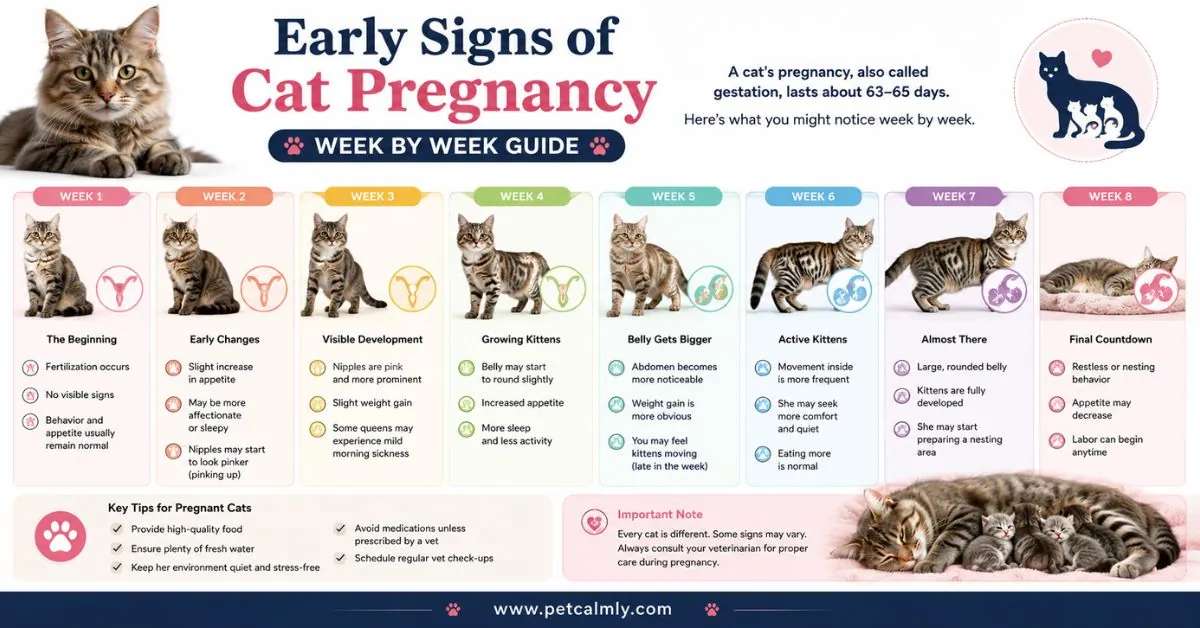
Litter box problems are the number one reason cats end up in shelters, and most start with setup mistakes in week one.
Box Rules
- One box per cat, plus one. A single kitten needs two boxes.
- Shallow sides. Kittens can’t climb into deep boxes. Use a low-sided pan or a baking dish at first.
- Unscented litter. Scented litters and crystals irritate tiny noses.
- Scoop daily, dump weekly. Kittens won’t use a dirty box.
- Location matters. Put boxes away from food, water, and noisy appliances.
Pro Tip: If your kitten has an accident, don’t scold them. Clean it with an enzymatic cleaner and place the mess in the litter box so they learn the spot.
Playing With Hands and Fingers
Wiggling fingers under a blanket seems harmless, but it teaches your kitten that hands are toys. That lesson sticks — and it hurts when they’re 10 pounds and still attacking hands.
What to Do Instead
- Use wand toys, balls, and crinkle mice for active play
- Offer a stuffed kicker toy for biting and bunny-kicking
- Stop play the moment teeth touch skin, then redirect to a toy
- Play in 10–15 minute sessions, 2–3 times a day
Kittens have lots of energy and need outlets. A tired kitten is a well-behaved kitten.
Overlooking Sleep and Warmth Needs
Kittens sleep 16–20 hours a day and can’t regulate their body temperature well until about 8 weeks old. A cold kitten won’t eat and can get sick fast.
- Provide a heated bed or a blanket-wrapped hot water bottle on low
- Keep room temperature around 70°F
- Give a quiet, draft-free sleeping spot
- Let them sleep — don’t wake a sleeping kitten to play
Handling the Kitten Too Much (or Too Little)
Both extremes cause problems. Too much handling in the first 48 hours stresses a kitten and can trigger hiding and hissing. Too little handling misses the critical socialization window, which closes around 9–14 weeks.
The Right Amount
Aim for several short, gentle sessions per day. Pick the kitten up, hold them against your chest, stroke their head and back, then set them down before they squirm. Pair handling with treats. Let children participate only with supervision and calm voices.
Ignoring the Bond With Other Pets
If you have a dog or another cat, don’t toss them together and hope for the best. Do a slow introduction.
| Day | Step |
|---|---|
| 1–3 | Keep pets separated; swap bedding so they learn each other’s scent |
| 4–6 | Feed on opposite sides of a closed door |
| 7+ | Short supervised visits through a baby gate |
Rushing this step creates fear and aggression that can last for months. Slow is fast.
Missing the Signs of Illness
Kittens crash fast. Know the red flags and call your vet if you see any of them.
- Refusing food for more than 12 hours
- Vomiting or diarrhea lasting more than a day
- Lethargy, hiding, or not playing
- Discharge from eyes or nose
- Straining in the litter box or no urine for 12+ hours
Warning: A kitten that stops eating can develop life-threatening liver problems within 24–48 hours. Don’t wait to see if they “snap out of it.”
Frequently Asked Questions
How long should I keep my new kitten in one room?
Plan on 3–7 days in a single kitten-proofed room. Once your kitten eats, uses the litter box, and seems relaxed, open the door and let them explore the rest of the home at their own pace. Rushing this step often causes hiding and litter box accidents.
Should I give my kitten a bath in the first week?
Usually no. Most kittens groom themselves and a bath can chill or stress them. If they arrive dirty or have fleas, use a warm damp cloth or a kitten-safe wipe. Ask your vet before using any flea product — many dog products are toxic to cats.
How much should a 8-week-old kitten eat?
Most 8-week-old kittens eat about ¼ to ½ cup of dry food per day, split into four small meals, or roughly one 3-ounce can of wet food divided across the day. Adjust based on body condition and your vet’s advice.
Can my kitten sleep in my bed the first week?
You can, but many owners start kittens in a small room or a cozy bed near their own. A kitten loose in a bedroom at night can get into cords, curtains, and small objects. A crate or a closed-off safe room is safer until they’re older.
Why is my kitten hiding and not eating?
Hiding is normal for the first 24–48 hours in a new home. Offer food and water nearby, keep the room quiet, and limit handling. If your kitten hasn’t eaten in 12 hours or is still hiding after three days, call your vet.
When can my kitten meet other cats and dogs?
Start scent swapping on day one, then move to feeding on opposite sides of a closed door by day four. Supervised face-to-face visits usually begin after a week. Go slower if either animal shows stress, hissing, or growling.
Conclusion
The first week is a lot of work, but the payoff lasts a lifetime. Pick one thing from this list — the safe room, the vet visit, or the slow food transition — and handle it today, then layer in the rest over the next few days.
