
To check a kitten for dehydration, gently lift the skin between their shoulder blades; if it stays tented, the kitten is likely dehydrated. Having fostered dozens of fragile kittens over the years, I know exactly how quickly their tiny bodies can lose precious fluids. A kitten’s health can shift in a heartbeat, and knowing how to check a kitten for dehydration is a vital skill every pet owner should possess. In this guide, I will share the signs to watch for and the professional techniques I use to keep my rescues safe and hydrated.

Understanding the Physical Signs of Dehydration in Kittens
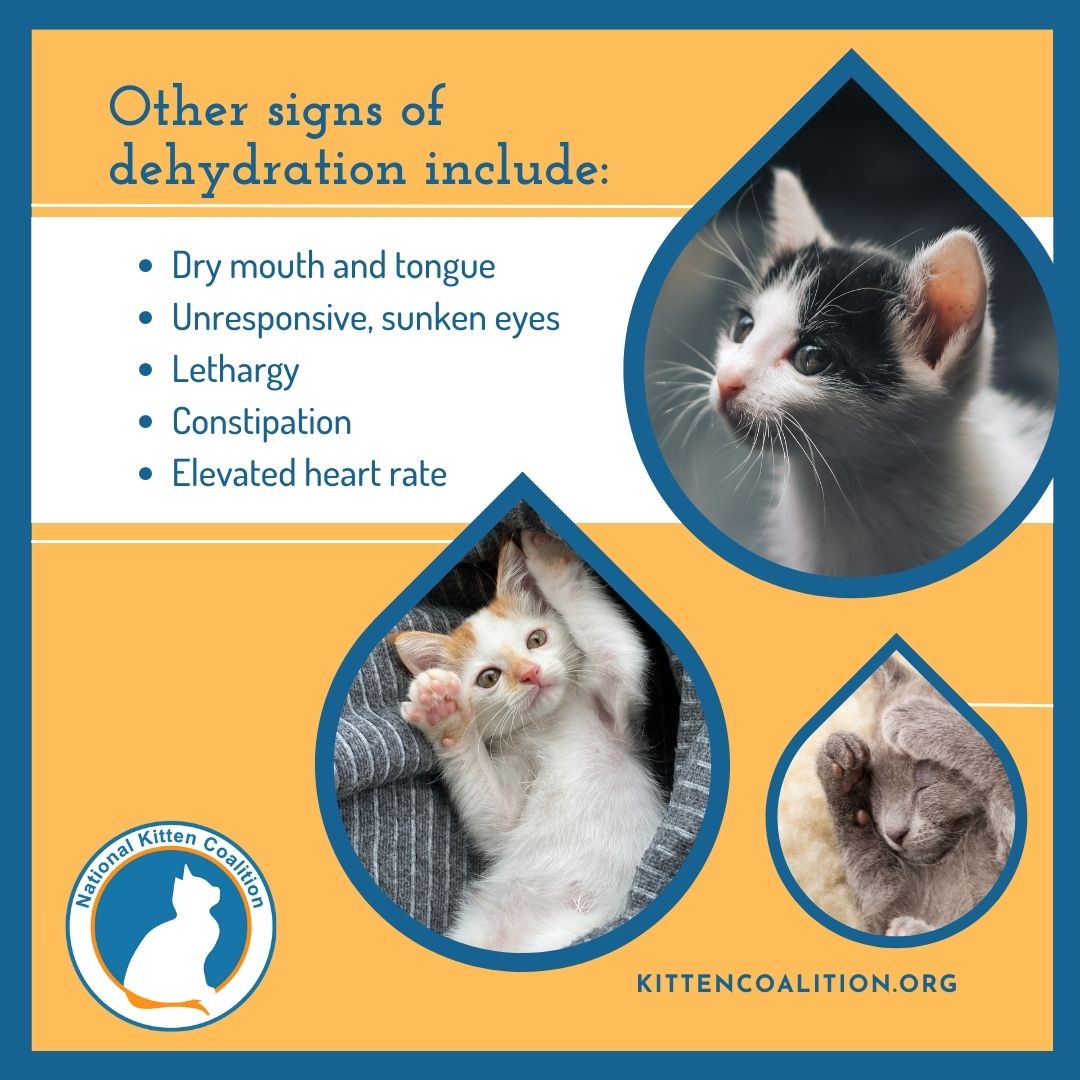
Kittens are incredibly susceptible to fluid loss because their small bodies lack significant reserves. When I first started rescuing, I learned the hard way that a kitten can go from playful to critical within hours. Beyond the skin tent test, you should observe their overall behavior and physical state.
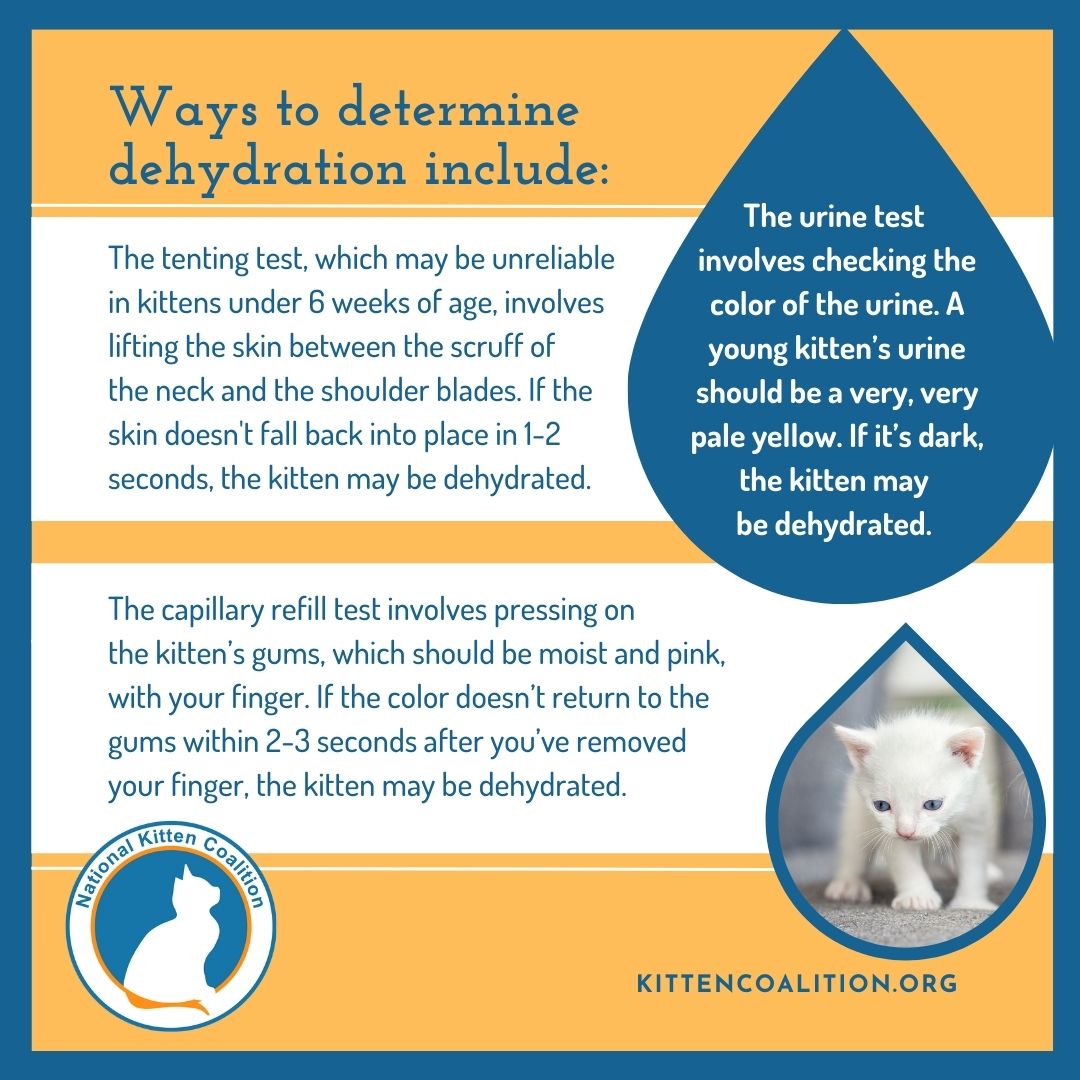
One of the most reliable indicators is their gums. Healthy gums should be pink and moist to the touch. If you press your finger gently against their gums and the color takes longer than two seconds to return to pink, this capillary refill time is a major red flag. Always keep a close eye on their energy levels as well, since lethargy is a silent symptom that often accompanies a lack of fluids.
Source: kittencoalition.org
How to Perform the Skin Tent Test Correctly
The skin tent test is the gold standard for checking hydration levels at home, but it requires a gentle touch. To perform this, place your hand over the kitten’s shoulders and lightly pinch a small amount of skin. When you let go, the skin should snap back into place instantly.
If the skin remains in a ridge or slowly sinks back down, it indicates a loss of skin elasticity. This is a clear warning sign of dehydration. If you notice this, you should immediately consider a visit to the veterinarian, as kittens can dehydrate much faster than adult cats. Practice this on a healthy kitten first so you know exactly what normal skin elasticity feels like.

Source: youtube.com
Other Vital Indicators to Watch
Dehydration rarely happens in isolation, and observing the environment and bodily functions is key. If your kitten is using the litter box, check the frequency and consistency of their waste. Reduced urination or very small, hard stools are clear signals that the body is trying to conserve water.
Also, check the moisture of their nose and eyes. While a dry nose is not always a definitive sign of illness, it can be a secondary indicator when combined with other symptoms. I always track how much water and wet food my kittens consume daily, as subtle changes in appetite often precede clinical signs of dehydration.
Source: kittencoalition.org
Frequently Asked Questions of How to check a kitten for dehydration
How much water should a kitten drink daily?
A healthy kitten typically needs about one ounce of water per pound of body weight each day. This intake often comes from a mix of wet food and fresh water from a shallow bowl.
Can I give my dehydrated kitten water with a syringe?
You should be very careful when syringe feeding to avoid getting liquid into the lungs. If the kitten is lethargic or unresponsive, do not attempt home treatment and seek emergency veterinary care immediately.
Why do kittens dehydrate so quickly?
Kittens have a high surface-area-to-body-mass ratio, which leads to faster fluid evaporation. Their kidneys are also still developing and are less efficient at conserving water compared to adult cats.
Are there electrolytes I can give a kitten?
Only use electrolyte solutions specifically formulated for pets or those recommended by your veterinarian. Avoid human sports drinks as they often contain sugars and salts that can be toxic to kittens.
Is excessive grooming a sign of dehydration?
Sometimes, a kitten may groom excessively if they are feeling discomfort or stress from internal issues. While it is not a direct symptom of dehydration, any major change in grooming habits warrants a checkup.
Conclusion
Detecting dehydration early can truly be the difference between a quick recovery and a life-threatening emergency. By monitoring skin elasticity, gum moisture, and daily habits, you can provide the best care for your growing companion. Remember that you know your kitten best, so if your gut tells you something is wrong, trust your instincts and reach out to a professional. Take a moment today to observe your kitten’s hydration habits and keep a close watch on their daily needs. If you found this information helpful, please share it with other pet parents or leave a comment below about your own kitten care experiences!
