
Finding a newborn kitten without its mother can be a heart-wrenching experience. You want to help, but the little one’s needs can feel overwhelming and complicated.
The good news is, you can give that tiny kitten the care it needs to survive and thrive—even without a mother cat around. In this guide, you’ll learn the essential steps to keep your newborn kitten warm, fed, and healthy.
From feeding tips to creating a safe environment, every detail matters when you’re the kitten’s lifeline. Keep reading to discover how you can become the hero this fragile life depends on.
Credit: www.dovelewis.org
Warmth And Comfort
Newborn kittens cannot regulate their body temperature well. They need external warmth to stay healthy. Providing warmth and comfort helps them grow strong and safe. Without a mother, keeping a kitten warm is a top priority. Cold kittens can become weak and sick fast.
Safe Heat Sources
Use a heating pad set on low for steady warmth. Wrap it in blankets or towels before placing the kitten on it. This prevents direct contact and skin burns. Another option is a warm water bottle wrapped in cloth. Avoid electric blankets as they can overheat quickly. Always leave space for the kitten to move away from heat if needed.
Creating A Cozy Nest
Choose a small box or basket for the kitten’s nest. Line it with soft blankets or towels for comfort. Make sure the bedding is clean and dry at all times. Place the nest in a quiet, draft-free spot away from windows and fans. Add some soft toys or fabric scraps to mimic the feeling of siblings or a mother.
Monitoring Temperature
Keep the kitten’s environment between 85°F and 90°F for the first week. Use a room thermometer to check the temperature regularly. If it feels too warm or cold, adjust the heat source or move the nest. Watch for signs of overheating like panting or restlessness. Keep the kitten warm but never too hot.
Feeding Essentials
Feeding a newborn kitten without its mother needs careful attention. The right milk and feeding method keep the kitten healthy. Feeding too little or too much can harm the kitten.
Understand the basics of feeding to support the kitten’s growth and comfort.
Choosing Kitten Milk Replacer
Use only kitten milk replacer (KMR) made for newborn kittens. Cow’s milk causes stomach problems and diarrhea. KMR has the right nutrients to help kittens grow strong. Find KMR at pet stores or from your vet. Avoid homemade milk formulas unless approved by a vet.
Proper Bottle Feeding Techniques
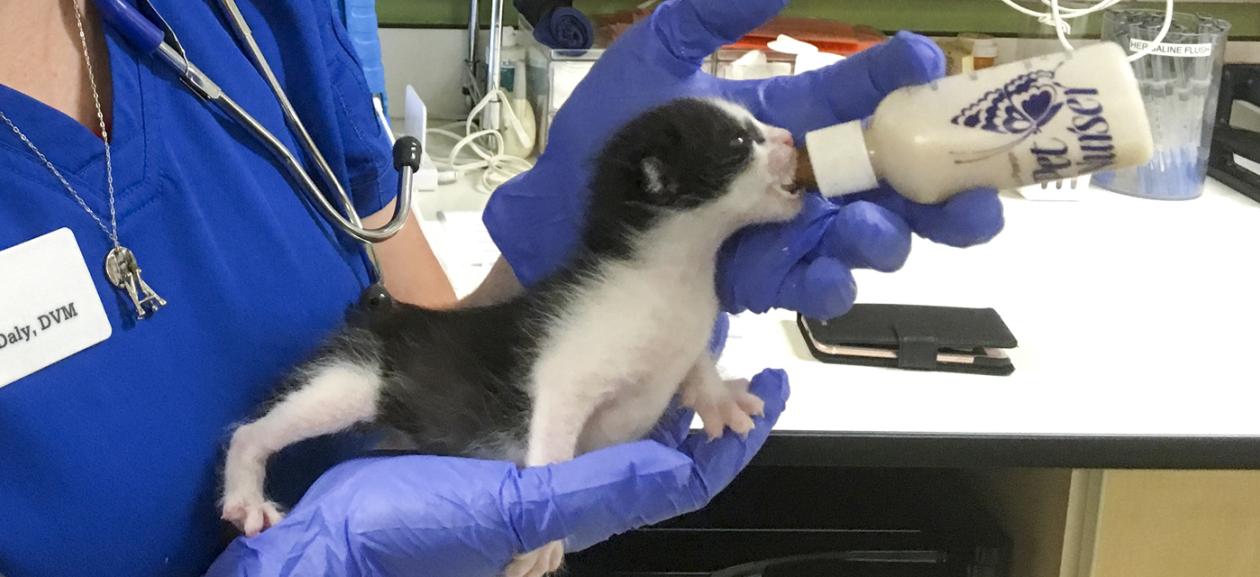
Hold the kitten on its belly, not on its back. This position stops milk from going into the lungs. Use a small bottle with a slow-flow nipple. Warm the milk to about body temperature. Test the milk on your wrist before feeding. Feed slowly and gently. Watch the kitten swallow to avoid choking.
Feeding Schedule And Amounts
Newborn kittens eat every 2 to 3 hours, day and night. Feed small amounts often. Gradually increase the amount as the kitten grows. Follow the instructions on the KMR package for amounts based on age and weight. After feeding, gently rub the kitten’s bottom to help it go to the bathroom.
Stimulating Elimination
Newborn kittens cannot eliminate waste on their own without their mother’s help. Stimulating elimination is vital for their health and comfort. This process mimics the mother’s licking to encourage urination and defecation. It prevents infections and keeps the kitten clean. Learning how to do this gently and correctly is essential for every caretaker of orphaned kittens.
How To Encourage Urination And Defecation
After feeding, use a soft, warm, damp cotton ball or tissue. Gently rub the kitten’s genital and anal areas in a circular motion. Keep rubbing until the kitten urinates or defecates. This usually takes a few minutes. Be patient and gentle to avoid hurting the kitten. Clean the kitten’s bottom with a fresh damp cloth afterward to prevent irritation.
Tools And Materials Needed
- Soft cotton balls or soft tissues
- Warm water to dampen the cotton or tissue
- Clean towels for drying and cleaning
- Disposable gloves (optional for hygiene)
- Plastic bag or container for waste disposal
Timing After Feeding
Stimulate elimination immediately after each feeding. This timing helps the kitten empty its bladder and bowels properly. Usually, kittens need help every two to three hours. Observe the kitten’s behavior to adjust timing if needed. Regular stimulation supports healthy digestion and prevents discomfort.

Credit: www.acvhweb.com
Health Monitoring
Monitoring the health of a newborn kitten without a mother is vital. These tiny creatures need constant care to thrive. Keeping an eye on their growth and spotting any health issues early can save their lives. Health monitoring helps you provide timely help and avoid serious problems.
Tracking Weight And Growth
Weigh the kitten daily using a small scale. Record the weight to track progress. Healthy kittens gain about 10 to 15 grams each day. Lack of weight gain may signal a problem. Use a notebook or app to keep all records. Growth charts for kittens can guide you.
Recognizing Signs Of Illness
Watch for changes in behavior or appearance. Poor appetite, vomiting, or diarrhea are warning signs. Look for breathing difficulties or unusual sounds. Cold ears or body indicate low temperature. Swollen belly or eye discharge also needs attention. Early recognition helps prevent worsening conditions.
When To Seek Veterinary Care
Contact a vet if the kitten is weak or not feeding well. Sudden weight loss or refusal to eat requires immediate help. Any signs of dehydration or difficulty breathing are emergencies. Persistent diarrhea or vomiting must be checked. Trust your instincts; better to be safe than sorry.
Safe Environment Setup
Setting up a safe environment is vital for a newborn kitten without its mother. The right space keeps the kitten warm, secure, and comfortable. It also protects the little one from dangers. A well-prepared area supports healthy growth and reduces stress.
Focus on three main aspects: choosing the right enclosure, keeping it clean, and preventing hazards. Each step helps create a safe home for your fragile kitten.
Choosing The Right Enclosure
Pick an enclosure that is cozy and secure. A small box or a pet carrier works well. Line it with soft blankets or towels for warmth. Make sure the enclosure is big enough for the kitten to move but small enough to feel safe.
Place the enclosure in a quiet spot, away from drafts and loud noises. Avoid direct sunlight and cold floors. Keep the kitten’s bedding dry and change it often to keep the area fresh.
Keeping The Area Clean
Cleanliness helps prevent infections and illness. Remove soiled bedding daily. Use mild, pet-safe cleaners if needed. Avoid strong chemicals that can harm the kitten’s sensitive skin and lungs.
Wash your hands before and after handling the kitten. This stops germs from spreading. Regular cleaning also keeps the kitten comfortable and happy.
Preventing Hazards
Look for things that can harm the kitten. Remove small objects that the kitten might swallow. Hide electrical cords and keep toxic plants out of reach. Block off areas where the kitten can get stuck or fall.
Check the temperature regularly. Use a heating pad on low with a towel over it to avoid burns. Always let the kitten move away from the heat if it feels too warm. This careful setup keeps the kitten safe and healthy.

Credit: www.youtube.com
Socialization And Handling
Socialization and handling are key to raising a healthy newborn kitten without a mother. Early contact with humans helps the kitten trust people. Proper handling builds a strong bond and supports emotional growth. Social experiences shape how the kitten will behave around others later in life. Careful introduction to other pets can prevent fear and aggression. Encouraging normal development through play and gentle touch improves confidence and skills.
Gentle Touch And Bonding
Always use a soft and gentle touch when holding the kitten. Support their small body fully to avoid stress or injury. Speak softly to calm the kitten and help it feel safe. Spend time cuddling and stroking to build trust. This close contact helps the kitten feel loved and secure. Handle the kitten several times daily for short periods. This practice strengthens your bond and prepares the kitten for future handling.
Introducing To Other Pets
Introduce other pets slowly and carefully to the kitten’s space. Allow the kitten to observe from a distance first. Watch for signs of stress or fear in all animals. Keep initial meetings short and positive. Never force interaction; let the kitten approach at its own pace. Use treats or toys to create good associations. This helps the kitten learn to be comfortable around other pets.
Encouraging Normal Development
Encourage the kitten to explore its environment safely. Provide soft toys and gentle playtime every day. Play helps the kitten develop coordination and strength. Mimic natural behaviors like pouncing and chasing. Allow the kitten to rest often to avoid tiredness. Praise calm behavior to build confidence. These activities support healthy growth and social skills.
Frequently Asked Questions
How Do You Keep A Newborn Abandoned Kitten Alive?
Keep the kitten warm using a heating pad with blankets. Feed kitten milk replacer carefully, belly down. Stimulate urination and defecation after feeding. Weigh the kitten daily to monitor health. Seek immediate veterinary help if lethargic or not feeding.
How Long Will A Newborn Kitten Survive Without Its Mother?
A newborn kitten can survive without its mother for only a few hours to one day. Immediate care with warmth and feeding is vital.
What Not To Do With A Newborn Kitten?
Never feed cow’s milk or hold a kitten on its back while feeding. Avoid sudden temperature changes and do not skip stimulating elimination after feeding. Keep them warm but allow cooling areas. Avoid rough handling and ignore signs of illness.
What Is The 3 3 3 Rule For Kittens?
The 3 3 3 rule for kittens means feeding every 3 hours, stimulating elimination after feeding, and weighing them every 3 days to monitor growth.
Conclusion
Caring for a newborn kitten without a mother takes patience and love. Keep the kitten warm and feed it with kitten milk replacer carefully. Gently help with bathroom needs after each feeding. Watch its weight and energy closely every day.
Seek veterinary help quickly if the kitten seems weak or sick. These simple steps can give a motherless kitten a healthy start in life. Small efforts make a big difference in their survival and happiness.
