
Bringing a new kitten into your home can be exciting, but introducing that playful little ball of energy to your older cat requires care and patience. You want both cats to feel safe and comfortable, not stressed or threatened.
If you rush the introduction, it could lead to hissing, hiding, or worse—long-term tension between your pets. But don’t worry, you can make this transition smoother for everyone. You’ll discover simple, step-by-step tips to help your older cat accept the new kitten with less stress and more harmony.
Keep reading to find out how to set up your home, manage their first meetings, and handle any bumps along the way—so your cats can become friends, not foes.
Prepare A Safe Space
Preparing a safe space is the first step to a smooth introduction between your new kitten and older cat. This space acts as a secure zone where the kitten can adjust to its new home without feeling overwhelmed. It also helps your older cat feel less threatened by the newcomer.
Set Up A Separate Room
Choose a quiet room with a door that closes securely. This keeps the kitten away from the older cat at first. The room should be small enough to feel cozy but big enough for the kitten to explore.
Keep the kitten in this room for several days. This time helps the kitten settle in and reduces stress for both cats. It also prevents sudden encounters that can lead to fear or aggression.
Include Essentials For The Kitten
Place food and water bowls in the safe room. Make sure they are clean and easily accessible. Add a litter box in a quiet corner for the kitten to use.
Provide a comfortable bed or blanket for warmth. Include toys for play and mental stimulation. A scratching post is useful to encourage healthy behavior.
Limit Initial Interaction
Keep the kitten and older cat separated at first. Let them get used to each other’s scent without meeting face-to-face. You can swap blankets or toys between them to share smells safely.
Use a baby gate or a cracked door for short, supervised glimpses. Keep these meetings brief and positive. Use toys or treats to distract both cats and reduce tension.
Use Scent Swapping
Using scent swapping is a gentle way to help your older cat and new kitten get used to each other. Cats rely on their sense of smell to understand their surroundings. Introducing their scents gradually lowers stress and builds familiarity. This method helps both cats feel safer before any direct meeting happens.
Exchange Blankets Or Toys
Swap blankets or toys that the kitten and older cat have used. Place the kitten’s blanket near the older cat’s resting area. Put the older cat’s blanket in the kitten’s space. This allows each cat to smell the other in a calm way. It creates a connection without face-to-face contact.
Encourage Familiar Scents
Use your hands to gently rub one cat and then the other. Transfer the scent by petting both cats with the same hand. This helps blend their smells and makes them more familiar. You can also use soft cloths to collect scents and place them near the cats.
Avoid Direct Contact
Keep the kitten and older cat in separate rooms at first. Let them sniff under doors or through baby gates. Avoid forcing them to meet too soon. Use toys to distract and keep their focus away from each other. This prevents fear and aggression during early introductions.
Begin Visual Introductions
Begin visual introductions with care to help your older cat and new kitten adjust. This step reduces stress and builds curiosity safely. Visual contact allows them to observe each other without direct contact. It sets the stage for a smoother relationship later.
Use Baby Gates Or Crates
Place a baby gate between the two cats to allow safe viewing. The older cat can see the kitten without feeling threatened. A crate works well for the kitten’s safety and comfort. This setup helps both cats get used to each other’s presence.
Observe Body Language
Watch for signs of curiosity or stress during visual introductions. Ears forward and relaxed posture show interest. Hissing, growling, or flattened ears signal discomfort. Pause the interaction if either cat shows fear or aggression. Respect their feelings to avoid conflict.
Keep Interactions Short
Limit visual meetings to a few minutes at first. Short sessions prevent overwhelming either cat. Gradually increase the time as they grow more comfortable. Always end on a positive note with calm behavior. This helps build trust and reduces anxiety.
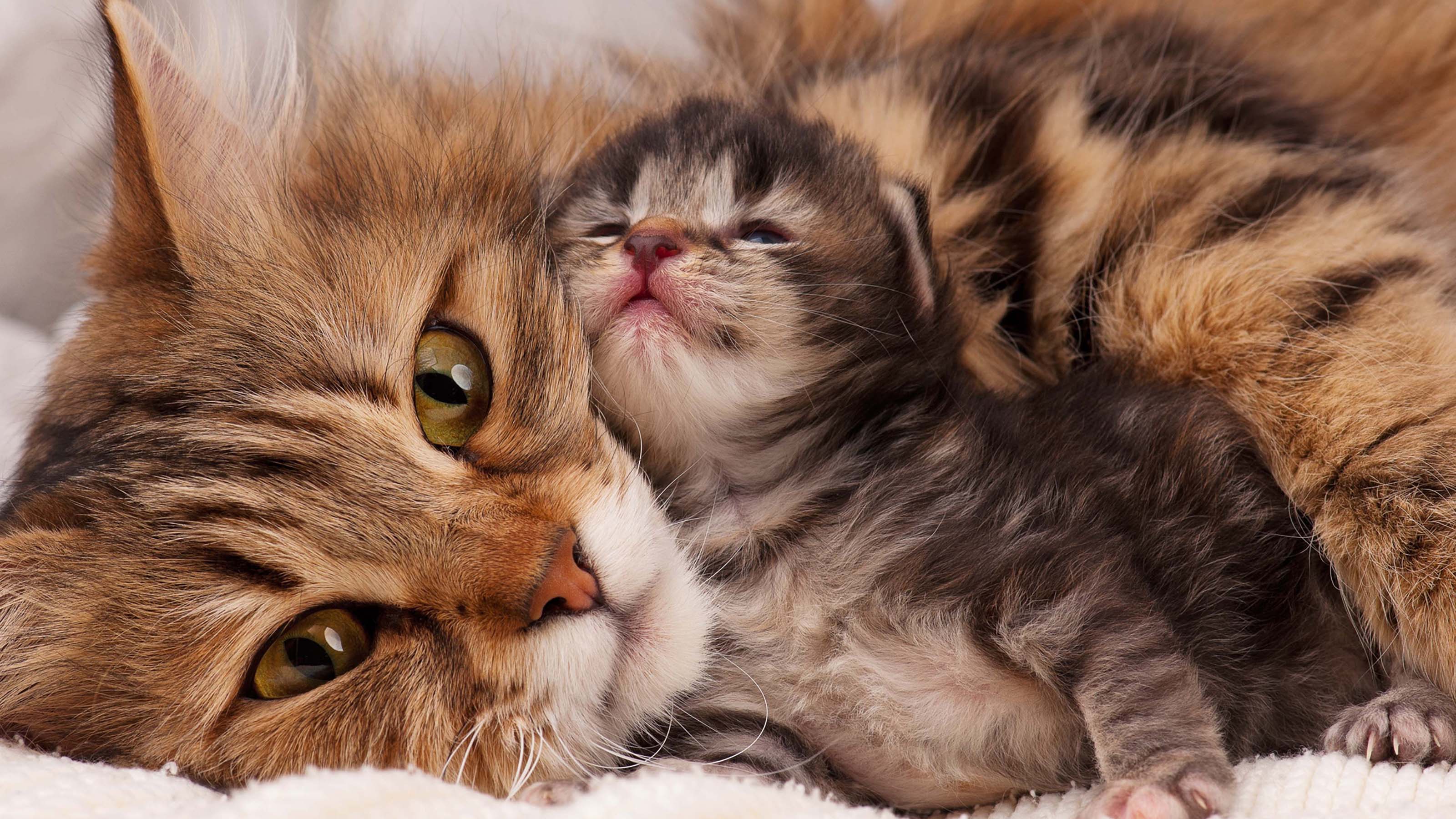
Credit: www.vets4pets.com
Encourage Positive Play
Encouraging positive play between a new kitten and an older cat helps build a friendly bond. Play reduces stress and creates fun moments for both cats. It teaches them to enjoy each other’s company in a safe way.
Using play as a bridge helps to break tension and keeps their focus on something enjoyable. This approach reduces chances of aggression and helps both cats feel more relaxed. Here are ways to encourage positive play during introductions.
Use Interactive Toys
Interactive toys keep cats engaged and active together. Toys like wand teasers or laser pointers invite both cats to chase and pounce. This shared activity creates a positive connection. Choose toys that encourage gentle play and avoid anything that could cause fights.
Distract From Tension
Play distracts cats from feeling threatened by each other. When you notice signs of tension, bring out a favorite toy. Moving the toy around guides their attention away from staring or hissing. This distraction helps break up negative energy and resets their mood.
Reward Calm Behavior
Giving treats or praise when cats play nicely encourages good habits. Reward calm, gentle interactions between the kitten and older cat. This positive feedback teaches them that peaceful behavior leads to rewards. Keep rewards consistent to build trust and friendliness.
Recognize Problem Behaviors
Recognizing problem behaviors during the introduction of a new kitten to an older cat is crucial. Early detection helps prevent serious conflicts and stress. Pay close attention to their interactions and body language. Understanding these signs keeps both cats safe and comfortable.
Watch For Aggression
Aggression shows as hissing, growling, or swatting. Look for raised fur and stiff postures. Biting or scratching that breaks the skin is a serious sign. Persistent chasing or cornering also counts as aggression. Intervene gently if you see these behaviors.
Identify Stress Signs
Stress can cause hiding or loss of appetite. Excessive grooming or vocalizing signals anxiety. Changes in litter box habits may indicate discomfort. Watch for trembling or restlessness. Stress signs mean the cats need more time apart.
When To Separate Them
Separate cats if aggression escalates or injuries occur. Immediate separation is vital if either cat shows panic. Use a safe space for each cat to calm down. Reintroduce slowly after a break. Separation helps reduce tension and avoid fights.
Maintain Routines
Keeping your older cat’s daily routine steady helps reduce stress during kitten introductions. Cats feel safe with familiar habits. A steady routine can ease tension and build trust between your pets.
Try to keep your older cat’s schedule as normal as possible. This includes feeding, playtime, and affection. It shows your cat it still matters and life goes on.
Keep Feeding Times Consistent
Feed your older cat at the same times each day. Avoid changing food types or locations suddenly. This consistency reassures your cat. It helps them feel secure amid new changes.
Give the kitten separate feeding areas. This prevents fights and food guarding. Use slow, calm feeding times to keep peace.
Continue Regular Play And Affection
Play with your older cat daily. Use favorite toys to keep them active and happy. Give plenty of gentle petting and attention. This shows love and keeps their mood positive.
Do not stop your usual affection. The kitten will learn from your cat’s calm behavior. It also prevents jealousy and helps both cats bond.
Avoid Punishing Defensive Behavior
Older cats may hiss or swipe at the kitten at first. This is normal. It is their way to set boundaries and feel safe.
Never punish these actions. Punishment increases fear and stress. Instead, give your cat space and time to adjust. Reward calm behavior to encourage peace.
Be Patient And Observant
Introducing a new kitten to an older cat requires patience and careful observation. Cats need time to adjust to big changes in their environment. Watching their reactions closely helps you understand their feelings. This approach reduces stress and builds trust between the two cats.
Allow Time For Adjustment
Every cat adjusts at its own pace. Some older cats may take days or weeks to feel comfortable. Give both cats space to explore and get used to new smells. Do not rush their meetings. Allow them to grow curious naturally. Patience helps prevent fear and aggression.
Respect Older Cat’s Boundaries
Older cats may feel threatened by a new kitten. Let them set the rules for interaction. Avoid forcing them to share spaces or toys too soon. Watch for signs like hissing or hiding. These are signals to give the older cat more time alone. Respecting boundaries builds trust and peace.
Celebrate Small Progress
Notice every little positive change. A brief sniff or calm glance is a good sign. Praise your cats with gentle words or treats after peaceful moments. These small wins encourage friendly behavior. Over time, these moments add up to a happy relationship.

Credit: www.youtube.com
Credit: ardmorerotary.org
Frequently Asked Questions
How Long Does It Take For A Cat To Accept A New Kitten?
A cat usually takes 1 to 4 weeks to accept a new kitten. Introduce them slowly, using scent swapping and supervised meetings. Patience and consistent routines help both cats adjust comfortably.
What Is The 3-3-3 Rule For Cats?
The 3-3-3 rule for cats means three days alone, three days scent swapping, and three days supervised visual introduction.
What Not To Do When Introducing Two Cats?
Do not force immediate face-to-face meetings. Avoid ignoring signs of stress or aggression. Do not mix their belongings too soon. Never punish defensive behavior. Avoid sudden routine changes during introductions.
How Do I Get My Older Cat To Accept A Kitten?
Keep the kitten in a separate room for a few days. Swap their scents using blankets or toys. Allow brief, supervised visual meetings. Use toys to distract and encourage positive interaction. Be patient and maintain your older cat’s routine to reduce stress.
Conclusion
Introducing a new kitten to an older cat takes time and patience. Start slow and let them adjust at their own pace. Use scent swapping and short, supervised meetings to build trust. Watch for signs of stress or aggression and give both cats plenty of attention.
Keeping routines steady helps both feel secure. With care, your older cat and new kitten can become good friends. Remember, every cat is different—stay calm and positive throughout the process.
