
A cat gaining weight is one of the most common concerns veterinarians hear, and it usually creeps up slowly — a pound here, a quieter play session there. Because cats are small, even two extra pounds can push them from ideal to obese. The good news is that most cases have identifiable causes and respond well to a clear plan you can build with your vet.
Key Takeaways

- Neutering is a top cause. Metabolism drops roughly 20–30% after spay/neuter, so food portions usually need to shrink.
- Indoor, middle-aged, inactive cats gain weight far more often than outdoor or young cats.
- Free-feeding dry food is the single easiest fix — measure meals instead of refilling the bowl.
- A healthy weight-loss pace is 0.5–2% of body weight per week. Faster is dangerous for cats.
- Never put a cat on a crash diet. Rapid weight loss can trigger hepatic lipidosis (fatty liver), which is often fatal.
- Weigh monthly and score body condition rather than trusting your eye alone.
Why Cats Gain Weight: The Main Causes
Weight gain happens when calories in exceed calories out. In cats, that imbalance usually traces back to one or more of these:
- Spay/neuter surgery. Hormonal changes lower resting energy needs, often by 20–30%. A cat fed the same amount as before surgery will gain.
- Free-feeding. A bowl that’s always full makes it impossible to know intake. Multi-cat homes make it worse.
- Indoor lifestyle. Indoor cats burn far fewer calories than outdoor cats and often get less structured play.
- Age. Middle-aged cats (roughly 5–10 years) are the most prone; activity naturally declines.
- High-carbohydrate or calorie-dense diets. Some foods are simply richer than a sedentary cat needs.
- Treats and table scraps. A single treat can be 10–20% of a cat’s daily calories. “Just a few” adds up fast.
- Boredom and stress. Some cats eat out of boredom or as a coping behavior.
- Medical conditions. Hypothyroidism (rare in cats), insulinoma, and fluid retention can mimic or cause weight gain. Pregnancy is also a possibility in unspayed females.
Hypothyroidism is far more common in dogs than cats, but it does occur and should be ruled out. In most cats, though, the cause is behavioral and dietary, not hormonal disease.
Is It Fat or Something Else?
Before assuming obesity, confirm what you’re actually seeing. Weight gain can be fat, fluid, or a growing abdomen from other causes.
| What You Notice | Likely Explanation | What to Do |
|---|---|---|
| Round belly, ribs hard to feel | Fat gain (obesity) | Diet and exercise plan |
| Swollen, fluid-filled abdomen | Ascites, heart or liver issue | Vet visit urgently |
| Sudden gain over days | Fluid retention | Vet visit urgently |
| Gradual gain over months | Calorie excess | Measure food, increase play |
| Firm, distended belly in female cat | Possible pregnancy | Vet confirmation |
Pro Tip: Run your hands along your cat’s sides. You should feel ribs easily under a thin fat layer. If you can’t feel them at all, that’s a body condition score of 8–9 out of 9 — obese.
How to Tell If Your Cat Is Overweight
Veterinarians use a body condition score (BCS) from 1 to 9. It’s more reliable than the scale alone because frame sizes vary.
- BCS 1–3: Too thin — ribs, spine, and hip bones visible.
- BCS 4–5: Ideal — ribs felt easily, visible waist behind the ribs from above.
- BCS 6–7: Overweight — ribs felt with slight pressure, waist barely visible.
- BCS 8–9: Obese — ribs not felt, no waist, obvious belly fat pad.
Weigh your cat monthly on a baby scale. A typical healthy adult cat weighs roughly 8–12 pounds, but ideal weight is individual — a large-framed cat may be healthy at 14 pounds.
Solutions: Diet Changes That Work
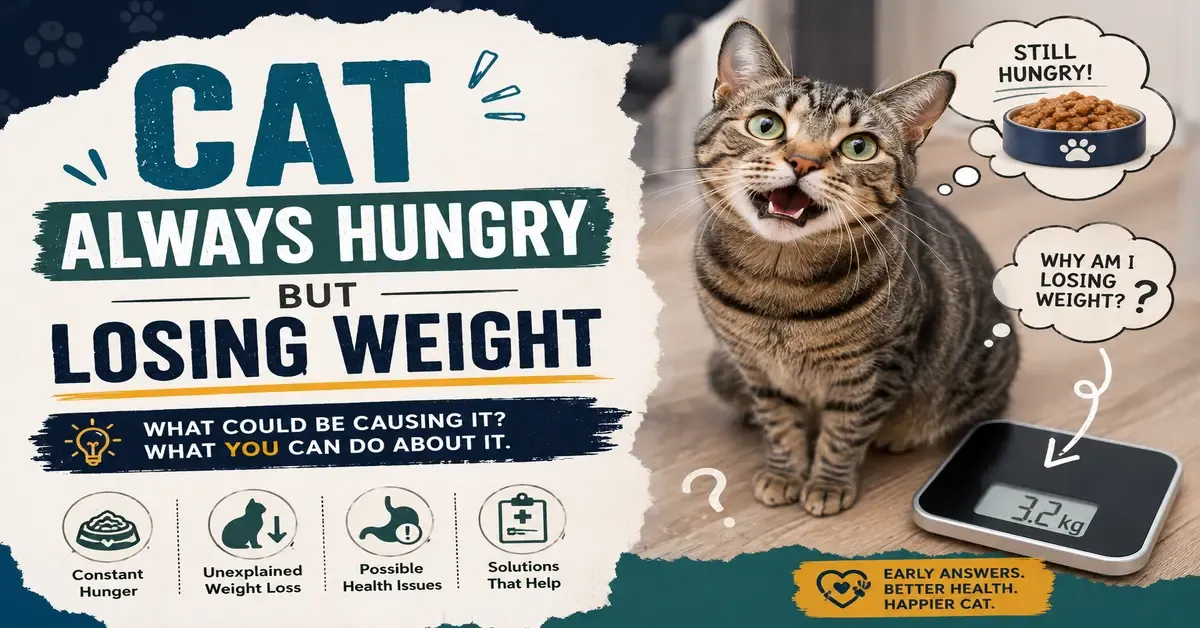
The core principle is simple: feed fewer calories, but do it safely and with the right nutrition.
| Step | What to Do | Why It Matters |
|---|---|---|
| 1. Get a target weight | Ask your vet for an ideal weight | Prevents guessing |
| 2. Calculate calories | Vet sets a daily calorie target | Usually 70–80% of current intake |
| 3. Switch to measured meals | Use a kitchen scale, not a scoop | Scoops vary wildly |
| 4. Choose a suitable food | High-protein, lower-carb wet or dry | Preserves muscle, keeps fullness |
| 5. Cut treats | Cap at 10% of daily calories | Treats derail most plans |
| 6. Recheck monthly | Adjust as weight drops | Metabolism shifts as they lose |
Warning: Don’t cut calories by more than about 20–30% without veterinary guidance. Severe restriction can cause hepatic lipidosis, a life-threatening liver condition.
Choosing the Right Food
- Wet food is often better for weight loss — higher water and protein, lower carbs.
- Prescription weight-management diets (such as Hill’s Metabolic or Royal Canin Satiety) are formulated to keep cats full while restricting calories.
- High-protein formulas help preserve lean muscle during weight loss.
If you’re unsure which commercial diets meet established nutrient standards, the AAFCO pet food labeling guidelines explain how to read the nutritional adequacy statement on the label.
Solutions: Exercise and Enrichment
Diet does most of the work, but activity matters — especially for indoor cats.
- Two 10–15 minute play sessions daily with a wand toy, laser pointer, or feather teaser.
- Food puzzles and treat balls — make them work for kibble instead of eating from a bowl.
- Multiple small meals instead of one or two large ones.
- Vertical space — cat trees and shelves encourage climbing and movement.
- Rotate toys weekly to prevent boredom.
Pro Tip: Put the food bowl upstairs or across the house so your cat has to walk to eat. Small changes compound.
When to See Your Vet
Book a visit if any of these apply:
- Sudden weight gain over days or weeks
- A pot-bellied, fluid-filled appearance
- Weight gain despite a measured, reduced diet
- Lethargy, vomiting, or changes in appetite or thirst
- Any cat gaining weight after starting a new medication
Your vet can run bloodwork to rule out thyroid, liver, and kidney issues, and set a safe calorie target.
Common Mistakes to Avoid
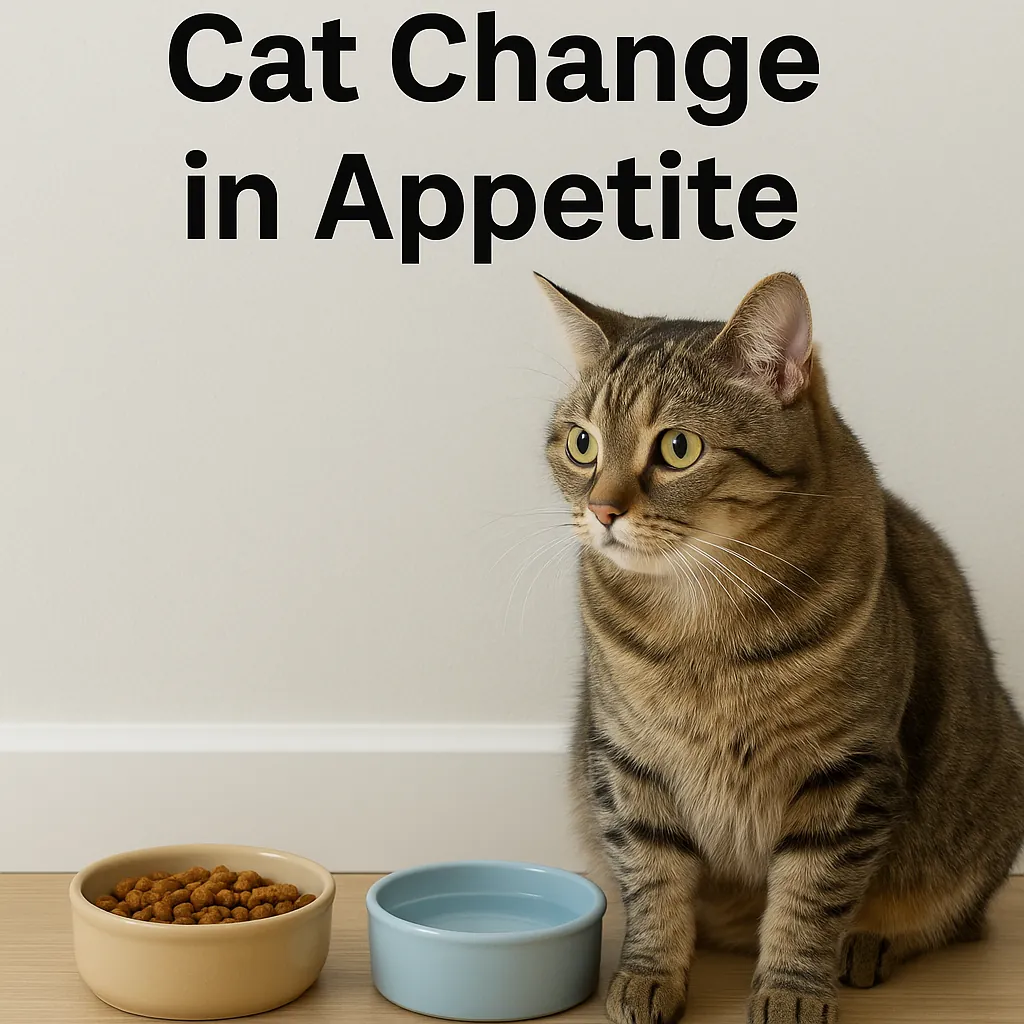
- Free-feeding “just a little” dry food. It’s the most common hidden calorie source.
- Cutting food too fast. Dangerous and unsustainable.
- Ignoring treats. Three or four treats can equal a meal.
- Weighing by eye. Owners routinely underestimate their cat’s weight by 1–2 pounds.
- Skipping the vet. Medical causes get missed when owners self-diagnose.
Frequently Asked Questions
How much weight can a cat safely lose per week?
A safe rate is about 0.5–2% of body weight per week. For a 12-pound cat, that’s roughly 0.06–0.24 pounds weekly. Faster loss risks hepatic lipidosis and muscle wasting, so your vet should set and monitor the pace.
Why did my cat gain weight after being spayed?
Spay surgery lowers metabolism by roughly 20–30%. If you kept feeding the same amount, the surplus becomes fat. Reducing portions and increasing play usually reverses it within a few months.
Can a cat lose weight without a prescription diet?
Yes. Measuring meals, switching to higher-protein wet food, and cutting treats can work. Prescription diets help because they’re calorie-controlled and keep cats full, but they aren’t always required.
Is my cat fat or just fluffy?
Long-haired cats look bigger than they are. Do the rib test: if you can’t feel ribs under a thin fat layer, it’s fat, not fur. A body condition score from your vet settles it.
Do indoor cats gain more weight than outdoor cats?
Generally yes. Indoor cats move less and burn fewer calories. Structured play and food puzzles help close the gap, but indoor cats still usually need smaller portions than outdoor cats.
How long does it take a cat to lose weight?
Most cats reach a healthy weight in 6–12 months, depending on how much they need to lose. Slow, steady loss protects muscle and liver health better than rapid dieting.
Conclusion
Start by booking a vet visit to rule out medical causes and get a target weight, then measure every meal with a kitchen scale instead of a scoop. That one change — accurate portions — is where most owners finally see the scale move. Weigh your cat monthly, adjust with your vet, and be patient: steady, safe loss beats a crash diet every time.
