
Grooming your cat should be a bonding experience, but what happens when your furry friend turns aggressive at the mere sight of a brush? If you’re struggling with an aggressive cat during grooming, you’re not alone—and there’s a way to make this process safer and less stressful for both of you.
You don’t have to dread grooming sessions or risk scratches and bites every time. This guide will walk you through practical, easy-to-follow steps that protect your skin, calm your cat, and help you get the job done smoothly. Ready to transform grooming time from a battle into a peaceful routine?
Keep reading to discover how.

Credit: www.youtube.com
Safety Gear For Grooming
Grooming an aggressive cat requires careful preparation to keep both you and your pet safe. Using the right safety gear reduces the risk of scratches and bites. It also helps the cat feel more secure during grooming sessions.
Choosing the proper gear is the first step in handling an aggressive cat. Protective clothing and special techniques can make the process smoother and safer.
Protective Clothing
Wear long sleeves made from thick material to protect your arms. Avoid loose clothing that a cat could grab. Durable fabrics like denim or canvas work best. Cover your legs with pants to prevent scratches. Closed-toe shoes protect your feet from accidental scratches.
Using Heavy-duty Gloves
Heavy-duty gloves shield your hands from bites and scratches. Choose gloves made of leather or thick rubber. Make sure they fit well to keep your hands flexible. Gloves allow you to hold the cat more firmly without injury. They also give you confidence during grooming.
Towel Burrito Technique
Wrap the cat gently in a towel to limit movement. This method is called the towel burrito. It helps calm the cat and prevents scratching. Use a large, soft towel for comfort. Leave the cat’s head exposed for breathing and vision. Secure the towel snugly but not too tight. This technique keeps the cat safe and easier to groom.
Calming Your Cat
Grooming an aggressive cat requires patience and care. Calming your cat before and during grooming helps reduce stress. A calm cat is easier to handle and less likely to lash out. Understanding ways to soothe your cat makes the grooming process safer for both of you.
Pre-grooming Medication Options
Some cats benefit from mild medication to ease anxiety. Consult your vet about safe options. These may include calming supplements or prescribed sedatives. Use medications only as directed by a professional. Medication can help your cat stay relaxed during grooming sessions.
Creating A Relaxing Environment
Set up a quiet, comfortable space for grooming. Use soft lighting and keep noise levels low. Play gentle music or white noise to soothe your cat. Have all grooming tools ready before you begin. A calm setting helps your cat feel safe and less stressed.
Recognizing Stress Signals
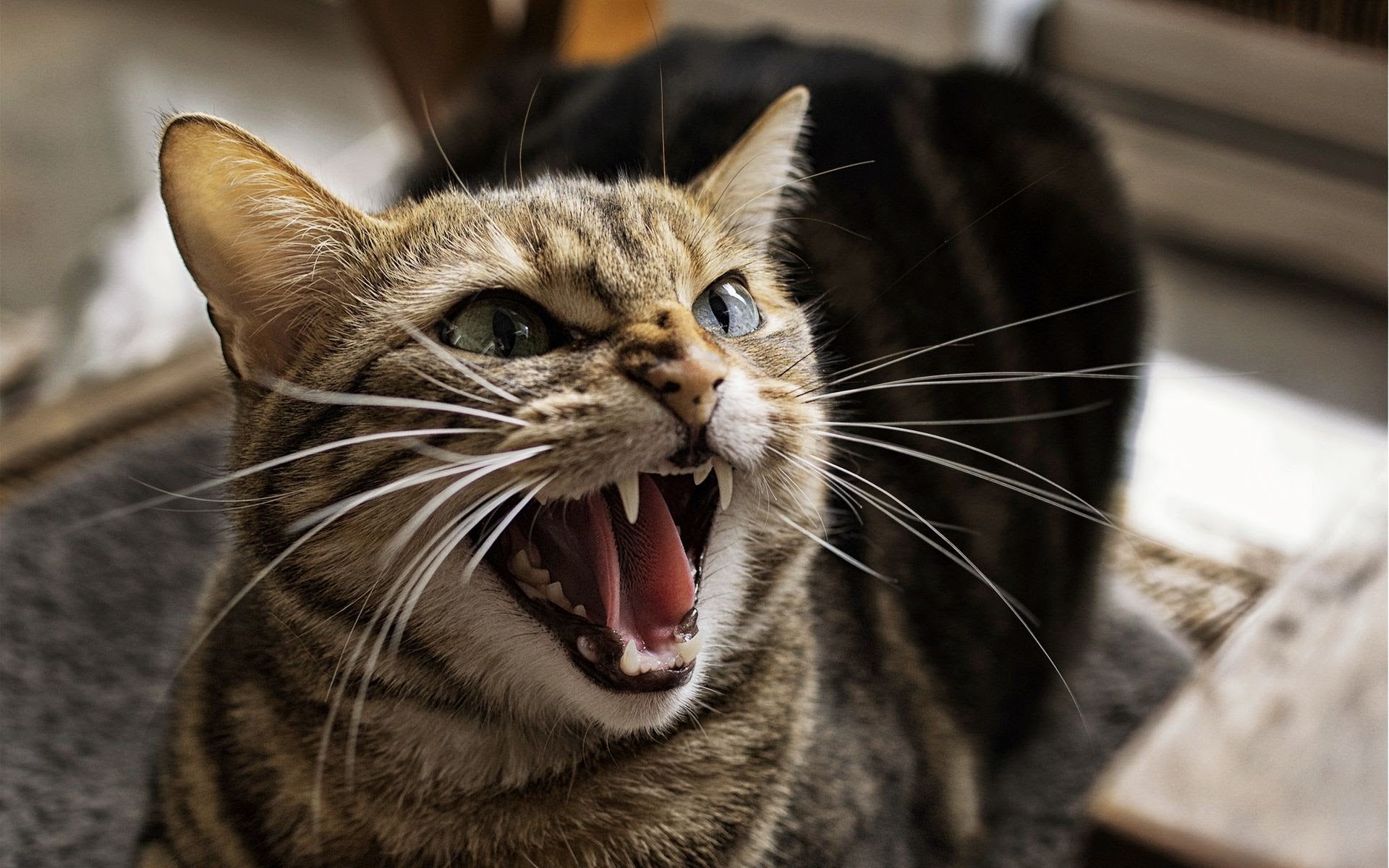
Watch for signs of anxiety in your cat. These include hissing, growling, or flattened ears. Rapid breathing or tail flicking are also warning signs. Stop grooming if your cat shows strong stress signals. Recognizing these signs early prevents aggressive behavior and injury.
Restraining Techniques
Restraining an aggressive cat during grooming helps keep both you and the cat safe. Using the right techniques reduces stress and makes grooming easier. Gentle but firm control prevents sudden movements and scratches. Choose methods that calm your cat and limit its ability to lash out. Below are effective restraining techniques for aggressive cats.
Proper Wrapping Methods
Wrapping your cat in a towel or blanket is a common way to restrain it. Use a large, soft towel to cover the cat’s body snugly. Leave the head exposed but secure the legs inside the wrap. This limits the cat’s movement and stops scratching. Make sure the wrap is firm but not too tight to cause discomfort. Hold the cat gently while wrapped to keep it calm. This method works well for short grooming sessions.
Using Soft Muzzles
Soft muzzles help prevent biting during grooming. Choose a muzzle made of soft fabric to avoid hurting your cat. Introduce the muzzle slowly and calmly before grooming. Fit it so the cat can still breathe and pant comfortably. Use the muzzle only if the cat shows a strong tendency to bite. Always supervise your cat while wearing the muzzle. This tool adds an extra layer of safety for both of you.
Handling Head And Body Control
Controlling your cat’s head and body gives you better access for grooming. Hold the cat’s head gently but firmly with one hand. Use your other hand to support and steady the body. Avoid squeezing or pressing too hard, which can cause fear. Keep your movements slow and steady to avoid startling the cat. This control helps you reach difficult areas safely. Practice this technique to improve your confidence during grooming.
Grooming Tools And Methods
Grooming an aggressive cat requires special tools and gentle methods. Choosing the right equipment makes the process smoother and safer. The right brushes and clippers reduce stress for both you and the cat. Handling matted fur carefully helps avoid pain and injury. Following a clear grooming process keeps the cat calm and cooperative.
Selecting The Right Brushes And Clippers
Use soft-bristle brushes for sensitive skin. Slicker brushes work well for removing loose fur. Choose clippers with quiet motors to avoid frightening the cat. Small, sharp blades give better control and reduce pulling. Avoid brushes with rough edges that can hurt the cat.
Dealing With Matted Fur
Mattes cause discomfort and need careful attention. Start by gently loosening the mats with your fingers. Use a dematting comb or a mat splitter for tough areas. Never pull hard; it can hurt the cat and increase aggression. If mats are severe, trimming may be necessary. Always stay calm and work slowly.
Step-by-step Grooming Process
Begin by creating a quiet and safe space. Wrap the cat in a towel to limit movement. Start brushing small sections gently to build trust. Use clippers only if needed and be patient. Take breaks if the cat shows signs of stress. Praise the cat softly to encourage cooperation. End with a gentle pet to calm your pet.
When To Seek Professional Help
Knowing when to seek professional help is crucial for grooming an aggressive cat safely. Some cats react with fear or anger during grooming. In such cases, attempting to groom at home may cause injury to you or your cat. Professionals have the skills and tools to handle difficult cats. They can make the process less stressful and safer.
Deciding to get expert help can save time and protect your pet’s health. It ensures grooming is done properly without causing more aggression or harm. Watch your cat’s behavior closely to know the right moment to call in the pros.
Veterinary Grooming Services
Veterinary grooming services are ideal for cats with medical issues or extreme aggression. Vets can offer sedation if needed, making grooming easier and safer. These services handle health checks alongside grooming. They spot any skin problems or injuries during the session. This approach is best for cats that cannot tolerate regular grooming methods.
Certified Cat Groomers
Certified cat groomers specialize in handling all types of cats. They use calming techniques and proper restraint methods. These groomers understand feline behavior and signs of stress. They know how to reduce fear and aggression during grooming. Choosing a certified groomer ensures your cat is in experienced hands. They can also advise on home grooming tips to keep your cat calm.
Signs Grooming Should Be Postponed
Postpone grooming if your cat shows signs of illness or extreme stress. Look for symptoms like vomiting, diarrhea, or heavy breathing. Avoid grooming if the cat has open wounds or skin infections. Aggression that is sudden or unusually strong may signal pain or fear. In these cases, a vet check is necessary before grooming. Waiting helps protect your cat’s health and comfort.
Credit: nationalcatgroomers.com
Preventing Future Aggression
Preventing future aggression is key to making grooming easier for both you and your cat. Aggressive behavior often comes from fear or discomfort. Taking steps to reduce stress helps your cat stay calm during grooming sessions. Patience and consistency play a big role in this process.
Building Trust Over Time
Start by spending quiet time near your cat. Let them get used to your presence without forcing contact. Speak softly and move slowly to avoid startling them. Gentle petting helps create positive associations. Trust grows with each calm interaction. Avoid rushing the grooming process. Let your cat approach you on their own terms.
Regular Grooming Habits
Keep grooming sessions short and frequent. This prevents overwhelming your cat. Use the same brush and tools each time. Cats feel safer with familiar items. Choose a quiet, comfortable spot for grooming. Try grooming at the same time daily. Predictability reduces anxiety. Watch for signs of stress and stop if needed. Slowly increase grooming time as your cat adjusts.
Positive Reinforcement Techniques
Reward your cat with treats after grooming. Use their favorite snacks to encourage calm behavior. Praise them softly to build confidence. Avoid punishment or harsh words. It increases fear and aggression. Use toys or playtime as additional rewards. Reinforce good behavior consistently. Over time, your cat will link grooming with positive experiences.

Credit: www.youtube.com
Frequently Asked Questions
How Do Groomers Handle Aggressive Cats?
Groomers use thick gloves and towels to safely restrain aggressive cats. They expose only one area at a time, minimizing stress. Soft muzzles help control the head. Patience and calm handling reduce aggression, ensuring a safer grooming experience for both cat and groomer.
How Can I Sedate My Cat For Grooming At Home?
Consult your veterinarian before sedating your cat for grooming. Never use human medication. Use vet-prescribed sedatives safely at home.
How To Restrain An Aggressive Cat For Grooming?
Wear protective gloves and long sleeves. Wrap the cat snugly in a towel, exposing only the grooming area. Hold the cat’s chest gently with one hand and groom with the other. Allow brief breaks to reduce stress. Use a soft muzzle if needed for head control.
How Do You Snap A Cat Out Of Aggression?
Give the cat space to calm down naturally. Speak softly and avoid direct eye contact. Use a towel to gently restrain if needed. Redirect attention with toys or treats. Stay calm and patient to reduce aggression effectively.
Conclusion
Grooming an aggressive cat takes patience and care. Start slowly and stay calm. Use gentle touches and give breaks often. Wrap your cat in a towel if needed. Always watch for signs of stress or fear. Respect your cat’s limits to build trust.
With time, grooming can become a calm routine. Keep safety your top priority for both you and your cat. This approach helps make grooming easier and less stressful.
