
Bringing a new female kitten into your home is exciting, but it also comes with important choices—like when to have her spayed. You might wonder, “When can female kittens be spayed safely?” or “Is there a right age to protect her health and well-being?” Making the right decision can help prevent unwanted litters, reduce health risks, and ensure your kitten grows up happy and healthy.
You’ll discover the best age to spay your female kitten, why timing matters, and what benefits spaying offers. Keep reading to find out how you can give your kitten the best start in life.
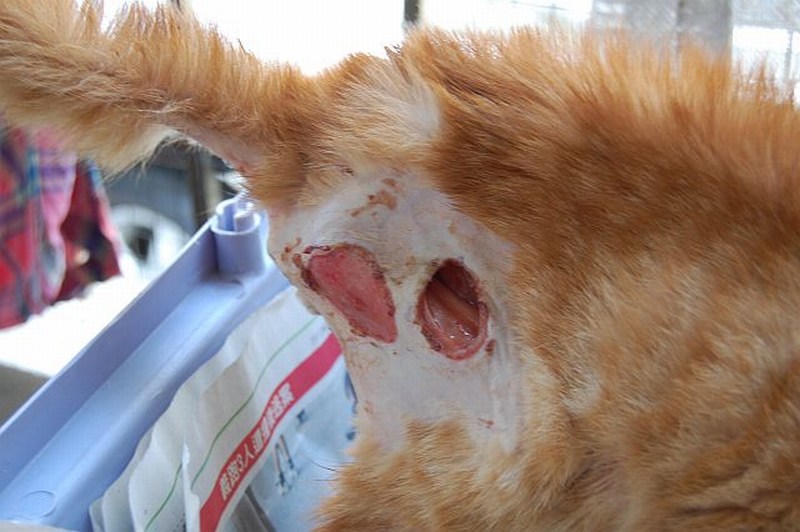
Credit: santacocktailclub.com
Ideal Spaying Age
Choosing the ideal spaying age for female kittens is essential for their health and well-being. Spaying prevents unwanted litters and reduces risks of certain diseases. The timing of the surgery depends on several factors including the kitten’s size, health, and vet recommendations. Knowing the best age helps ensure a safe and effective procedure.
Standard Timing
Most veterinarians suggest spaying female kittens around five to six months old. This age is before the kitten reaches sexual maturity and starts her first heat cycle. Spaying at this time lowers the risk of mammary cancer and uterine infections. It also helps avoid unwanted behaviors linked to heat.
Early Pediatric Spaying
Early pediatric spaying can be done as soon as six to eight weeks of age. The kitten must weigh at least two pounds. This method is common in shelters to prevent overpopulation. Studies show kittens recover quickly and safely from early spaying.
Factors Influencing Timing
Several factors affect the best time to spay a kitten. These include the kitten’s overall health, weight, and breed. Some vets may delay if the kitten is underweight or sick. Owner lifestyle and access to veterinary care also play roles in timing decisions.
Benefits Of Early Spaying
Spaying female kittens early offers many health and behavioral benefits. It helps protect them from serious diseases and unwanted behaviors. Early spaying also plays a key role in controlling the cat population. Understanding these benefits can help you decide the best time for your kitten’s surgery.
Cancer Risk Reduction
Spaying before the first heat cycle lowers the chance of mammary cancer. It also prevents uterine and ovarian cancers. Early spaying removes the organs where these cancers start. This simple surgery greatly improves your kitten’s long-term health.
Behavioral Improvements
Early spaying reduces behaviors like yowling and spraying. It stops your kitten from going into heat and acting restless. Spayed cats tend to be calmer and more affectionate. This makes them easier to live with and care for.
Population Control
Spaying kittens young helps stop unwanted litters. It reduces the number of homeless cats and overcrowded shelters. Early spaying supports responsible pet ownership. It helps save many lives by preventing overpopulation.
Risks Of Spaying Too Early
Spaying female kittens too early can carry risks that affect their health and development. It is important to weigh these risks before deciding on the right time for the surgery. Understanding these concerns helps pet owners make informed choices.
Potential Health Concerns
Spaying kittens before they are fully developed can lead to health problems. Their bones and joints might not grow properly. Early spaying may increase the risk of urinary tract issues. Some kittens may face a higher chance of obesity later in life. These health concerns should be discussed with a veterinarian.
Surgical Considerations
Performing surgery on very young kittens requires special care. Their small size makes anesthesia more risky. The organs are delicate and harder to operate on. Surgeons need experience with pediatric spaying to reduce complications. The recovery time may vary depending on the kitten’s age.
Long-term Effects
Spaying too early can affect a cat’s long-term health. Some studies suggest it may alter hormone levels permanently. This can influence behavior and metabolism. Early spaying may also affect bone density and growth patterns. Monitoring your kitten’s health after surgery is important to catch any issues early.
Heat Cycle And Spaying
Understanding the heat cycle is important when deciding the right time to spay a female kitten. The heat cycle marks the start of a kitten’s reproductive maturity. Spaying during or before this cycle can affect her health and behavior. Knowing how the heat cycle works helps pet owners make informed choices.
Age Of First Heat
Most female kittens have their first heat between five and six months old. Some kittens may start earlier, around four months. The heat cycle causes physical and behavioral changes. These include restlessness and vocalizing more than usual. Early spaying can prevent the kitten from going through this cycle.
Spaying Before Or After Heat
Many vets recommend spaying before the first heat. Spaying early helps avoid unwanted pregnancies. It also reduces the risk of certain health problems. Spaying after the first heat is still possible but may carry higher risks. The surgery can be slightly more complicated after the heat cycle starts.
Impact On Health
Spaying before the first heat greatly lowers cancer risks. It reduces the chances of mammary and reproductive cancers. Early spaying also stops uterine infections from developing. It helps control the pet population and keeps kittens healthier. Delaying spaying can increase health risks and unwanted behaviors.
Preparing For The Procedure
Preparing your female kitten for spaying involves several important steps. These steps help ensure the surgery goes smoothly and your kitten recovers quickly. Careful preparation reduces stress for both you and your pet. Understanding what to expect before, during, and after the procedure is key to a successful experience.
Vet Consultation
Schedule a visit with your veterinarian before the surgery. The vet will examine your kitten’s overall health. They check weight, age, and any medical concerns. This visit helps confirm your kitten is ready for spaying. Ask questions about the procedure, risks, and recovery. Your vet will give you specific instructions to follow.
Pre-surgery Care
Follow your vet’s guidance about feeding and fasting. Usually, kittens should not eat after midnight before surgery. Provide fresh water until a few hours before the procedure. Keep your kitten calm and comfortable on surgery day. Avoid any stressful activities or changes in routine. Prepare a quiet space at home for post-surgery rest.
Post-operative Expectations
After surgery, your kitten may feel sleepy or groggy. Mild discomfort or soreness is normal for a few days. Watch for signs of infection like swelling or redness. Keep your kitten indoors and limit jumping or running. Use an Elizabethan collar if needed to stop licking the incision. Follow all care instructions your vet provides for a safe recovery.
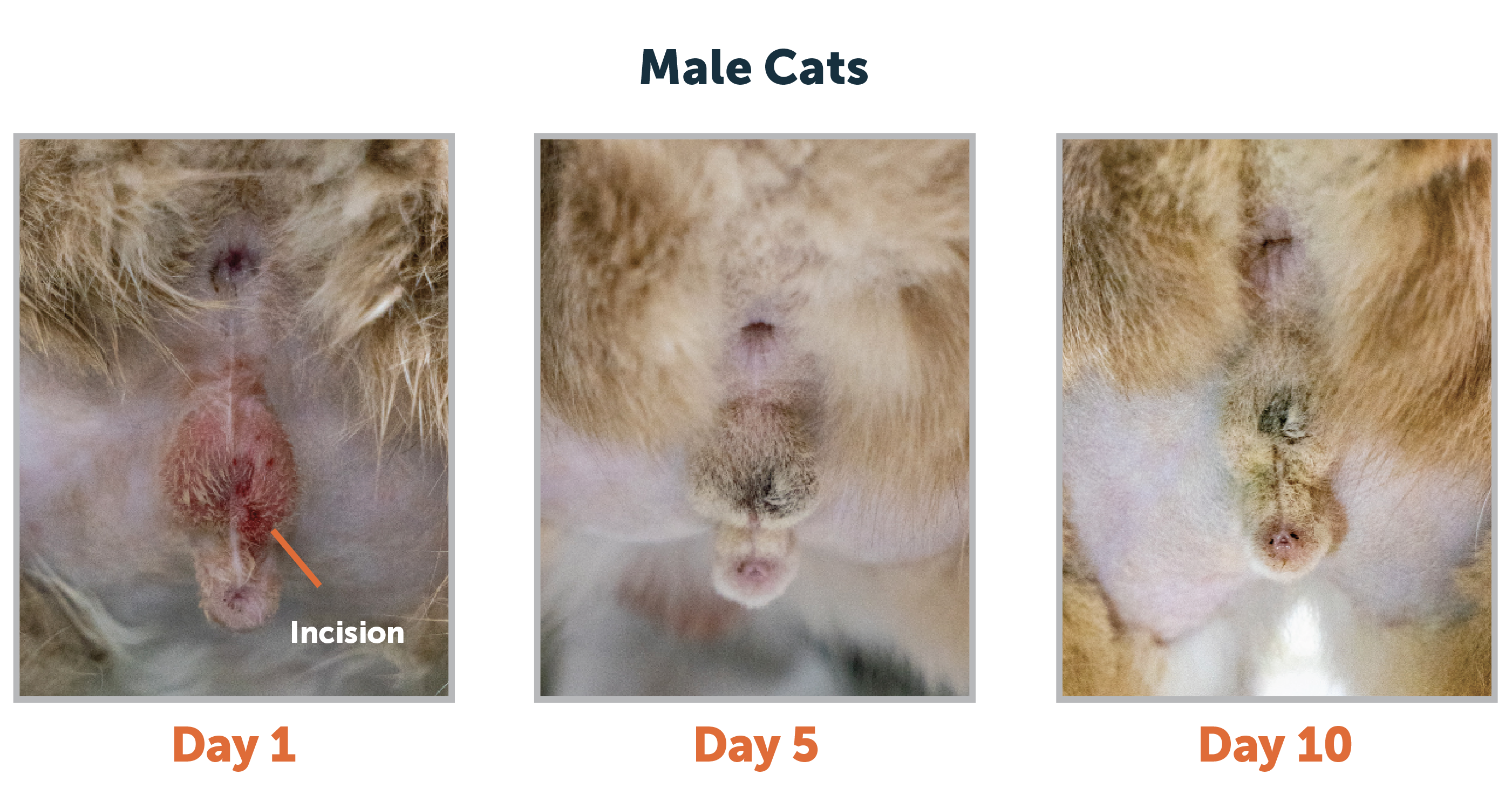
Credit: www.balver-hoehle.de
Weight And Health Requirements
Weight and health are key factors before spaying a female kitten. The right weight helps ensure safety during surgery. Healthy kittens recover faster and face fewer risks. Vets check these factors closely before scheduling the procedure.
Understanding these requirements helps pet owners prepare well. This section covers the minimum weight for surgery, health checks, and growth monitoring.
Minimum Weight For Surgery
Kittens must weigh at least two pounds before surgery. This weight ensures they are strong enough to handle anesthesia. Lighter kittens may face higher risks during and after the operation. Most vets wait until kittens reach this weight to schedule the spay.
Health Checks
Vets perform health checks before surgery. They look for signs of illness or infection. Blood tests may be done to check organ function. Healthy kittens have better outcomes and fewer complications. Any health issues must be treated before spaying.
Monitoring Growth
Tracking a kitten’s growth helps determine the best time for surgery. Regular vet visits monitor weight and health progress. Slow-growing kittens may need extra care before spaying. Consistent growth shows the kitten is ready for a safe procedure.
Spaying Myths And Facts
Spaying female kittens helps control the pet population and improves their health. Many people have questions and doubts about the right time to spay. Myths and facts often cause confusion. Understanding the truth helps you make the best decision for your kitten.
This section clears up common misunderstandings and shares expert advice on spaying female kittens.
Common Misconceptions
One myth says kittens are too young to handle spaying surgery. Another belief is that spaying changes a cat’s personality or makes her lazy. Some think spaying should wait until after the first heat cycle. These ideas are not true. Kittens can safely have surgery at a young age. Spaying does not harm their behavior or energy levels. Delaying spaying increases health risks and chances of unwanted litters.
Scientific Evidence
Studies show early spaying reduces cancer risks, especially mammary tumors. Research confirms spaying before the first heat cycle lowers health problems. Veterinarians use safe anesthesia and modern techniques for kittens. Data supports spaying as a standard, safe procedure for kittens as young as eight weeks. Early spaying helps keep cats healthy and prevents population growth.
Expert Recommendations
Veterinarians recommend spaying female kittens between eight weeks and six months. The exact timing depends on the kitten’s weight and health. Experts agree early spaying is best to avoid heat cycles and unwanted pregnancies. Animal shelters often spay kittens before adoption for safety. Talk to your vet to choose the right time based on your kitten’s needs.

Credit: www.nexur.es
Finding Local Veterinary Support
Finding reliable veterinary support is key to spaying your female kitten safely. A good local vet offers expertise and care tailored to your kitten’s needs. Early contact with a vet helps prepare you for the procedure and aftercare. Knowing what to expect reduces stress for both you and your kitten.
Choosing A Vet
Pick a vet with experience in kitten spaying. Check reviews and ask friends for recommendations. Make sure the clinic uses up-to-date surgical techniques. Visit the clinic to see if it feels clean and welcoming. Friendly staff can make visits easier for your kitten.
Scheduling The Surgery
Contact the vet to discuss the best age for spaying. Most vets recommend spaying between 4 to 6 months old. Early spaying might be possible for healthy kittens. Book the surgery date in advance to secure your spot. Ask about pre-surgery instructions to prepare your kitten.
Cost Considerations
Spaying costs vary by location and clinic. Call several vets to compare prices. Some clinics offer discounts or payment plans. Factor in pre-surgery exams and post-surgery care costs. Investing in spaying saves money by preventing future health issues.
Frequently Asked Questions
What Is The Best Age To Get A Kitten Spayed?
The best age to spay a kitten is typically between five to six months. Early spaying can start at six to eight weeks if the kitten weighs at least two pounds. Spaying before the first heat cycle reduces cancer risks and prevents unwanted litters.
What Happens If A Kitten Is Spayed Too Early?
Spaying a kitten too early may increase risks of urinary issues and affect bone development. Consult a vet for ideal timing.
Are Female Cats Happier After Being Spayed?
Spaying often makes female cats calmer and reduces stress from heat cycles. It lowers health risks, improving overall wellbeing.
What Age Do Female Cats Go Into Heat?
Female cats typically go into heat between 5 to 6 months old. Early heat can occur as early as 4 months.
Conclusion
Female kittens can be safely spayed as early as six to eight weeks old. Most vets recommend spaying before five to six months, before the first heat cycle. Spaying early helps prevent unwanted litters and lowers cancer risks. Discuss your kitten’s age and weight with your vet for the best timing.
Acting early supports your kitten’s health and well-being. Keep your kitten safe and happy by planning spaying at the right age.
