
Have you ever noticed your cat meowing right after using the litter box and wondered why? It can be confusing—and a little worrying—when your usually quiet feline suddenly starts vocalizing at such an odd moment.
Is your cat just trying to get your attention, or could it be a sign of discomfort or a health problem? Understanding why your cat meows after using the litter box is important because it helps you know when to relax and when to take action.
Keep reading to discover the common reasons behind this behavior and find out when you should consult your vet to keep your furry friend happy and healthy.

Credit: www.reddit.com
Common Reasons Cats Meow After Litter Box Use
Cats meow after using the litter box for several common reasons. Understanding these reasons helps owners respond appropriately. Some cats express comfort or relief, while others seek attention. Certain meows result from habits or learned behaviors. Recognizing these signals improves your bond with your cat and keeps them healthy.
Relief And Comfort Signals
After using the litter box, cats may meow to show relief. The act of eliminating can ease discomfort or pressure. This sense of comfort encourages a vocal response. Some cats even express happiness or relaxation through soft meows. These sounds signal that their basic needs are met.
Seeking Attention Or Social Interaction
Many cats meow after using the litter box to get attention. They may want petting, playtime, or reassurance. This vocalization invites interaction with their human. Cats are social creatures and use meows to communicate needs. Responding with gentle attention strengthens your relationship.
Learned Behaviors And Habits
Cats sometimes meow after the litter box due to learned habits. If owners respond to these meows with treats or praise, cats repeat the behavior. This creates a pattern where meowing becomes a routine part of their bathroom visit. Recognizing this helps owners guide behavior gently and clearly.

Credit: www.reddit.com
Energy Bursts After Defecating
Many cats experience sudden bursts of energy right after they use the litter box. This behavior can seem odd but it is quite common. Cats often meow and run around after defecating. This is not a sign of distress but a natural reaction to the process of going to the bathroom.
Understanding why your cat acts this way can help you feel more at ease. It also gives insight into your cat’s health and happiness. Below are two key reasons behind these lively moments after your cat uses the litter box.
The ‘poop Zoomies’ Phenomenon
The term “poop zoomies” refers to a quick burst of energy cats show after defecating. Many cat owners notice their pets suddenly running, jumping, or playing wildly after using the litter box. This behavior is a natural, instinctive release of energy.
Defecation can relax a cat’s muscles and relieve pressure. After this relief, cats often feel energized and happy. This sudden boost in energy leads to playful or excited movements. It is their way of celebrating the completion of a necessary task.
Vagus Nerve Stimulation Effects
The vagus nerve plays a big role in how cats feel after using the litter box. This nerve connects the brain to the stomach and intestines. When a cat defecates, this nerve gets stimulated, sending signals to the brain.
This stimulation can cause a feeling of deep relief and sometimes a rush of energy. The meowing after using the litter box may be your cat’s way of expressing this sensation. It is a normal reaction and shows that their body is working well.
Medical Causes Behind Post-litter Meowing
Sometimes cats meow after using the litter box because of pain or discomfort. These sounds can signal a medical problem that needs attention. Recognizing these signs early helps protect your cat’s health. This section explains common medical causes behind post-litter meowing.
Urinary Tract Infections And Discomfort
Urinary tract infections (UTIs) cause inflammation and pain while urinating. Cats with UTIs may meow loudly or frequently after using the litter box. This behavior shows their discomfort or urgency to urinate. UTIs need prompt veterinary care to avoid complications.
Constipation And Digestive Issues
Constipation makes it hard and painful for cats to pass stool. They may cry or meow after trying to poop in the litter box. Digestive problems can cause strain and discomfort, leading to vocal reactions. Proper diet and hydration can help prevent constipation in cats.
Feline Lower Urinary Tract Disease (flutd)
FLUTD includes conditions affecting the bladder and urethra. It causes pain, frequent urination, and sometimes blood in the urine. Cats with FLUTD often meow after litter box visits because of irritation or blockage. This serious disease requires veterinary diagnosis and treatment.
Bladder Crystals And Blockages
Bladder crystals form when minerals build up in the urine. These crystals can irritate or block the urinary tract. Cats with bladder crystals may meow loudly after trying to urinate. Blockages are emergencies that need immediate veterinary care to save the cat’s life.
Warning Signs To Watch For
Watching your cat closely after they use the litter box is important. Certain signs may signal health problems. These warning signs need prompt attention. Acting early can prevent serious issues and keep your cat comfortable.
Straining Or Crying During Elimination
Notice if your cat strains or cries while using the litter box. This behavior often shows pain or discomfort. It could indicate constipation or urinary tract problems. Straining is not normal and should be checked by a vet.
Frequent Litter Box Visits With Little Output
Pay attention if your cat visits the litter box many times but produces little urine or stool. This might mean a blockage or infection. Your cat may feel the urge but cannot fully eliminate. This condition needs veterinary care quickly.
Blood In Urine Or Stool
Finding blood in your cat’s urine or stool is a serious warning sign. It often points to infections, injuries, or other medical issues. Blood should never be ignored. Contact your veterinarian immediately for an exam.
Excessive Licking Of Genital Area
Excessive licking around the genital area can mean irritation or pain. Cats often lick to soothe discomfort caused by infections or inflammation. This habit, combined with meowing after elimination, can signal a health problem.
Avoidance Of The Litter Box
Some cats avoid the litter box due to pain or fear. If your cat stops using the box or goes elsewhere, it is a warning sign. This behavior often relates to discomfort during elimination or a medical condition.
How Environment And Stress Affect Litter Box Behavior
Environment and stress play a major role in how cats behave around their litter boxes. Changes in surroundings or daily routine can affect their comfort and health. Cats are sensitive creatures. Stress can cause them to act differently, including meowing after using the litter box. Understanding these factors helps in keeping your cat happy and healthy.
Stress-induced Urinary Issues
Stress can trigger urinary problems in cats. When anxious, cats may develop inflammation or infections in their urinary tract. This often causes discomfort or pain during urination. Meowing after using the litter box can be a sign of such issues. Stress also affects bladder control, making cats feel the need to urinate more often. These problems require prompt attention to avoid serious health risks.
Changes In Litter Box Setup
Cats dislike sudden changes in their litter box environment. Switching litter types or cleaning products can upset them. Moving the box to a new location can cause confusion and stress. Cats may meow after using the box to express discomfort or dissatisfaction. Keeping the litter box consistent and clean helps reduce stress and unwanted vocalizations. Small changes can have a big impact on your cat’s behavior.
Impact Of Household Changes
New people, pets, or loud noises can stress cats greatly. Visitors, renovations, or even rearranged furniture may unsettle them. These changes may cause your cat to feel insecure or anxious. Stress from household changes can lead to meowing after litter box use. Your cat may seek reassurance or try to alert you to discomfort. Providing a calm, stable environment is key to reducing stress-related behaviors.
When To Seek Veterinary Care
Knowing when to seek veterinary care for your cat’s meowing after litter box use is important. Some sounds mean simple communication. Others may signal pain or illness. Acting quickly can protect your cat’s health.
Identifying Urgency And Emergencies
Watch for signs of pain or distress. Loud, continuous meowing after using the litter box can be urgent. Straining, frequent attempts to urinate, or blood in the litter are emergencies. Sudden changes in behavior or appetite also need prompt attention. These signs may point to urinary tract infections, blockages, or other serious conditions.
Preparing For The Vet Visit
Gather details about your cat’s symptoms. Note how often your cat uses the litter box and the type of meowing. Check for any accidents outside the box or changes in litter habits. Bring a fresh sample of your cat’s urine or stool if possible. This helps the vet diagnose the issue faster. Make sure your cat is calm and secure for the trip.
Questions To Ask Your Veterinarian
Ask what could cause the meowing after litter box use. Find out about tests needed to check for infections or blockages. Inquire about treatment options and pain relief. Request advice on how to prevent future problems. Clarify signs that mean you should return to the vet immediately. Understanding your cat’s condition helps you provide better care.
Tips To Reduce Post-litter Box Vocalizations
Post-litter box meowing can be puzzling for cat owners. This behavior might be normal or a sign your cat needs help. Reducing these vocalizations improves your cat’s comfort and your peace of mind. Try these practical tips to create a calm environment for your feline friend.
Positive Reinforcement Techniques
Reward your cat for quiet behavior after using the litter box. Use gentle praise or small treats to encourage silence. Avoid reacting to meowing with attention. This stops your cat from linking noise with rewards. Consistent training helps your cat learn calm habits.
Ensuring Clean And Comfortable Litter Boxes
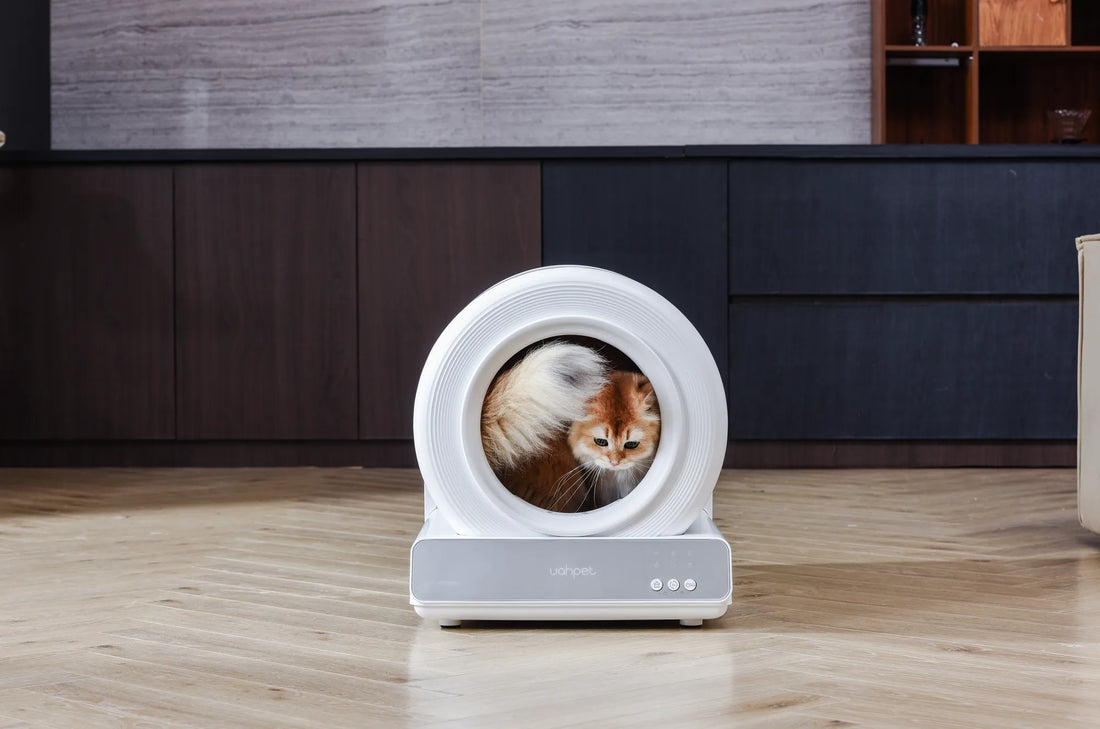
Keep the litter box clean by scooping daily and changing litter regularly. Use litter that your cat prefers for texture and scent. Place the box in a quiet, private spot. A clean, cozy litter box reduces stress and the need to vocalize.
Managing Stress And Anxiety
Stress can cause your cat to meow after using the litter box. Provide a stable routine and quiet spaces for your cat. Use calming products like pheromone diffusers if needed. Spend quality time playing and bonding to ease anxiety. A relaxed cat vocalizes less.
Credit: www.uahpet.com
Frequently Asked Questions
Why Does My Cat Meow After Using The Toilet?
Your cat meows after using the toilet to communicate relief, seek attention, or out of habit. Persistent or painful meowing may indicate health issues needing a vet visit.
Why Do Cats Run And Meow After Pooping?
Cats run and meow after pooping to express relief, release energy, or seek attention. Sometimes, it signals discomfort or medical issues.
How Often Should Cats Use The Litter Box?
Cats typically use the litter box 2 to 4 times daily for urination and defecation. Monitor for changes in frequency or behavior.
Why Does My Cat Yowl After Peeing?
Your cat may yowl after peeing due to relief, seeking attention, or pain from urinary issues. Watch for signs of discomfort or frequent urination and consult a vet if behavior changes suddenly.
Conclusion
Cats meow after using the litter box for many simple reasons. They might feel relief or want your attention. Sometimes, meowing shows they are happy or have learned this behavior. Watch for changes in their voice or habits. Loud or strained meows can signal pain or health issues.
Frequent trips with little output need quick veterinary care. Knowing these signs helps keep your cat healthy and comfortable. Always listen to your cat’s signals and act when needed. Caring for your cat means understanding their unique ways of communication.
