
Is your indoor cat acting restless, hiding more than usual, or showing signs of anxiety? When your furry friend feels stressed inside your home, it can affect their health and happiness—and that worries you.
But don’t worry, you’re not alone, and there are simple, effective ways to help your cat feel calm and safe. You’ll discover practical tips to reduce your indoor cat’s stress, create a peaceful environment, and strengthen the bond you share.
Keep reading to learn how small changes can make a big difference in your cat’s life—and yours.
Credit: www.fearfreehappyhomes.com
Common Causes Of Stress
Understanding what causes stress in your indoor cat is the first step to helping them live a calm and happy life. Cats are sensitive creatures, and even small changes or challenges in their environment can upset them. Let’s look at some common causes of stress that you might not have noticed but can make a big difference to your cat’s well-being.
Limited Space And Boredom
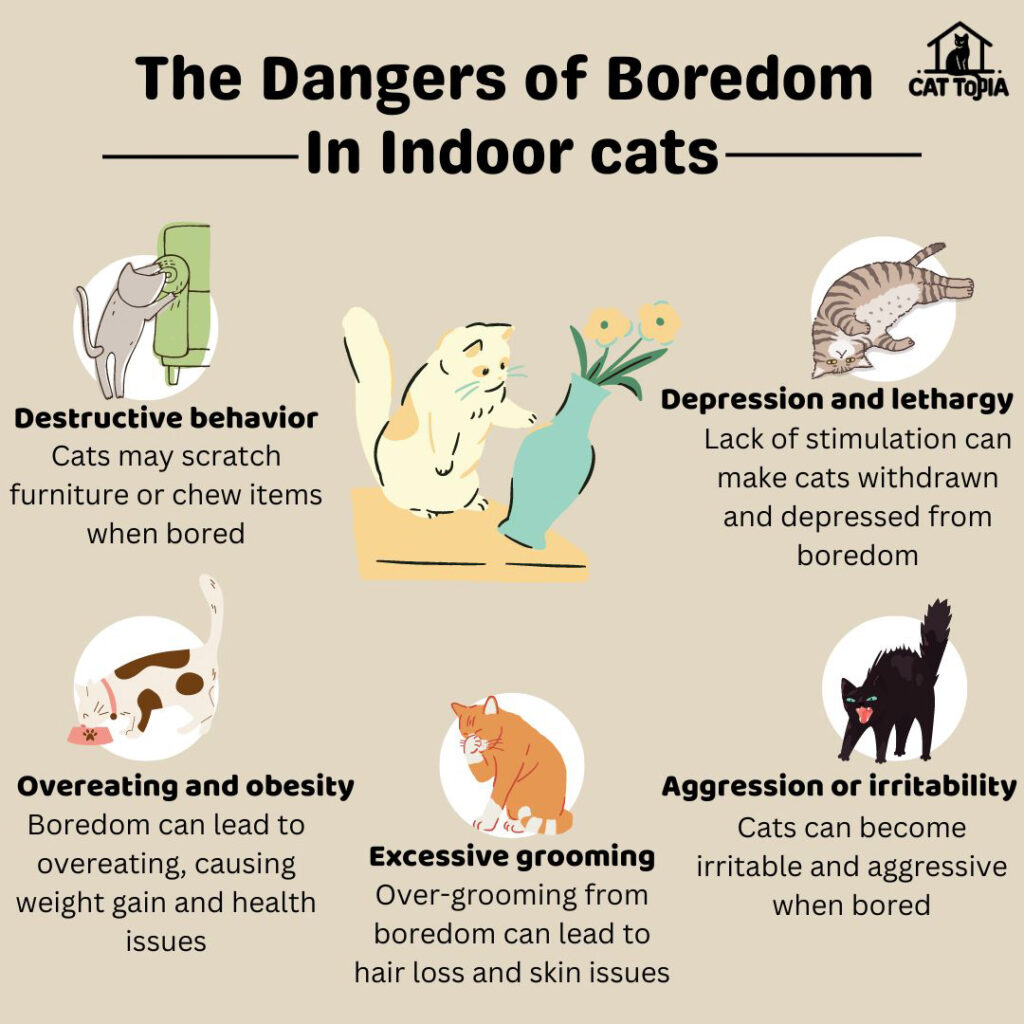
Indoor cats often face the challenge of limited space. Unlike outdoor cats, they don’t have the freedom to explore wide areas, climb trees, or chase after prey. This can quickly lead to boredom, which causes stress and sometimes destructive behavior.
Have you ever noticed your cat staring out the window or pawing at empty air? That’s a sign they want more stimulation. Adding toys, puzzle feeders, or rotating playtime activities can help your cat stay mentally active and reduce stress.
Territorial Conflicts
If you have more than one cat, territorial conflicts can be a major source of stress. Cats are naturally territorial and don’t always share space or resources willingly. This can lead to tension, hiding, or even aggression.
Think about how your cats interact around food bowls, litter boxes, and favorite resting spots. Providing multiple resources in different areas of your home can ease conflicts and give each cat their own safe zone.
Changes In Routine
Cats thrive on consistency. Sudden changes, like moving furniture, new family members, or even changing feeding times, can unsettle them. Stress from disrupted routines might show up as hiding, excessive grooming, or loss of appetite.
When you have to make changes, try to introduce them slowly. Ask yourself: How can I keep some parts of my cat’s day familiar to help them feel secure? This small effort can make a big difference.
Lack Of Hiding Spots
Have you noticed your cat vanishing behind the couch or under the bed when visitors come over? Hiding spots give cats a sense of safety and control. Without enough places to retreat, your cat may feel exposed and stressed.
Creating cozy hideouts with boxes, cat tunnels, or covered beds can provide your cat with much-needed security. This simple change can turn a stressed cat into a relaxed one.
Signs Of Stress In Cats
Recognizing signs of stress in indoor cats is essential for their well-being. Cats often hide discomfort, making it tricky to notice stress early. Observing your cat’s usual behavior helps spot changes quickly. Stress can affect cats in many ways, from how they act to physical health issues.
Behavioral Changes
Stress often shows in a cat’s behavior. Your cat might groom less or more than usual. Sudden changes in eating habits, like eating too little or too much, can signal stress. Cats may start urinating outside the litter box. Watch for increased hiding or excessive vocalizing. These changes hint that your cat feels uneasy.
Physical Symptoms
Stress can cause physical signs in cats. Look for hair loss or bald patches from over-grooming. A stressed cat might have dilated pupils or flattened ears. Changes in body posture, such as crouching low, also appear. Weight loss or gain might happen too. These symptoms often mean your cat needs help.
Aggression And Withdrawal
Stress can make cats aggressive or withdrawn. Your cat might hiss, scratch, or bite more often. Some cats avoid social interaction and hide for long periods. Aggression towards people or other pets is a warning sign. Withdrawal shows your cat feels scared or unsafe. Both need attention to improve your cat’s comfort.
Creating A Stress-free Environment
Creating a stress-free environment is key to keeping indoor cats calm and happy. Cats need safe, quiet spaces that match their natural behaviors. A peaceful home helps reduce anxiety and prevents unwanted behaviors. Simple changes can make a big difference in your cat’s life.
Provide Vertical Spaces
Cats love to climb and watch from high places. Vertical spaces give them control over their surroundings. Install cat trees, shelves, or window perches for climbing and resting. These spots offer safety and reduce stress by letting cats escape noise or other pets. Vertical spaces also provide exercise and mental stimulation.
Designate Quiet Zones
Quiet zones are safe spots where cats can relax undisturbed. Choose calm corners or rooms with low traffic. Add soft bedding and toys to make it inviting. Keep these areas away from loud noises and busy family activities. Cats feel secure in quiet zones and use them to recharge.
Maintain Consistent Routines
Cats thrive on routine. Regular feeding times, play sessions, and quiet periods create predictability. Consistency reduces anxiety by helping cats know what to expect. Avoid sudden changes in schedule or environment. A steady routine keeps your cat calm and confident.
Enriching Your Cat’s Life
Enriching your cat’s life is essential to reduce stress in indoor cats. A stimulating environment keeps cats active and happy. It prevents boredom and destructive behavior. Providing varied activities helps satisfy their natural instincts. Cats feel more secure and content when their needs are met.
Interactive Toys And Playtime
Interactive toys encourage your cat to move and think. Toys like feather wands and laser pointers mimic prey. Playing with your cat daily builds trust and reduces anxiety. Short, frequent play sessions keep cats engaged without tiring them out. Rotate toys regularly to maintain interest.
Puzzle Feeders And Treats
Puzzle feeders make mealtime fun and challenging. Cats use their minds and paws to get food. This slows eating and reduces stress from fast meals. Treat-dispensing toys reward effort and encourage problem-solving. Use safe, healthy treats to keep your cat motivated.
Safe Outdoor Experiences
Safe outdoor time offers fresh air and new sights. Use a harness and leash to explore gardens or balconies. Outdoor experiences stimulate senses and reduce indoor stress. Supervised outdoor time also helps with exercise and mental health. Always watch your cat closely to keep them safe.
Using Pheromones And Calming Products
Indoor cats often face stress from changes in their environment or routine. Using pheromones and calming products helps ease their anxiety. These products mimic natural scents cats use to feel safe. They create a calming atmosphere inside your home. This section explains how to use these tools effectively.
Feliway And Similar Sprays
Feliway sprays release synthetic pheromones that comfort cats. These sprays help reduce fear and nervousness. Apply the spray on bedding, carriers, or around resting areas. Use it before stressful events like vet visits or travel. Other brands offer similar sprays with calming effects. Always follow the product instructions for best results. These sprays work by signaling safety to your cat’s brain.
Calming Collars And Diffusers
Calming collars release pheromones continuously around your cat. They help maintain a calm mood throughout the day. Diffusers plug into outlets and spread pheromones in the room. They are great for calming multiple cats or large spaces. Both collars and diffusers offer long-lasting stress relief. Choose the option that fits your home and cat’s needs. Regular use can improve your cat’s comfort and behavior.
Managing Multi-cat Households
Managing a household with multiple cats needs careful planning. Cats are territorial animals. Conflicts arise when space and resources are limited. Stress can build up quickly among indoor cats sharing the same home. Taking steps to reduce tension helps all cats feel safe and calm.
Simple changes in the environment can improve harmony. Cats need their own spaces and belongings. Observing their behavior lets you intervene before problems grow. Providing places to escape keeps cats from feeling trapped or overwhelmed.
Separate Resources
Each cat should have its own food bowl, water dish, and litter box. Sharing these essentials often causes stress and fights. Place resources in different rooms or areas. This helps prevent competition and ensures every cat has access to what it needs.
Monitor Interactions
Watch how your cats behave around each other. Look for signs of aggression like hissing or swatting. Notice if any cat is hiding or avoiding others. Early detection of problems allows you to adjust the environment or separate cats if needed.
Provide Escape Routes
Cats feel safer when they can leave stressful situations. Create high shelves or quiet corners for them to retreat to. Doorways or tunnels also work well as escape paths. Multiple escape routes reduce tension and give cats control over their space.
Handling Vet Visits And Travel Stress
Vet visits and travel can be tough for indoor cats. Many cats feel scared or anxious during these times. Stress can affect their health and behavior. Helping your cat stay calm is important. You can reduce stress with simple steps before, during, and after the visit.
Preparing The Carrier
Choose a sturdy, comfortable carrier for your cat. Leave it open at home so your cat can explore it. Place soft blankets or towels inside for comfort. Add a familiar toy or item with your cat’s scent. This makes the carrier feel safe. Avoid forcing your cat inside. Use treats and calm voices to encourage entry.
Calm Arrival Techniques
Keep the car ride smooth and quiet. Avoid loud music or sudden stops. Cover the carrier with a light cloth to block outside noise. Speak softly to your cat during travel. At the vet’s office, stay calm and patient. Let your cat adjust to new smells and sounds slowly. Use gentle petting if your cat allows. This helps lower anxiety levels.
Post-visit Comfort
After the visit, bring your cat to a quiet room. Offer fresh water and favorite treats. Keep the lights low and reduce noise. Spend time with your cat, but do not force interaction. Allow your cat to hide or rest as needed. This helps your cat feel secure and recover from stress quickly.
:strip_icc()/reducing-anxiety-in-cats-554064-FINAL-5b9faac146e0fb00507d984e.png)
Credit: www.thesprucepets.com
Tips For New Cats And Transitions
Introducing a new cat to your home needs care and calm steps. Sudden changes can stress indoor cats. Helping them adjust smoothly lowers anxiety. Focus on creating a safe and gentle environment. This section shares simple tips for new cats and transitions.
Gradual Introductions
Start by keeping the new cat in a separate room. Let your current pets sniff under the door. Swap bedding between cats to share scents. Allow short, supervised meetings after a few days. Increase time together slowly over weeks. Watch for signs of stress or aggression. This slow pace helps cats accept each other.
Safe Retreat Areas
Every cat needs a quiet place to hide. Provide cozy beds or boxes in calm spots. High shelves or cat trees work well too. These areas let cats feel safe and in control. Avoid loud noises near their retreat. This space reduces fear and helps cats relax.
Patience With Adjustment Periods
Each cat adapts at its own speed. Some take days, others weeks or months. Avoid rushing them to interact or explore. Keep routines steady to build trust. Reward calm behavior with treats or gentle praise. Patience shows cats they are safe and loved.
Credit: www.cats.org.uk
Frequently Asked Questions
How Do I Make My Cat Less Stressed At Home?
Create a calm environment by providing hiding spots and vertical spaces. Maintain a consistent routine. Use calming products like Feliway. Offer toys and regular playtime. Avoid forcing attention; let your cat approach you. Ensure clean litter boxes and quiet areas for rest.
What Is The 3-3-3 Rule For Cats?
The 3-3-3 rule for cats helps track adjustment: three days, three weeks, and three months to settle into new environments.
Why Is My Indoor Cat Stressed?
Indoor cats get stressed from boredom, lack of hiding spots, changes in routine, or overcrowding. Providing enrichment and quiet spaces helps reduce stress.
How Long Can Stress Last In Cats?
Stress in cats can last from a few days to several weeks, depending on the cause and environment. Consistent care and enrichment help reduce stress duration.
Conclusion
Reducing stress in indoor cats improves their health and happiness. Provide quiet spaces and safe hiding spots. Keep a regular routine for feeding and playtime. Offer toys and scratching posts to keep them busy. Avoid sudden changes or loud noises that scare your cat.
Give gentle attention but respect their need for space. Watch your cat’s behavior and adjust as needed. Small changes make a big difference in their comfort. A calm cat means a happier home for everyone.
