
Bathing your cat might sound like a nightmare filled with scratches and chaos. But what if you could get your furry friend clean without turning it into a battle?
You’re not alone if you dread the idea of those sharp claws and frantic escapes. The good news is, with the right approach, you can keep both your cat and yourself safe—and maybe even make bath time a little easier.
In this guide, you’ll discover simple, effective steps to bathe your cat without getting scratched, so you both come out feeling calm and comfortable. Ready to turn bath time from stress to success? Let’s dive in.

Credit: www.amazon.com
Pre-bath Preparation
Preparing your cat before bath time lowers stress and reduces scratches. Cats dislike water and can become nervous quickly. Taking steps ahead helps the bath go smoothly. Calm cats are less likely to struggle or scratch.
Trim Your Cat’s Claws
Clip your cat’s nails a day before the bath. Shorter claws cause less damage if your cat tries to scratch. Use a proper pet nail clipper for safety. Avoid cutting too close to the quick to prevent pain. If unsure, ask a vet or groomer for help.
Brush And Play Before Bathing
Brush your cat to remove mats and loose fur. Mats get worse when wet and cause discomfort. Play with your cat to tire them out. A tired cat is calmer and more relaxed during the bath. Use gentle strokes with a soft brush to avoid upsetting them.
Choose A Calm Location
Pick a quiet, warm room with no distractions. A calm space helps your cat feel safe. Close doors to prevent escape or loud noises. Use a non-slip mat in the sink or tub for better footing. Avoid bright lights or sudden movements that can scare your cat.
Gather Bathing Supplies
Prepare everything before bringing your cat to the bath area. Use cat-specific shampoo that is gentle on their skin. Have a cup or low-pressure sprayer ready for rinsing. Keep a thick towel nearby for drying. Having all supplies at hand prevents leaving your cat alone in water.
Credit: www.adamspetcare.com
Bath Setup
Preparing the bath area helps keep your cat calm and safe. A good setup reduces stress and stops scratches. Organize everything before you start to make the bath quick and smooth.
Choose a quiet place with few distractions. Gather all supplies like shampoo, towels, and a cup for rinsing. Ready the space so you can focus only on your cat.
Use Warm, Comfortable Water
Warm water soothes your cat’s skin and muscles. Check the water temperature with your wrist. It should feel like a warm bath for a baby. Avoid hot or cold water to keep your cat calm.
Fill the tub or sink with just a few inches of water. Too much water can scare your cat or make it hard to hold them.
Place A Non-slip Mat
A non-slip mat stops your cat from slipping and sliding. Cats feel safer when they can stand firmly. Place the mat in the sink or tub before adding water.
This small step helps your cat stay steady. It also makes bathing easier for you by reducing sudden movements.
Enlist A Helper For Support
A second person can make the bath safer and smoother. They can gently hold the cat and keep it calm. You can focus on washing without worry.
Choose someone your cat trusts or who is calm. Explain how to hold the cat softly but firmly. Teamwork lowers stress and limits scratches.
Bathing Steps
Bathing a cat can be a calm experience with the right steps. Prepare everything before starting to keep your cat safe and relaxed. Focus on slow movements and gentle handling to avoid stress or scratches. Follow this clear routine to clean your cat effectively.
Secure Your Cat Safely
Hold your cat gently but firmly to stop sudden moves. Ask someone to help by holding your cat if possible. Support the chest and keep your cat facing away from you. This position lowers the chance of scratches.
Wet The Body Slowly
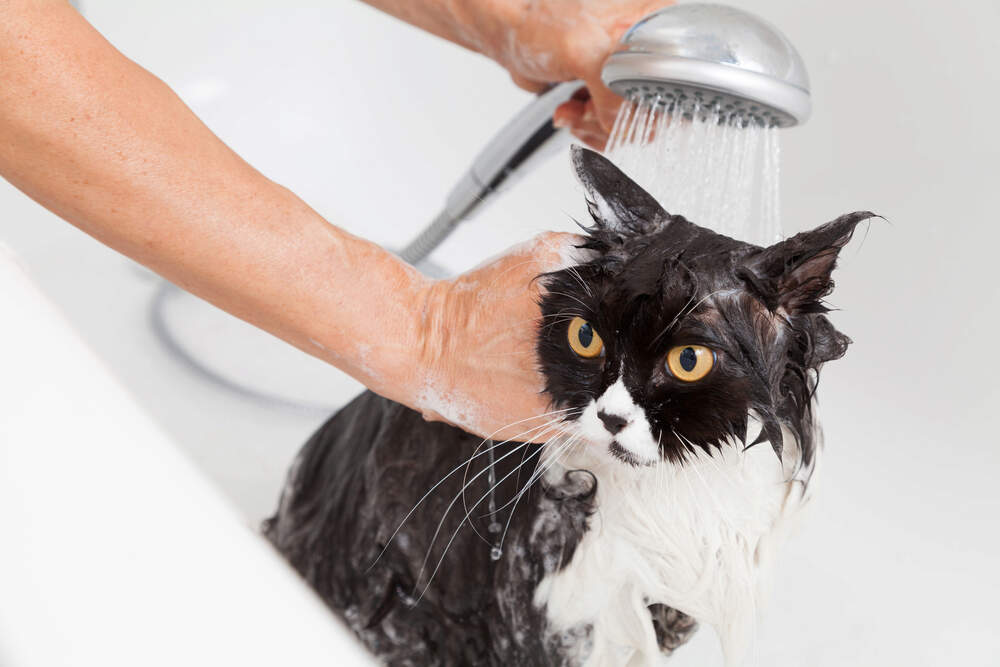
Use warm water, not hot or cold, to wet your cat. Pour water gently with a cup or a low-pressure shower. Start from the neck and move down the body. Avoid spraying water directly on the head.
Apply Cat-friendly Shampoo
Choose shampoo made for cats only. Apply a small amount and spread it from neck to tail. Rub softly to create foam but avoid tangling the fur. Do not let shampoo touch the eyes or inside ears.
Clean The Face With A Damp Cloth
Never pour water or shampoo on your cat’s face. Use a clean, damp cloth to wipe the face gently. Clean around eyes, nose, and ears carefully. This keeps your cat comfortable and prevents irritation.

Credit: www.youtube.com
Drying Techniques
Drying your cat after a bath needs care and patience. Cats dislike being wet and cold. Proper drying keeps them comfortable and safe from chills. Use gentle methods to avoid stress or scratches. Quick and calm drying helps your cat relax faster.
Wrap In A Thick Towel
Immediately after the bath, wrap your cat in a thick towel. Use a towel that absorbs water well. Gently press the towel on your cat’s fur. Avoid rubbing harshly; this can irritate their skin. Keep wrapping until most water is absorbed. This step reduces drying time and keeps your cat calm.
Use A Hair Dryer Carefully
Some cats tolerate a hair dryer on low settings. Use the coolest and quietest setting available. Keep the dryer far from your cat’s skin to avoid burns. Move the dryer constantly to prevent hot spots. Watch your cat’s reaction closely. Stop if your cat seems scared or stressed.
Keep Your Cat Warm After Bath
After drying, keep your cat in a warm, draft-free room. Provide a cozy spot with soft blankets. Avoid cold floors or air-conditioned areas. This warmth helps your cat feel safe and dry. Monitor your cat until fully dry and calm. Warmth prevents chills and helps maintain good health.
Protecting Yourself
Bathing a cat can be stressful for both you and your feline friend. Protecting yourself is crucial to avoid scratches and bites. Cats feel vulnerable during baths and may react defensively. Taking safety steps helps keep the experience calm and safe. Prepare yourself properly to reduce any risks.
Wear Protective Clothing
Wear long sleeves and thick gloves. Use clothes that cover your arms and legs fully. This prevents scratches from sharp claws. Avoid loose or thin fabrics that cats can easily tear. Choose durable materials that resist bites too. Protective gear acts as a barrier between you and your cat.
Use Calm, Gentle Handling
Hold your cat gently but firmly. Avoid sudden movements that cause panic. Speak softly to soothe and reassure your pet. Support their body to make them feel secure. Use slow motions to lower their stress levels. Calm handling reduces the chance of aggressive reactions.
Recognize Warning Signs
Watch your cat’s body language closely. Look for growling, hissing, or flattened ears. Dilated pupils and tail flicking also signal distress. If you see these signs, pause the bath. Give your cat a break to relax. Recognizing warnings early helps prevent injuries and keeps the bath safe.
Post-bath Rewards
Bath time can be stressful for cats. The right post-bath rewards help them feel calm and safe. These rewards build trust and make future baths easier. Focus on kindness and comfort right after the bath ends.
Offer Treats And Praise
Give your cat a tasty treat immediately after the bath. Choose small, favorite snacks that they love. Speak softly and praise them with a gentle voice. This creates a positive link between baths and good feelings.
Spend Quiet Time Together
After the bath, sit quietly with your cat. Hold them gently or let them relax near you. This quiet time helps reduce stress and shows your care. Avoid loud noises or sudden movements that might scare them.
Maintain Regular Grooming
Brush your cat often to prevent mats and tangles. Regular grooming keeps their coat clean and healthy. This reduces the need for frequent baths, making each bath less stressful. Grooming also strengthens your bond with your cat.
Alternative Cleaning Methods
Bathing a cat can be stressful for both pets and owners. Many cats dislike water and resist baths, making the process risky. Thankfully, there are alternative cleaning methods to keep your cat fresh without the fuss of a full bath. These options help maintain cleanliness and reduce stress while protecting your skin from scratches.
Use Waterless Shampoos
Waterless shampoos offer a quick way to clean your cat. They come in sprays or foams and do not require rinsing. Simply apply the product to your cat’s fur and rub it in gently. Then, wipe off any excess with a towel. These shampoos remove dirt and odors without wetting your cat. They are great for quick cleanups or when your cat resists water.
Try Grooming Wipes
Grooming wipes are moist cloths designed for pets. Use them to wipe down your cat’s fur, paws, and face. They remove dirt, grease, and loose hair easily. Wipes are gentle and safe for sensitive skin. They provide a stress-free cleaning option for cats that dislike baths. Keep grooming wipes handy for spot cleaning between regular grooming sessions.
Consider Professional Groomers
Professional groomers have experience handling cats during baths. They use techniques to keep cats calm and safe. Groomers have special tools and shampoos suited for cats’ needs. Scheduling regular grooming sessions can reduce your cat’s need for home baths. Professionals can also trim nails and check your cat’s coat health. This option is ideal for cats that react strongly to home bathing.
Frequently Asked Questions
How Do You Bathe An Unwilling Cat?
Trim your cat’s nails and brush mats first. Use warm water and cat shampoo. Have a helper hold the cat securely. Avoid the face by wiping it gently with a damp cloth. Dry with a towel and offer treats to calm your cat.
What Is The 3-3-3 Rule Of Cats?
The 3-3-3 rule of cats means a cat adjusts within 3 days to a new home, bond in 3 weeks, and mature by 3 years.
How Do I Say “i Love You” In Cat Language?
Cats say “I love you” by slow blinking, gentle head butts, purring, kneading, and nuzzling. These actions show affection naturally.
How To Restrain A Cat For A Bath?
Trim your cat’s nails and brush their fur first. Have a helper gently hold the scruff or support the chest. Keep your cat facing away to reduce scratches. Use a towel for grip and pour warm water slowly. Apply cat shampoo carefully, avoiding the face.
Conclusion
Bathing a cat can feel tricky, but it does not have to be stressful. Preparing well helps keep both you and your cat safe. Trim their nails and brush their fur before the bath. Use warm water and gentle movements to calm your cat.
Always support your cat properly and avoid wetting their face. Dry them with a towel and offer praise or a treat afterward. With patience and care, bathing your cat can become a smoother experience for both of you. Remember, a calm approach makes all the difference.
