
Choosing the right cat litter comes down to matching four things to your household: the material (clay, crystals, plant-based, or paper), how well it clumps and controls odor, how much dust and tracking you can tolerate, and your cat’s own preferences — because the best litter in the world is useless if your cat refuses to use it. Get those four aligned and a clean, odor-free box becomes routine maintenance instead of a daily battle.
Key Takeaways
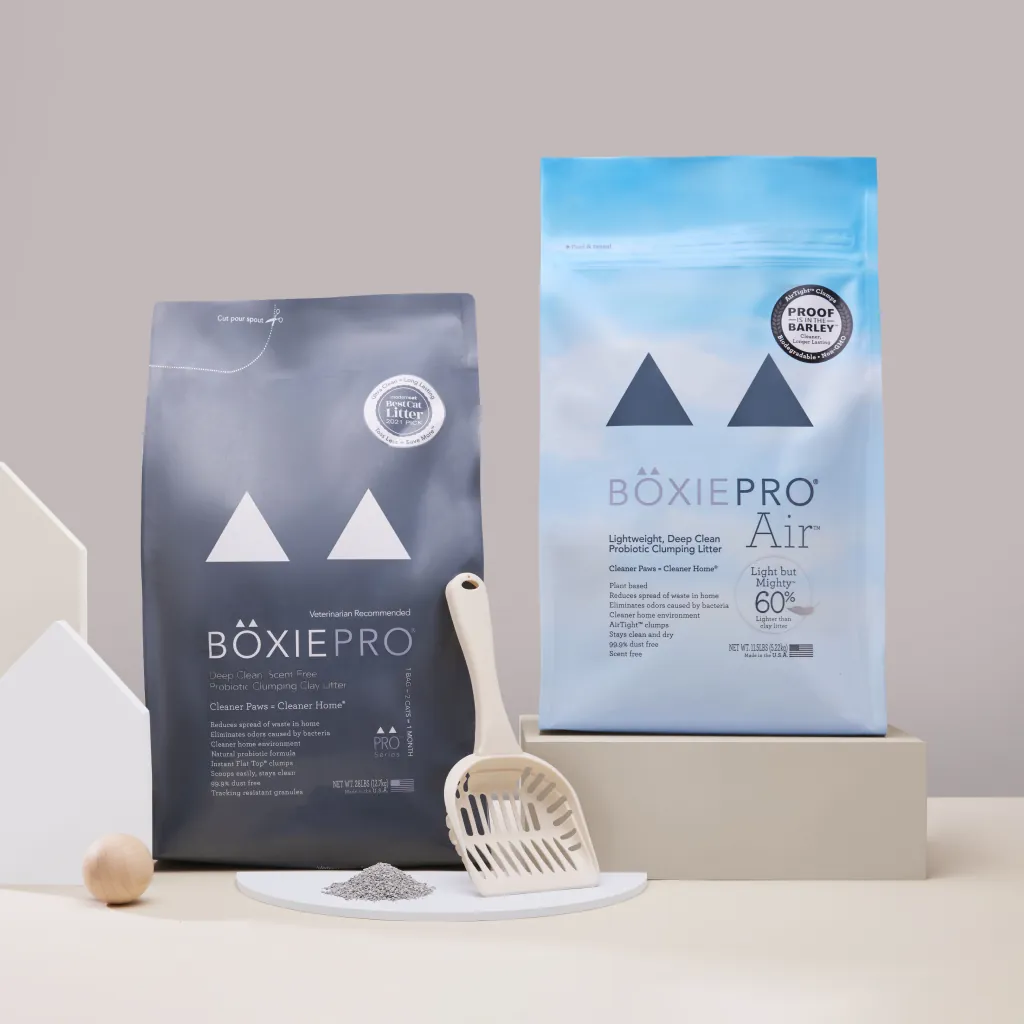
- Clumping clay remains the most popular choice for odor control and easy scooping, but it’s heavy and can be dusty.
- Crystal and plant-based litters cut dust and tracking, but they cost more per pound and may not suit picky cats.
- Unscented litter is usually the safer bet; cats have a far stronger sense of smell than we do, and added perfumes can drive them away.
- One box per cat, plus one — and scoop at least once daily — matters more for odor than any single litter brand.
- Transition gradually over 7–10 days by mixing new litter into the old to avoid litter box avoidance.
- Dust matters for health: choose low-dust options if anyone in the home has asthma or allergies.
Start With the Material
The single biggest decision is what the litter is made of, because material determines clumping, odor control, dust, weight, and cost all at once. Here is how the main categories compare.
| Material | Clumping | Odor Control | Dust | Tracking | Typical Cost |
|---|---|---|---|---|---|
| Clay (sodium bentonite) | Excellent | Excellent | Moderate–high | Moderate | Low–moderate |
| Silica crystals | None (absorbs) | Good | Low | Low–moderate | High |
| Pine / wood pellets | Weak | Moderate | Low | Low | Low–moderate |
| Corn, wheat, walnut | Good | Good | Low | Moderate | Moderate–high |
| Recycled paper | None | Fair | Very low | Low | Moderate |
| Grass seed | Good | Good | Low | Low | High |
Clumping clay forms firm, scoopable clumps that let you remove waste before it smells. Silica crystals absorb urine and dry it out, so you stir rather than scoop solids out — you typically replace the whole box every two to four weeks. Plant-based litters like corn, wheat, and walnut clump reasonably well and are often flushable or compostable, though you should check local rules before flushing anything.
Match Litter to Your Cat
Your cat gets a vote. Cats are individuals, and a litter that feels wrong under their paws — too coarse, too perfumed, too cold — can trigger accidents outside the box.
Texture preferences
Most cats prefer a fine, soft, sandy texture similar to soil. Large pellets and sharp crystals are more likely to be rejected. If your cat has always used one type, switching abruptly is a common cause of protest peeing.
Scent and sensitivity
Choose unscented unless you have a specific reason not to. Litter manufacturers add perfumes for humans, not cats. A cat’s olfactory system is far more sensitive than ours, and a strongly scented box can read as a place to avoid.
Age and health
Kittens may eat litter, so avoid clumping clay until they’re past the stage of tasting everything — many vets suggest waiting until around three to four months. Senior cats with arthritis do better with a low-entry box and a softer, finer litter that’s easy to dig.
Control Odor at the Source
Litter is only half the odor equation. The other half is how often you remove waste and how the box is set up.
- Scoop solids daily, ideally twice a day in a multi-cat home.
- Change litter fully on a schedule: clumping clay every two to four weeks, crystals every two to four weeks, paper and pellets more often.
- Wash the box with mild soap and water between full changes. Avoid ammonia-based cleaners, which smell like urine to a cat.
- Add depth: two to three inches of clumping litter gives enough material to form a solid clump instead of a soggy mess.
- Use an air purifier near the box rather than a scented plug-in, which masks odor without removing it.
Warning: Never use a covered box with a strong-smelling litter as a fix for odor. Covering traps ammonia, and the combination of enclosure plus perfume is one of the most common reasons cats stop using the box.
Reduce Dust and Tracking
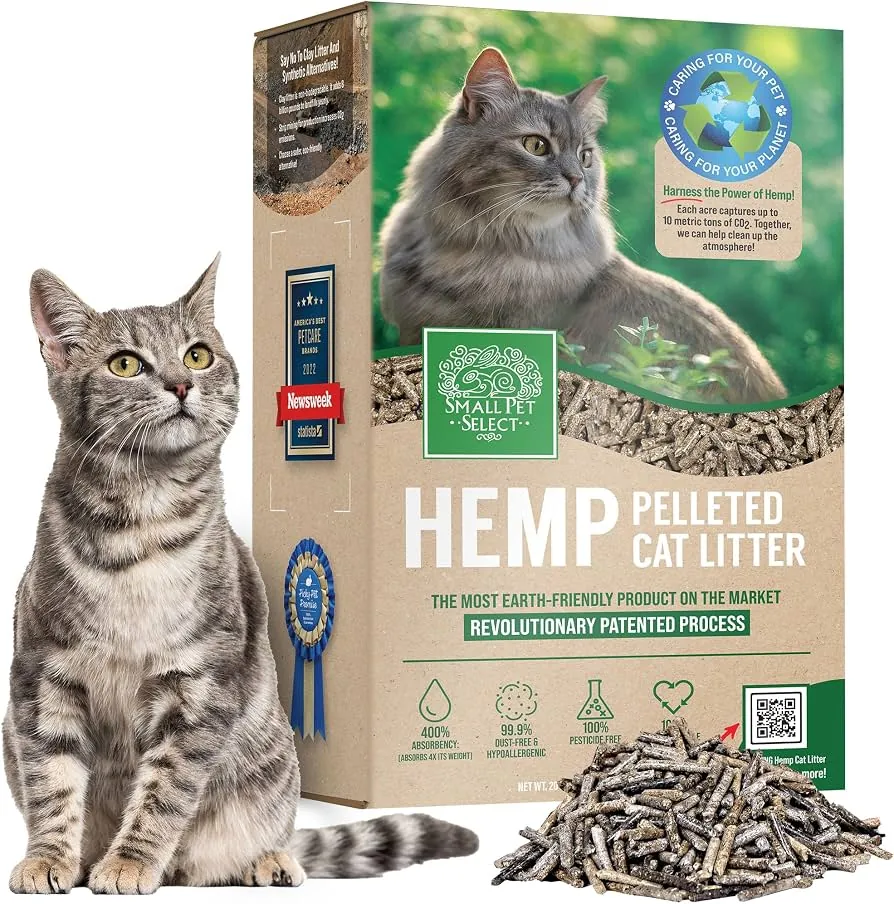
Dust and tracking are the two complaints that push people to switch litters, and both are manageable.
Cutting dust
- Choose low-dust formulas, typically crystals, paper, or larger-particle plant litters.
- Pour litter slowly from a low height to minimize the airborne cloud.
- Avoid the finest-grit clays if anyone in the home has asthma; fine clay dust is a known irritant.
Cutting tracking
- Use a litter mat with a textured or honeycomb surface outside the box.
- Choose larger particles — pellets track less than fine sand.
- Keep the box away from carpet when possible, and vacuum the surrounding area regularly.
The Litter Box Setup That Actually Works
A clean, odor-free environment depends as much on the box as the litter inside it.
| Setup Factor | Recommendation |
|---|---|
| Number of boxes | One per cat, plus one |
| Box size | At least 1.5x the length of your cat |
| Litter depth | 2–3 inches for clumping |
| Location | Quiet, low-traffic, easy to reach |
| Cleaning | Scoop daily, full change every 2–4 weeks |
Place boxes away from food and water, and avoid tucking them into a dark corner a cat has to squeeze into. If you have multiple cats, spread the boxes out rather than lining them up in one room.
Pro Tip: If your cat suddenly avoids the box, the litter is a prime suspect. Try an unscented, fine-grain litter in a clean, uncovered box before assuming a medical problem — but see a vet if avoidance continues, since urinary issues can be serious.
Budget and Value
Litter cost varies widely, and the cheapest bag isn’t always the cheapest month. Crystals and plant litters cost more per pound but often last longer per box, while clay is inexpensive but used in larger volumes.
| Litter Type | Approximate Monthly Cost (one cat) |
|---|---|
| Clay clumping | $10–$25 |
| Silica crystals | $20–$40 |
| Pine pellets | $10–$20 |
| Corn or wheat | $20–$35 |
| Grass seed | $25–$45 |
Prices vary by brand, bag size, and region, so compare cost per pound rather than cost per bag.
Common Mistakes to Avoid
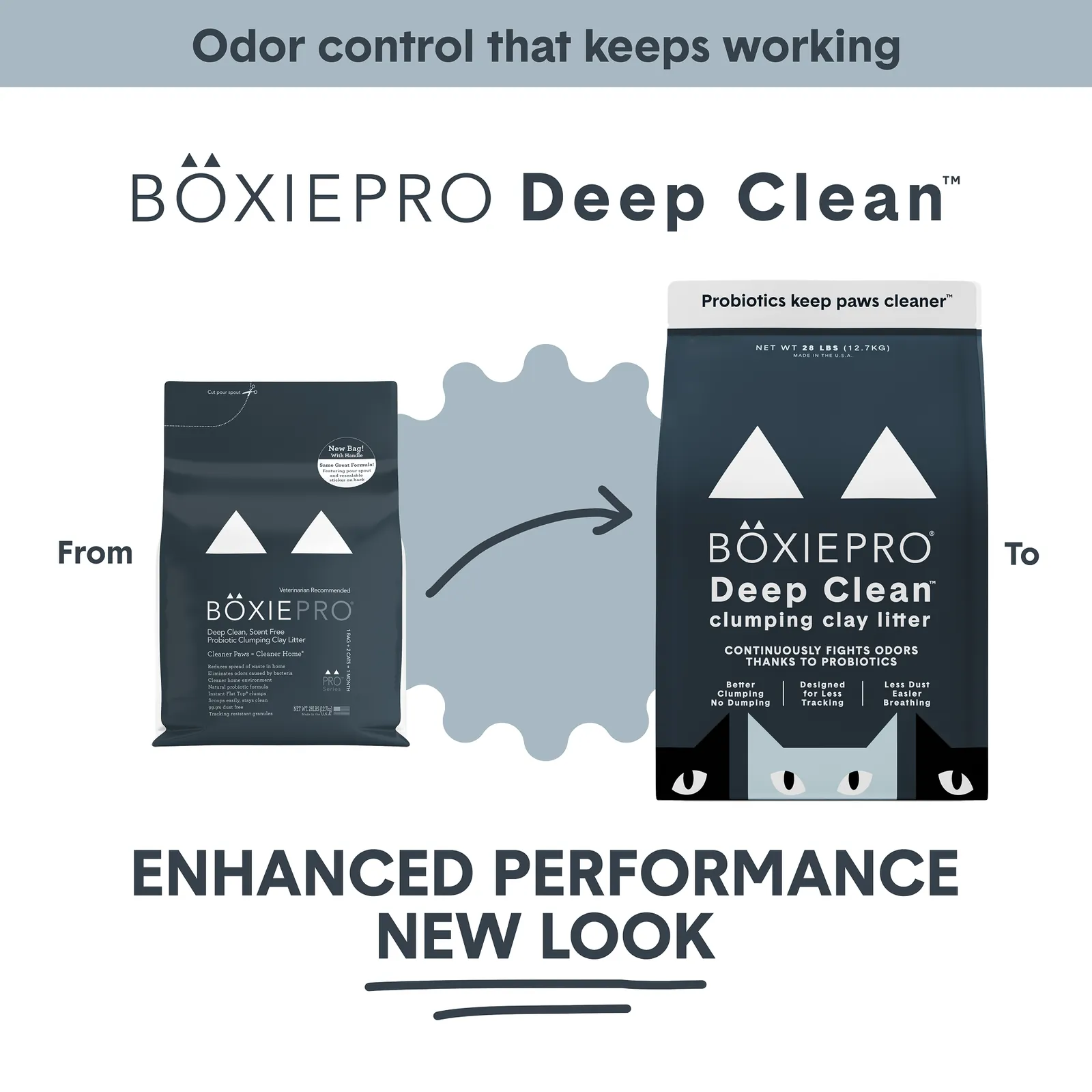
- Switching litters overnight. Mix new litter in gradually over 7–10 days.
- Over-scenting. Perfumed litter is a common trigger for avoidance.
- Letting the box get too shallow. Thin litter means weak clumps and a smellier box.
- Skipping the wash. Rinsing isn’t cleaning; residue builds up and holds odor.
- Ignoring your cat’s reaction. If they dig at the edges or go elsewhere, the litter is the message.
Frequently Asked Questions
What is the best cat litter for odor control?
Clumping clay with activated charcoal or baking soda generally controls odor best because it locks urine into removable clumps. Crystals also perform well by absorbing and drying urine. Whatever you choose, daily scooping matters more than the brand.
Is scented or unscented cat litter better?
Unscented is usually better. Cats have a much stronger sense of smell than humans, and artificial perfumes can make a box unpleasant or even trigger avoidance. Control odor by scooping often and washing the box, not by masking it.
How often should I change cat litter completely?
For clumping clay and crystals, every two to four weeks is typical. Paper and pellet litters usually need more frequent full changes. Scoop solids daily regardless of the litter type, and wash the box between full changes.
Is clumping litter safe for kittens?
Most veterinarians advise waiting until kittens are around three to four months old, since young kittens may ingest litter while exploring. Use a non-clumping, low-dust option until then, and ask your vet if you’re unsure.
Why does my cat refuse to use the litter box?
Common causes include a litter change, a dirty box, a scented product, or a box that’s too small or covered. Rule out medical problems with a vet first, especially if the behavior is sudden.
Does cat litter dust cause health problems?
Fine clay dust can irritate airways, particularly for people with asthma or allergies. Low-dust litters such as crystals, paper, and some plant-based options reduce exposure. Pouring litter slowly also limits airborne dust.
Conclusion
Choosing the right cat litter is really about matching material, scent, and texture to your cat while keeping the box clean enough that odor never gets a foothold. Start by picking one unscented, low-dust litter that suits your budget, transition gradually, and scoop daily — then adjust based on how your cat responds.
