
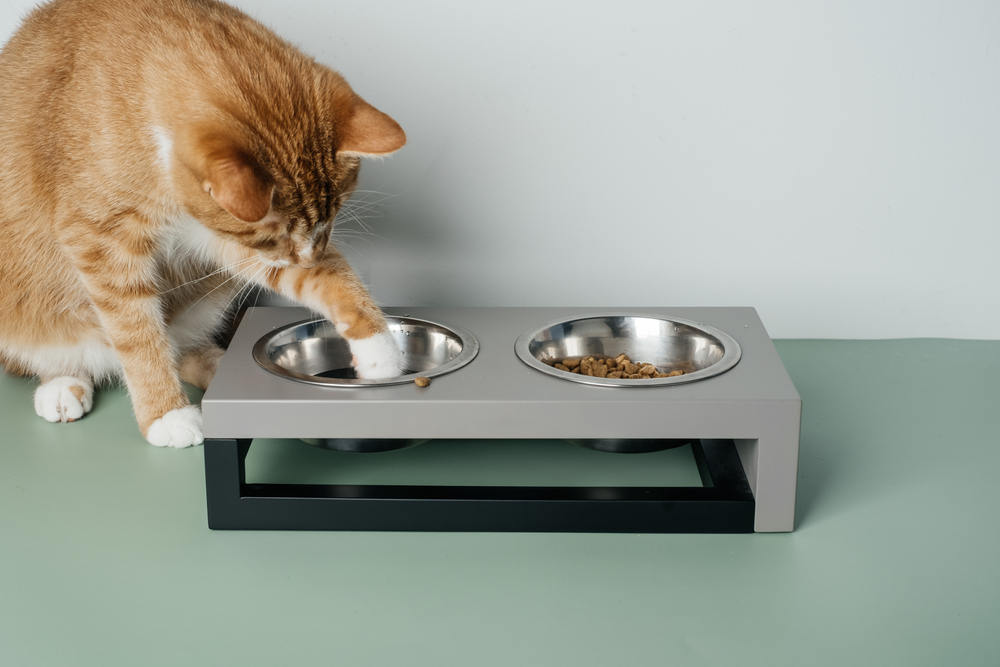
Have you ever noticed your cat reaching a paw into their water bowl before taking a sip? It might seem odd or even messy, but this curious behavior is actually quite common.
You might be wondering why your feline friend does this—are they playing, testing the water, or something else? Understanding why your cat paws at their water bowl can give you fascinating insights into their instincts and comfort. Keep reading, because uncovering the reasons behind this quirky habit will help you create a more enjoyable and stress-free drinking experience for your cat.
Cats And Water Interaction
Cats have unique ways of interacting with water. Many cat owners notice their pets pawing at the water bowl before drinking. This behavior puzzles many but is quite natural for cats. Understanding their water habits helps explain this curious action.
Cats do not always drink water directly. Instead, they often test or stir the water first. This interaction relates to their instincts and physical traits. Observing these behaviors gives insights into why cats act this way.
Pawing Behavior Explained
Cats use their paws to check water depth and movement. Their close-up vision is not very sharp, so tapping creates ripples. These ripples help cats see where the water level truly is.
Sensitive whiskers also influence this behavior. Bowls that are too narrow or deep may cause whisker discomfort. Pawing lets cats scoop water without touching their face to the bowl’s sides.
Instinct plays a role too. In the wild, cats prefer moving water, which is cleaner. Pawing mimics moving the water to clear debris or check safety before drinking.
Common Cat Water Habits
Many cats prefer fresh, moving water over still water. This preference is why some cats like drinking from taps or fountains. They often paw at water to create movement, making it more appealing.
Some cats enjoy playing with water, turning drinking into a game. This play can include splashing or pawing at the water bowl. It keeps them entertained and helps them stay hydrated.
Cats may also use pawing to test water temperature. They prefer water that is cool but not too cold. Pawing helps them feel the water before drinking.

Credit: thecatsite.com
Poor Near-vision And Water Pawing
Cats often paw at their water bowls due to poor near-vision. Their eyes focus better on objects far away than those up close. This makes it hard for them to see the water clearly. Pawing helps them understand the water’s position and depth. It is a natural way to check before drinking.
How Cats See Water
Cats have trouble seeing objects near their face. Water in a bowl looks shiny and still, making it hard to judge. The smooth surface reflects light in confusing ways. This can make the water seem like an unclear or moving surface. Pawing creates ripples that break the shine. These ripples help cats see where the water actually is.
Using Paw To Judge Depth
Pawing lets cats feel how deep the water is. Their paws splash or tap the surface to check for enough water. This action also moves the water, making it easier to spot. Cats avoid sticking their faces too close to water they cannot see well. Using their paw is a safer way to drink without surprise.
Whisker Sensitivity And Comfort
Cats rely on their whiskers for more than just looks. These special hairs help them sense the world around them. Whiskers detect objects and measure spaces. They are very sensitive and can feel tiny changes in air and touch. This sensitivity plays a big role in how cats interact with their water bowls. If a bowl causes discomfort to their whiskers, cats may paw at the water instead of drinking normally.
Understanding whisker sensitivity helps explain this behavior. Cats want comfort while drinking. If their whiskers touch the sides of a bowl too much, it can be irritating. Pawing lets them avoid this discomfort. It allows them to get water without pushing their face into the bowl. Whisker comfort often depends on the bowl’s shape and size.
Whisker Fatigue Causes
Whisker fatigue happens when a cat’s whiskers touch too many surfaces. Bowls that are deep or narrow cause whiskers to bend or brush the sides often. This can make cats feel stressed or annoyed. They may stop drinking or paw at the water to avoid touching the bowl edges.
Repeated contact with bowl walls overloads the nerves in whiskers. This causes discomfort or even pain. Cats then use their paws to scoop water instead of putting their faces deep inside the bowl. Whisker fatigue is a common reason for pawing behavior around water.
Bowl Shape Impact
The shape of the water bowl affects whisker comfort greatly. Wide, shallow bowls give whiskers room to move freely. Cats can drink without their whiskers touching the sides. Narrow or tall bowls trap whiskers against the edges. This leads to irritation and pawing.
Using a bowl with a gentle curve or a flat bottom helps. It stops whiskers from bending. Some cats prefer bowls made from different materials like ceramic or metal because these do not hold odors or cause extra discomfort. Choosing the right bowl shape can reduce pawing and make drinking easier for cats.
Instincts Behind Pawing Water
Cats paw at water because of deep-rooted instincts. This behavior traces back to their wild ancestors. It helps them test water safety before drinking. Pawing creates ripples, revealing water depth and movement.
Domestic cats keep this habit even today. Their paws explore water for comfort and caution. This action also helps them avoid discomfort from whiskers touching bowl edges. Understanding these instincts explains why cats behave this way around water bowls.
Wildcat Water Safety
Wildcats paw water to check for danger. Moving water is safer than still pools. Still water may hold bacteria or hidden threats. Pawing helps stir water to see beneath the surface. This behavior helps them avoid drinking unsafe water.
Domestic cats keep this safety check. They use their paws to sense water quality. This instinct remains strong, even in indoor pets.
Clearing Debris Instinct
Cats paw to clear floating debris or dirt. Their ancestors needed clean water to stay healthy. Pawing moves leaves or insects away from the water. It makes the water clearer and easier to drink.
This natural habit continues in house cats. They try to remove anything blocking their water bowl. This behavior helps keep their drinking area tidy and safe.
Playfulness And Curiosity
Cats are playful and curious creatures by nature. They often explore their surroundings using paws and senses. Pawing at the water bowl is one way cats express this curiosity. It can be a fun activity for them, mixing play with investigation.
This behavior helps cats engage with their environment. It also keeps them entertained while they check their water source. Understanding this can help pet owners appreciate their cat’s playful side.
Cats Enjoy Water Play
Many cats like to play with water. Pawing at the water bowl creates ripples and splashes. These movements catch their attention and spark their interest.
Playing with water is a form of entertainment. It satisfies their natural instincts to interact with moving objects. Water play can keep cats busy and happy.
Exploring Their Environment
Cats use their paws to explore objects around them. The water bowl is no exception. Pawing helps them test the water’s depth and movement.
This exploration is important for their understanding of the space. It helps cats feel safe and comfortable with their surroundings. Pawing is a natural way to investigate and learn.
Credit: catbehaviorassociates.com
Messy Water Bowls And Solutions
Messy water bowls can be a common issue for cat owners. Cats often paw at their water bowl, causing splashes and spills. This behavior can make your pet’s water area wet and slippery. It may also lead to water wastage and extra cleaning work for you. Understanding why your cat paws at the water can help you find the right solutions. Simple changes to the water bowl or water source can reduce the mess and keep your cat happy and hydrated.
Choosing The Right Bowl
Selecting a suitable water bowl can reduce pawing and spills. Cats prefer wide and shallow bowls that do not touch their whiskers. Narrow or deep bowls may cause whisker fatigue and discomfort. Materials like ceramic, stainless steel, or glass are easy to clean and less likely to hold odors. Avoid plastic bowls as they can trap bacteria and cause allergic reactions. Place the bowl on a non-slip mat to prevent it from moving when your cat paws at the water.
Benefits Of Water Fountains
Water fountains offer a steady flow of fresh water that attracts cats. Running water mimics natural streams and appeals to their instincts. Fountains help keep water clean and oxygenated, improving its taste. They reduce the chance of bacteria growth compared to stagnant water. Cats may paw less because fountains have a constant water movement. These devices often come with filters to remove impurities. Using a water fountain can keep your cat hydrated and your floor dry.
Encouraging Proper Hydration
Proper hydration is essential for your cat’s health and happiness. Cats naturally drink less water than many other animals. Encouraging your cat to drink enough water helps prevent health problems. Observing their behavior around the water bowl can give clues about their hydration habits.
Making Drinking Appealing
Cats prefer fresh and clean water. Changing their water daily keeps it inviting. Using a wide, shallow bowl helps avoid whisker discomfort. Some cats like running water, so try a pet fountain. Placing multiple water bowls around the house encourages more drinking. Adding a little flavor, like low-sodium broth, can also attract your cat.
Signs Of Dehydration In Cats
Dehydration can cause serious health issues in cats. Watch for dry gums and sunken eyes. Loss of skin elasticity is a common sign. A cat that drinks less and urinates less may be dehydrated. Lethargy and loss of appetite also indicate dehydration. If you notice these signs, consult your veterinarian promptly.
Credit: www.vetstreet.com
Frequently Asked Questions
Why Does My Cat Keep Pawing At His Water Bowl?
Cats paw at their water bowl to check water depth, avoid whisker discomfort, or mimic moving water for safety.
What Is The Highest Form Of Affection From A Cat?
The highest form of affection from a cat is slow blinking at you. It shows trust and love.
What Annoys Cats The Most?
Cats get annoyed by loud noises, strong smells, sudden movements, forced interactions, and uncomfortable environments.
How To Tell If A Cat Has Chosen You?
A cat chooses you by showing trust, following you, purring, kneading, and seeking your attention regularly.
Conclusion
Cats paw at their water bowls for several simple reasons. They check water depth or create ripples to see clearly. Sensitive whiskers may cause discomfort if the bowl is too narrow. This pawing also taps into their natural instincts from the wild.
Adjusting the bowl type or adding a water fountain can help reduce this behavior. Understanding why cats do this helps owners provide better care. Watching your cat’s habits can reveal much about their needs. It’s a small, curious habit with a practical side.
