
If you live with a cat who treats the living room like a spa and the couch like a throne, you aren’t alone — and the fix is easier than you think. The most practical ways to encourage indoor cats to exercise come down to turning your home into a hunting ground, scheduling short play sessions, and rotating toys so nothing gets stale. Below is a complete, no-fluff playbook you can start using today, whether your cat is a lazy senior or a bored two-year-old with energy to burn.
Key Takeaways

- Two to three short play sessions per day, 10–15 minutes each, beat one long marathon.
- A wand toy that mimics prey — darting, hiding, pausing — triggers the most natural exercise.
- Rotate toys weekly and keep a few “high-value” ones out of reach to prevent boredom.
- Food puzzles and scattered kibble turn mealtime into a workout with zero extra effort.
- Vertical space — cat trees, shelves, ramps — encourages climbing, which burns real calories.
- If your cat pants, limps, or refuses to move, stop and call your vet.
Why Indoor Cats Need a Workout
Indoor cats burn far fewer calories than outdoor cats because they aren’t hunting, patrolling territory, or climbing. Without that activity, they’re prone to obesity, which raises the risk of diabetes and joint disease. The Association for Pet Obesity Prevention has documented that a majority of US cats are overweight or obese, and indoor lifestyle is a leading contributor. Exercise also fights boredom, which is behind a lot of scratching, night yowling, and 3 a.m. zoomies.
Pro Tip: Think of play as a substitute hunt. A cat that “catches” the toy at the end feels satisfied; a cat that never catches it gets frustrated and quits.
Set a Realistic Play Schedule
Cats are crepuscular — most active at dawn and dusk. Work with that rhythm instead of against it.
| Time of Day | Session Length | Best Activity | Goal |
|---|---|---|---|
| Early morning | 10 min | Wand toy, fast chase | Burn energy before you leave |
| Afternoon | 5–10 min | Food puzzle or treat toss | Break up long naps |
| Evening | 10–15 min | Full hunt-and-catch sequence | Wind down before bed |
| Before sleep | 5 min | Quiet stalk-and-pounce | Prevent night zoomies |
Two to three sessions a day is the sweet spot. Consistency matters more than duration.
The Best Toys for Indoor Exercise
Not all toys are equal. The ones that move unpredictably and mimic prey get the best response.
- Wand toys with feathers or ribbon — the gold standard for active chase.
- Laser pointers — great for sprinting, but always end with a real toy your cat can catch.
- Crinkle balls and mylar springs — cheap, bat-friendly, easy to lose under furniture.
- Kicker toys — good for the “bunny kick” wrestling move.
- Remote-control mice — useful for cats who ignore stationary toys.
Warning: Never aim a laser at your cat’s eyes, and never let a laser session end without a tangible “catch” — it can cause obsessive behavior.
How to Make Play Feel Like Hunting
The secret to engaging a reluctant cat is prey mimicry. Move the toy like a real mouse or bird, not like a toy.
- Dart the toy quickly across the floor.
- Freeze behind furniture so the “prey” disappears.
- Peek it out slowly, twitching.
- Let the cat stalk for a few seconds.
- Sprint away, then let the cat catch it.
- Give a small treat or let them hold the toy briefly.
Do this loop three or four times per session. That stop-and-go pattern is what real hunting looks like.
Use Food Puzzles and Foraging
Mealtime is free exercise if you make your cat work for it.
| Puzzle Type | Difficulty | Best For |
|---|---|---|
| Scatter feeding on a mat | Easy | Beginners, seniors |
| Lick mats | Easy | Slow eaters |
| Ball-style kibble dispensers | Medium | Most adult cats |
| Maze or slider puzzles | Hard | Food-motivated, bored cats |
Start easy and increase difficulty only when your cat solves the current puzzle quickly. If a puzzle is too hard, your cat will walk away and you’ll have lost the exercise benefit.
Build Vertical Space
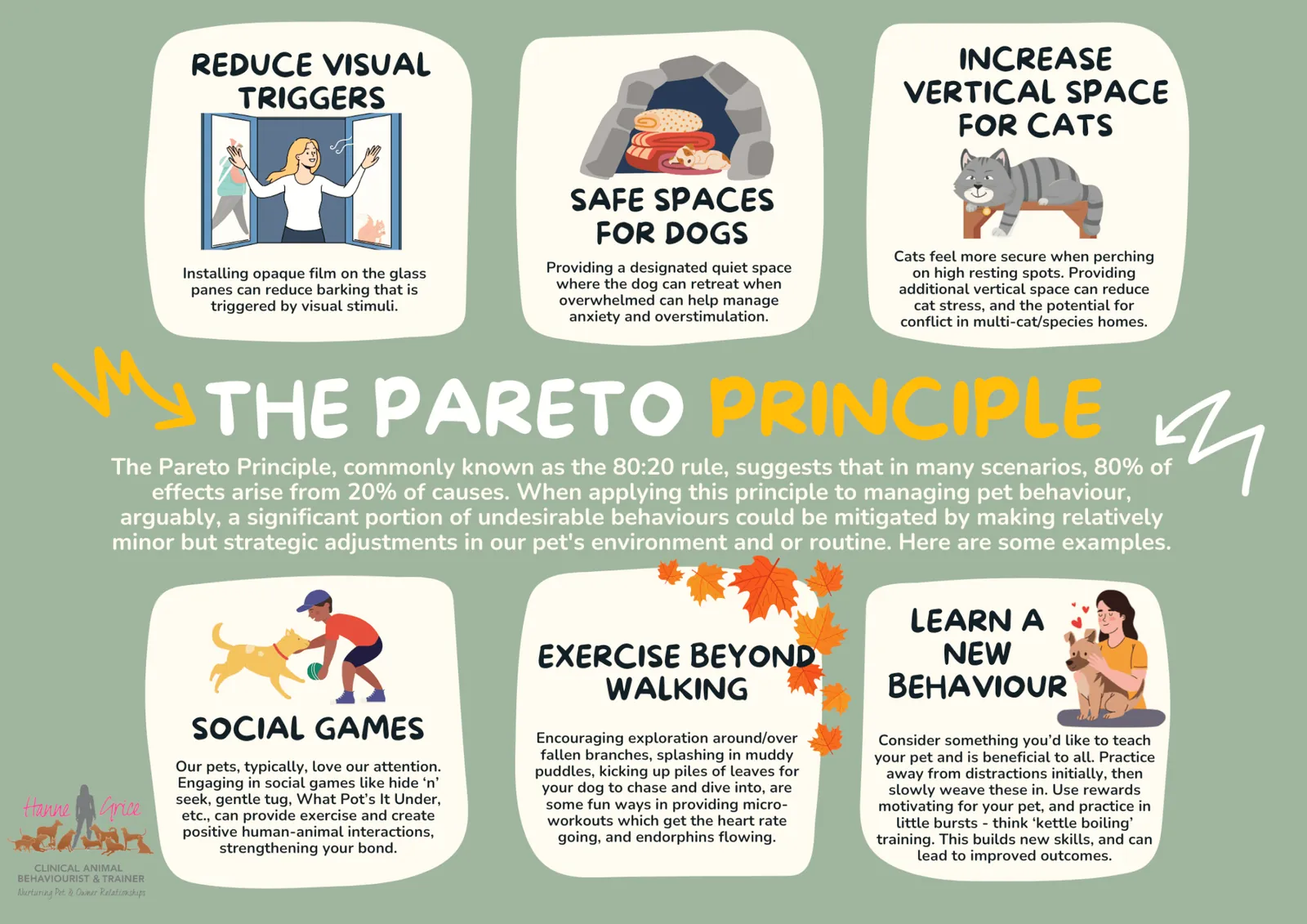
Cats climb naturally, so give them reasons to go up. Cat trees, wall-mounted shelves, and window perches all encourage jumping and stretching. Place them near windows so your cat gets “cat TV” — birds and squirrels — which triggers stalking even when the cat isn’t moving much.
Pro Tip: Put a treat or a favorite toy on a high shelf a few times a day. Your cat will climb for it, and each trip is a small workout.
Train Your Cat to Walk on a Harness
Harness training is one of the most underrated exercise tools. It gives your indoor cat safe outdoor stimulation and real walking exercise. Start indoors with the harness on for a few minutes, reward calm behavior, then gradually move to a hallway, then outside. Not every cat takes to it, but the ones who do get a genuine workout. The American Veterinary Medical Association offers guidance on safe outdoor access for cats, which is worth reading before you start.
Get a Second Cat (or a Playmate)
If your cat is social with other cats, a playmate can provide exercise you cannot. Wrestling, chasing, and ambushing each other burns serious energy. This only works if both cats are compatible — a mismatched pair creates stress, not play. Introduce slowly and watch body language.
Make Your Home a Playground
Small changes add up:
- Leave paper bags (handles removed) on the floor for hiding and pouncing.
- Rotate cardboard boxes weekly.
- Hang a toy from a doorframe on a string.
- Toss kibble up a staircase so your cat runs up and down.
- Hide treats under cups for a shell game.
Warning: Avoid string, ribbon, and yarn left unsupervised — ingestion can cause dangerous intestinal blockages requiring surgery.
Troubleshooting a Lazy Cat
Some cats need extra coaxing. Try these fixes:
| Problem | Likely Cause | Fix |
|---|---|---|
| Ignores the wand | Toy moves too predictably | Slow down, add pauses |
| Plays for 30 seconds | Boredom | Rotate toys, try new textures |
| Only plays lying down | Low motivation | Use food rewards, shorter sessions |
| Sudden refusal to move | Possible pain | Call your vet |
Senior cats and overweight cats often need shorter, gentler sessions. Never push a cat who is panting or hiding.
Frequently Asked Questions
How much exercise does an indoor cat need daily?
Most healthy adult cats benefit from 20–30 minutes of active play spread across two or three sessions. Kittens and young cats often need more, while seniors may do best with 10–15 gentle minutes. Watch your individual cat’s energy and adjust.
What if my cat won’t play with any toy?
Try food-based motivation first — puzzle feeders and tossed treats. Then experiment with textures: feathers, crinkle, fur, or motion-activated toys. Some cats prefer chasing, others prefer wrestling. Match the toy to your cat’s natural style.
Is a laser pointer bad for cats?
Not inherently, but it can cause frustration if the session never ends with a catch. Always finish with a physical toy or treat so your cat gets closure. Never shine it in eyes.
Can I exercise my cat without buying anything?
Yes. Scatter kibble, toss treats up stairs, hide food under cups, and use paper bags or boxes. Free play with household items works well as long as everything is safe and supervised.
How do I know if my cat is getting enough exercise?
A healthy cat should be alert, maintain a stable weight, and show interest in play. If your cat is gaining weight, sleeping constantly, or losing muscle tone, increase activity and check with your vet.
Should I walk my indoor cat outside?
Only with a properly fitted harness and leash, and only after training indoors. Outdoor access carries disease, parasite, and traffic risks, so supervised harness walks are far safer than letting a cat roam free.
Conclusion
Start tonight with one 10-minute wand session before bed, and end it with a treat your cat can actually catch. That single habit, repeated daily, does more for your indoor cat’s health than any fancy toy — and once you see the post-play flop, you won’t want to skip it.
