
If your veterinarian has told you that your older cat needs to put on weight, you’re probably looking at a thin, bony animal you have loved for years and wondering what changed. Helping an underweight senior cat gain weight starts with finding out why the weight came off, because in cats over about ten years old, weight loss is usually a symptom rather than a feeding problem. This article walks through the causes worth ruling out, the medical conditions that quietly steal weight, what to feed, how much, and how to track progress without guesswork.
Key Takeaways
- Weigh your cat on the same baby scale weekly; a change of 2% of body weight in a month is worth a vet call.
- Senior cats need more protein, not less — aim for 40% or more of calories from animal protein unless your vet says otherwise.
- Rule out hyperthyroidism, chronic kidney disease, diabetes, dental disease, and GI lymphoma before assuming it’s fussiness.
- Warm food to about 100°F and offer small meals 4–6 times daily; smell drives appetite in cats more than hunger does.
- Never free-feed a cat with a diagnosed medical condition without your vet’s sign-off on the diet.
- A body condition score of 4/9 or lower on a senior cat is a medical finding, not a cosmetic one.
Rule Out Medical Causes First
Weight loss in a senior cat is a red flag, and the list of causes is long enough that guessing wastes weeks you may not have. Cats are also masters at hiding illness, so a cat who still eats “fine” can be losing muscle to an underlying disease.
The most common culprits your vet will screen for:
- Hyperthyroidism — the single most common cause of weight loss in cats over 10, often with a ravenous appetite and a scraggly coat.
- Chronic kidney disease — very common in seniors; nausea and protein loss both drive weight down.
- Diabetes mellitus — weight loss with increased thirst and urination.
- Dental disease and oral pain — resorptive lesions, fractured teeth, and severe gingivitis make chewing painful.
- Inflammatory bowel disease and GI lymphoma — both cause malabsorption and often vomiting or diarrhea.
- Cancer anywhere, including the pancreas and intestines.
- Parasites — less common indoors, but still screened.
- Exocrine pancreatic insufficiency — rare but real, and treatable with enzyme supplementation.
A basic senior workup usually includes a complete blood count, chemistry panel, thyroid panel (T4), urinalysis, and often a fecal exam. If those are normal and weight loss continues, abdominal ultrasound or GI biopsy may be the next step.
Warning: Don’t start a high-calorie weight-gain diet before your vet rules out kidney disease and diabetes. A high-protein, high-fat diet can make kidney disease worse, and a high-carbohydrate diet can destabilize a diabetic cat.
Understand What “Underweight” Actually Means
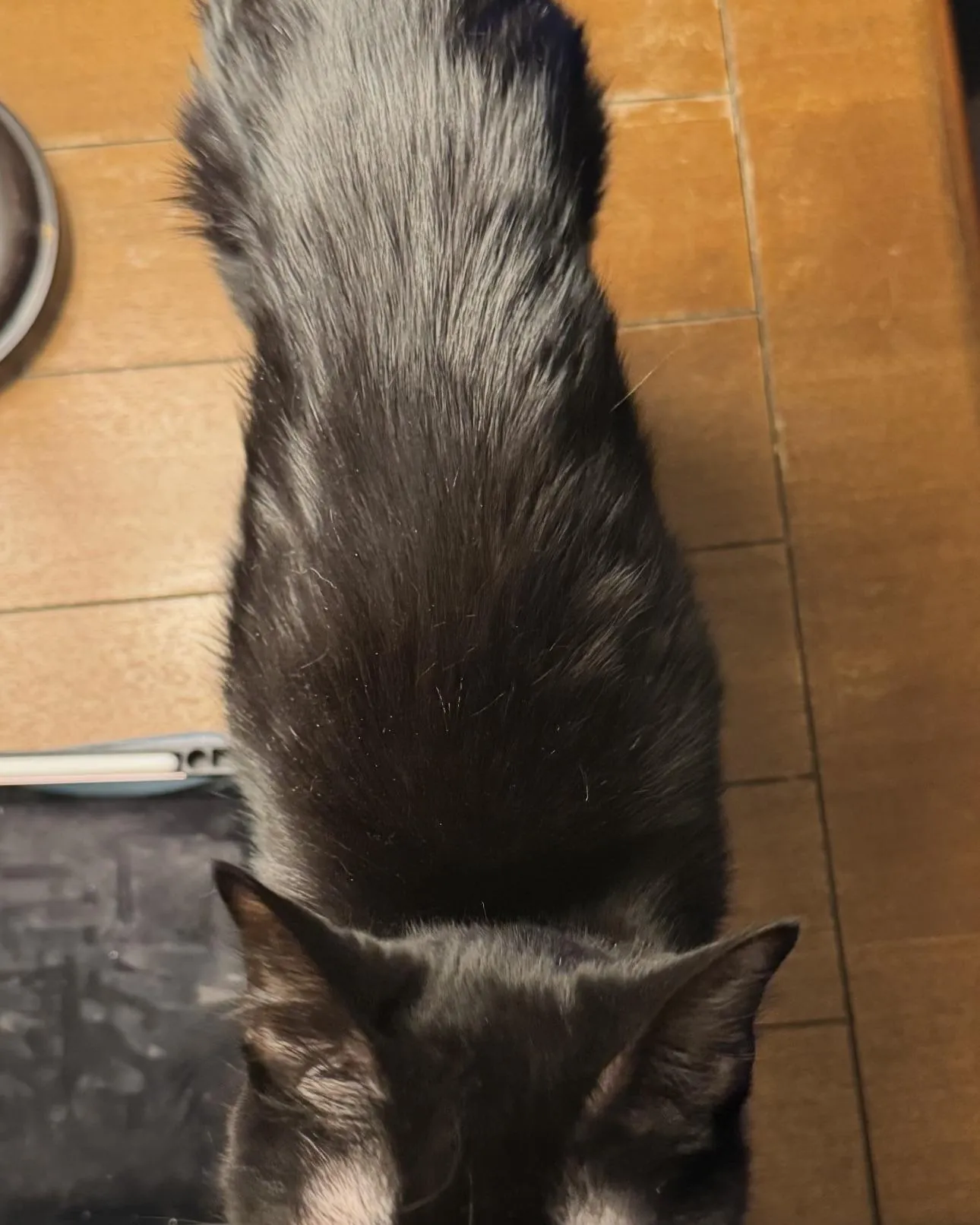
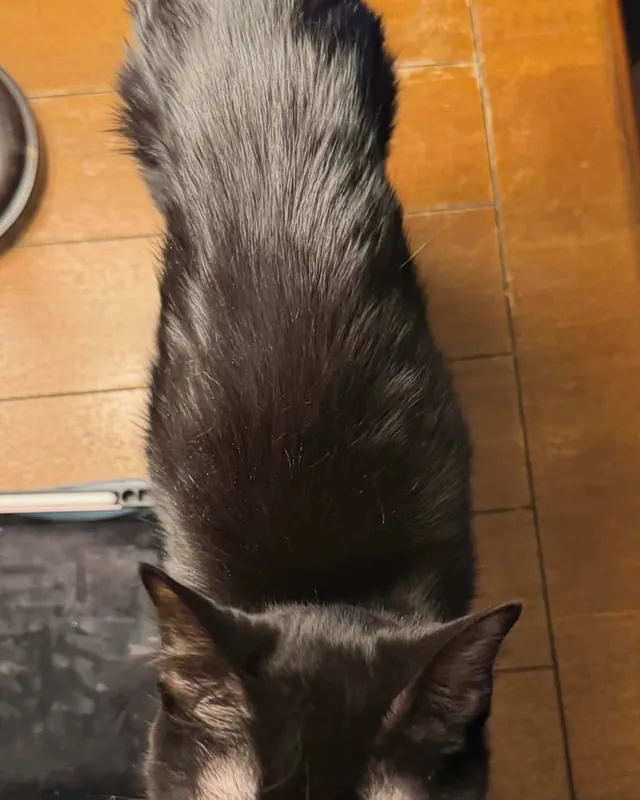
“Thin” and “underweight” aren’t the same thing, and the difference matters for how aggressively you intervene. Vets use a body condition score (BCS) on a 1–9 scale, where 4–5 is ideal for most cats.
| BCS | What You Feel | What It Means |
|---|---|---|
| 1–3 | Ribs, spine, and hip bones obvious; no fat; muscle wasting | Seriously underweight — vet visit now |
| 4 | Ribs easily felt with light pressure; slight fat cover | Borderline thin — monitor weekly |
| 5 | Ribs felt with gentle pressure; waist visible from above | Ideal |
| 6–7 | Ribs felt with firm pressure; waist less obvious | Slightly overweight |
| 8–9 | Ribs hard to feel; no waist; abdominal fat pad | Obese |
You can also check muscle condition separately from fat. Many senior cats aren’t fat-thin but muscle-thin, which points harder toward disease.
Weigh and Track Properly
Eyeballing your cat’s weight is unreliable — a 2% change on a 10-pound cat is only about 3 ounces, which is invisible under fur. Use a digital baby scale (a kitchen scale works for small cats) and weigh at the same time of day, ideally before breakfast.
Track it in a notebook or a phone note with the date. A healthy target for a recovering cat is roughly 1–2% of body weight gained per week, but your vet should set the actual goal. Weighing weekly catches problems early and gives your vet real data instead of impressions.
Choosing Food to Help an Underweight Senior Cat Gain Weight
Senior cats have different needs than kittens or young adults. The old advice to restrict protein in older cats has largely been reversed; unless kidney disease is diagnosed, senior cats generally do better on higher protein to preserve muscle.
| Diet Type | Best For | Calories per Ounce (typical) | Notes |
|---|---|---|---|
| Standard adult canned | Maintenance | 25–35 | Baseline; not a weight-gain diet |
| Kitten food (canned) | Healthy underweight seniors | 35–45 | Higher fat and calories; easy to digest |
| Recovery / critical care diets | Post-illness, very thin cats | 40–55 | Prescription; ask your vet |
| Renal diets | Diagnosed kidney disease | 25–35 | Protein-restricted; only if prescribed |
| Diabetic diets | Diagnosed diabetes | 25–35 | Low-carb, high-protein; only if prescribed |
| High-calorie gel / paste | Short-term topping | 90–120 | Nutri-Cal and similar; use sparingly |
Pro Tip: A teaspoon of plain canned pumpkin or a little warm water stirred into wet food can improve texture and smell without adding many calories, which helps cats who are reluctant to eat at all.
Feeding Strategies That Actually Work
Getting calories into a cat who doesn’t want to eat is a skill. These approaches work in combination.
- Warm the food to about 100°F (roughly body temperature) — it releases aroma, and smell is what triggers a cat’s appetite.
- Offer small meals 4–6 times daily rather than two large ones; a nauseated cat can often manage a few bites at a time.
- Rotate proteins — chicken, turkey, salmon, rabbit, venison — to prevent boredom, but introduce new foods slowly.
- Try different textures — pâté, shreds, mousse, and flaked styles appeal to different cats.
- Use shallow, wide dishes so whiskers aren’t pressed against the sides.
- Feed away from the litter box and away from other pets.
- Hand-feed or use a food puzzle for cats who need encouragement.
- Add a topper — a spoonful of tuna water, a bit of plain cooked chicken, or a commercial food topper designed for picky cats.
If your cat refuses food for more than 24 hours, call your vet. Cats who stop eating can develop hepatic lipidosis, a serious and potentially fatal liver condition.
Appetite Stimulants and Medical Support
When home strategies aren’t enough, your vet has pharmaceutical options. These aren’t shortcuts — they’re tools for specific situations.
- Mirtazapine — a commonly prescribed appetite stimulant, available as a tablet or transdermal gel.
- Capromorelin (Elura) — an FDA-approved appetite stimulant for cats with weight loss from chronic disease.
- Cerenia (maropitant) — an anti-nausea medication that helps cats who are nauseated rather than uninterested.
- Anti-emetics and GI protectants — for cats with vomiting or ulcers.
- B12 injections — often helpful in cats with GI disease.
- Assisted feeding — a feeding tube placed by your vet can be lifesaving for cats who can’t eat enough on their own.
Warning: Never give a cat human appetite stimulants, human pain relievers, or leftover medications from another pet. Many common human drugs are toxic to cats.
When to Call the Vet
Call your vet promptly if any of these occur:
- Weight loss of 2% or more in a month, or continued loss despite increased feeding.
- Refusal to eat for more than 24 hours.
- Vomiting more than once or twice a week.
- Diarrhea lasting more than 48 hours.
- Hiding, lethargy, or personality change.
- Difficulty chewing, dropping food, or bad breath.
- Increased thirst or urination.
Frequently Asked Questions
How much should an underweight senior cat eat per day?
Most adult cats need roughly 20–30 calories per pound of ideal body weight daily, so a 10-pound cat needs about 200–300 calories. Underweight cats often need more, and your vet should calculate a specific target based on the cat’s ideal weight and diagnosis.
Is wet food better than dry for weight gain?
Wet food is usually better for senior cats because it’s more aromatic, easier to chew, and provides water. Dry food is more calorie-dense per bite, so some vets recommend a mix. The best choice depends on your cat’s diagnosis.
Can I just feed my cat more of her regular food?
You can, but if she has an underlying disease, more food may not help and could worsen the condition. If she is healthy and simply thin, increasing portions of a higher-calorie diet is reasonable — with your vet’s guidance.
Why is my senior cat losing weight but still eating?
This is the classic pattern of hyperthyroidism, diabetes, or GI disease. A cat who eats well but loses weight isn’t getting the nutrition from the food, either because of malabsorption or because the body is burning it abnormally fast.
Are there supplements that help senior cats gain weight?
Some vets recommend omega-3 fatty acids, B12, and probiotics for GI support. A few prescription diets and supplements are formulated for weight gain. Always check with your vet before adding anything.
How long does it take for a cat to gain weight?
With the underlying cause treated and good nutrition, most cats gain 1–2% of body weight per week. Full recovery can take one to three months. Slow, steady gain is safer than rapid weight gain.
Conclusion
The single most useful next step is to book a senior wellness exam and ask for a full blood panel including a T4, then start a weekly weight log the same day. Bring that log to your vet — real numbers turn “she seems thinner” into a diagnosis you can act on, and give your cat the best shot at putting the weight back on safely.
