
Bringing home a new kitten is exciting, but most first-time (and even repeat) cat owners make the same handful of preventable mistakes in the first week. Getting the setup right before your kitten walks through the door prevents illness, injuries, and behavior problems that can take months to undo. This guide covers the common mistakes preparing home for new kitten owners make, and exactly how to fix each one before pickup day.
Key Takeaways
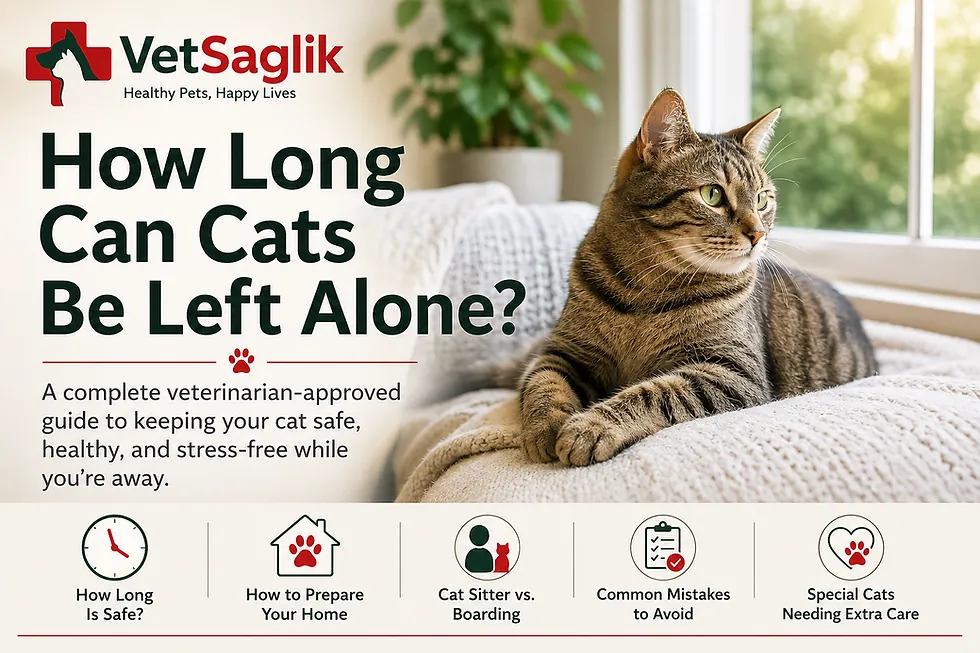
- Set up one safe room first. A bathroom or small bedroom with food, water, litter box, and a hiding spot beats giving a kitten the whole house on day one.
- Skip cow’s milk entirely. Most cats are lactose intolerant; offer fresh water and kitten-formula food instead.
- Secure hazards before arrival. Blind cords, open windows without screens, and reclining furniture cause real injuries to small kittens.
- Budget $600–$1,200 for the first year, covering supplies, vaccinations, spay/neuter, and microchipping.
- Book a vet visit within 72 hours of bringing your kitten home, even if it seems healthy.
- Introduce resident pets slowly, through scent and barriers, never face-to-face on day one.
Common Mistakes Preparing the Kitten Room
The single biggest mistake is giving a new kitten free run of the entire house immediately. A kitten dropped into 2,000 square feet of unfamiliar space will hide, stop eating, and may not find the litter box in time.
Why One Room Works Better
Start with a safe room — a bathroom or small bedroom. This lets your kitten:
- Find food, water, and litter within a few feet
- Feel secure enough to eat and sleep
- Let you monitor litter box use for early health warnings
- Adjust to your household’s sounds and smells gradually
Keep the kitten in this room for 3–7 days, then expand access one room at a time. Kittens under 12 weeks have poor impulse control and no sense of height danger, so supervision during exploration matters.
Pro Tip: Put a worn t-shirt in your kitten’s bed before pickup. The familiar scent reduces stress during the first nights, which are often the loudest.
Choosing the Wrong Litter Box Setup
Many owners buy one small litter box and place it next to the food bowl. Both choices backfire.
Litter Box Rules That Matter
| Rule | Why It Matters | What to Do |
|---|---|---|
| One box per cat, plus one | Prevents guarding and accidents | Two kittens = three boxes |
| Keep boxes away from food | Cats avoid eating near waste | Separate corners or rooms |
| Low entry sides | Kittens can’t jump high yet | Use a shallow pan until 4–5 months |
| Unscented clumping litter | Strong scents deter use | Switch gradually if needed |
| Scoop daily | Kittens are fastidious | Full change weekly |
Avoid covered boxes at first. They trap odors and give a kitten only one escape route, which anxious cats dislike.
Feeding Mistakes That Cause Diarrhea
Switching food abruptly is one of the most common causes of kitten diarrhea in the first week. Ask the breeder or shelter what food the kitten currently eats and buy that exact brand.
Foods to Avoid
- Cow’s milk — causes digestive upset in most cats
- Dog food — lacks taurine, an essential amino acid for cats
- Raw fish in large amounts — destroys thiamine over time
- Table scraps and tuna — creates picky eaters and nutritional gaps
Feed kitten-specific food four times daily until about 6 months old, then twice daily. Free-feeding dry food works for some kittens but makes weight monitoring harder.
Warning: Never leave a kitten alone with a full bowl of unfamiliar food. Sudden diet changes plus stress can trigger vomiting or diarrhea within hours.
Ignoring Household Hazards
Kittens explore with their mouths and can squeeze into gaps you’d never notice. Walk your home at kitten height before arrival.
Hazard Checklist
| Hazard | Risk | Fix |
|---|---|---|
| Blind cords | Strangulation | Tie up or use cordless blinds |
| Open windows | Falls | Install screens on every window |
| Recliners and sofa beds | Crushing | Check before sitting or closing |
| Lilies and sago palms | Poisoning | Remove entirely — see ASPCA’s toxic plant database |
| Small toys and hair ties | Intestinal blockage | Store in closed containers |
| Uncovered trash | Choking, toxicity | Use lidded bins |
| Washer, dryer, oven | Trapped kitten | Check before every use |
Electrical cords deserve special attention. Kittens chew them, and a live cord can cause burns or electrocution. Use cord covers or bitter-apple spray on exposed wires.
Skipping the Vet Visit
Book a veterinary appointment within 72 hours of bringing your kitten home. Even a seemingly healthy kitten can carry parasites, fleas, or upper respiratory infections that show up days later.
What the First Visit Covers
- Fecal test for roundworms, coccidia, and giardia
- Flea and tick check, plus preventive treatment
- Vaccination schedule review (typically starting at 6–8 weeks)
- Microchip placement, often done during spay/neuter
- Weight baseline to track growth
Bring any records from the breeder or shelter. If none exist, the vet will restart the vaccine series, which is safer than assuming prior coverage.
Botching the Resident Pet Introduction
Tossing a new kitten and an existing cat or dog into the same room is a recipe for fear, fights, and lasting tension. Introductions take 1–3 weeks minimum.
Step-by-Step Introduction
- Isolate the kitten in its safe room with the door closed.
- Swap scents — rub a cloth on each animal and place it near the other’s food.
- Feed on opposite sides of the closed door so they associate each other with good things.
- Crack the door with a baby gate or stacked gates for visual contact.
- Supervise short meetings — 5 minutes, then separate.
- Extend gradually over days, not hours.
For dogs, keep the dog leashed during early meetings and reward calm behavior. Never punish growling or hissing; it suppresses warning signals and increases bite risk later.
Buying the Wrong Supplies
Owners often overspend on cute items and underspend on essentials. Here’s a realistic first-year budget.
| Category | Typical Cost | Notes |
|---|---|---|
| Initial supplies (bed, litter box, carrier, bowls) | $150–$300 | One-time |
| Food and litter | $300–$500/year | Varies by brand |
| Vet care (vaccines, spay/neuter, microchip) | $200–$400 | Higher in cities |
| Emergency fund | $500+ | Set aside before you need it |
Essentials You Actually Need
- Sturdy carrier with a removable top
- Ceramic or stainless steel bowls (plastic holds bacteria)
- Nail clippers and a soft brush
- Kitten-safe toys — no small bells that detach
- Enzyme cleaner for accidents
Skip: catnip (kittens under 6 months usually ignore it), expensive beds (they’ll choose a box), and automatic feeders (portions are hard to control for growing kittens).
Forgetting Identification

Microchips and collars aren’t optional. Kittens slip out of doors during the adjustment period, and a collar with a tag gets them home fastest.
- Microchip at the first vet visit; register your contact info immediately
- Breakaway collar with an ID tag, once the kitten weighs enough (usually 2 pounds)
- Updated photos in case you need to make lost-pet flyers
Pro Tip: Take a clear photo of your kitten next to a ruler weekly. It tracks growth and gives you a current image if you ever need it.
Frequently Asked Questions
How long should a new kitten stay in one room?
Plan for 3–7 days in a single safe room. Extend the stay if your kitten is still hiding, not eating reliably, or having litter box accidents. Slow expansion prevents overwhelm and gives you time to kitten-proof the rest of the house before granting access.
Should I give my new kitten milk?
No. Most cats are lactose intolerant after weaning, and cow’s milk causes diarrhea. Offer fresh water at all times and feed a complete kitten formula food. If your kitten seems to want more fluids, consult your vet rather than reaching for milk.
What’s the biggest mistake first-time kitten owners make?
Giving the kitten too much space too soon. A whole house overwhelms a young kitten, leading to hiding, missed meals, and litter box accidents. A small safe room builds confidence first, and gradual expansion keeps the transition calm for everyone.
How much does the first year with a kitten cost?
Expect roughly $600–$1,200 total, covering supplies ($150–$300), food and litter ($300–$500), and veterinary care ($200–$400). Emergency visits or unexpected illness push costs higher, so set aside a separate fund before bringing your kitten home.
Do I need two litter boxes for one kitten?
Yes, at least two, placed in different locations. Kittens have accidents when a single box is far away or dirty. Once your kitten is reliably using the box and older than 6 months, you can sometimes reduce to one, but two remains the safer long-term setup.
When can my kitten meet my other pets?
Start scent swapping on day one, but delay face-to-face meetings for at least a week. Introduce through a cracked door or gate first, then supervise short sessions. Rushing this step is the top cause of long-term tension between cats and between cats and dogs.
Conclusion
Getting the room, litter setup, food, and vet visit right in the first week sets the tone for years. Before pickup day, write a checklist, kitten-proof one room completely, and schedule that first vet appointment — then let your kitten set the pace for everything else.
