
You’ve just welcomed a litter of adorable newborn kittens, and your heart is bursting with love. Naturally, you want to reach out and gently hold them, but you might be wondering: how long after kittens are born can you safely touch them?
It’s a delicate balance between caring for these tiny lives and respecting the mother cat’s instincts. Touching them too soon or the wrong way can cause stress or even rejection from their mom. But waiting too long might make you miss crucial moments to check on their health.
You’ll discover exactly when and how to interact with newborn kittens to keep both them and their mother happy and healthy. Keep reading to learn the simple, expert-backed guidelines that will help you become the best caretaker for these precious little ones.
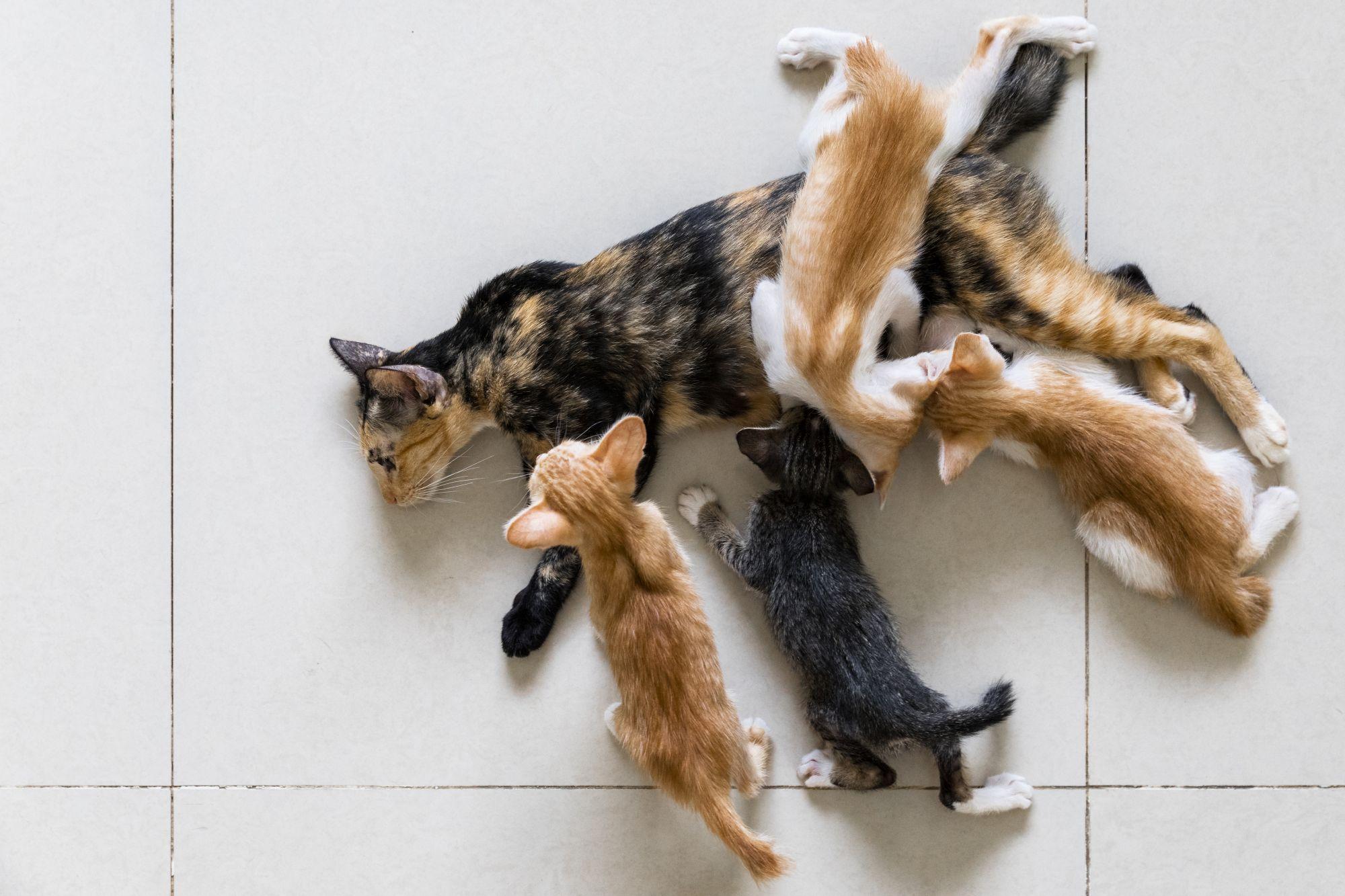
Credit: www.four-paws.org
When To Touch Newborn Kittens
Knowing when to touch newborn kittens is important for their health and safety. Newborns are very delicate. Their mother usually cares for them without needing much help. Timing your touch can prevent stress or rejection from the mother cat. Understanding the right moments to handle kittens helps ensure their well-being.
Immediate Handling For Emergencies
Touch kittens right away if an emergency happens. If a kitten is cold or injured, you must act quickly. Orphaned kittens need feeding and warmth immediately. If a kitten is stuck or not nursing, gently pick it up. In case the mother cat is aggressive or stressed, remove kittens carefully.
Waiting Period With Mother Present
Wait about two weeks before touching kittens if the mother is calm. Early handling can upset the mother cat. She might move or reject her babies if disturbed. During this time, let the mother care for her litter naturally. Always wash hands before touching to avoid germs.
Signs Mother Cat Accepts Handling
Watch the mother cat’s behavior closely. She accepts handling if she stays calm and relaxed. If she allows you near the kittens without hiding or growling, it is a good sign. The mother may even groom you or stay close. Always stop touching if she shows stress or tries to protect her kittens.
Safe Handling Practices
Handling newborn kittens requires care and patience. Their bodies and immune systems are very fragile. The mother cat also plays a big role in their safety. Learning safe handling practices helps protect both mother and kittens. This section covers simple steps to follow.
Washing Hands Before Touching
Always wash your hands before touching kittens. Clean hands reduce the risk of spreading germs and infections. Use warm water and soap. Dry your hands well to avoid transferring moisture. Clean hands protect kittens from harmful bacteria.
Minimizing Stress For Mother And Kittens
Keep the environment calm and quiet during handling. Loud noises and sudden movements can scare the mother cat. Watch her body language closely. If she seems nervous or defensive, give her space. Stress can cause the mother to reject her kittens or move them.
Gentle Touch Techniques
Use soft, slow movements when handling kittens. Support their small bodies fully with both hands. Avoid squeezing or holding too tightly. Limit touching sessions to a few minutes to avoid tiring them. Gentle handling helps kittens feel safe and secure.
Situations Requiring Immediate Intervention
Some situations require immediate action with newborn kittens. Delaying can risk their health or safety. Knowing when to intervene is key. Quick and gentle handling can save lives in emergencies.
Always watch the mother cat’s behavior closely. Her stress or aggression may signal danger to the kittens. Intervene carefully to protect all of them.
Orphaned Or Abandoned Kittens
Orphaned kittens need care right away. They cannot feed or keep warm alone. You must touch them to provide warmth and nutrition. Bottle feeding and a safe nest are essential. Handle these kittens gently to avoid causing more stress.
Medical Emergencies
Newborn kittens can face urgent health issues. Coldness, injury, or failure to nurse are red flags. If a kitten is stuck or separated from the nest, pick it up carefully. Immediate care can prevent severe complications or death. Clean hands and soft touch matter here.
Mother Cat Aggression Or Stress
Stress or aggression in the mother cat may harm kittens. She might hide, hiss, or attack when disturbed. If she endangers her babies, remove the kittens safely. Give the mother space to calm down. Monitor her behavior before reintroducing handling.
How To Recognize Mother Cat’s Behavior
Understanding the mother cat’s behavior helps decide when it is safe to touch her kittens. Mother cats communicate through body language and actions. Recognizing her mood prevents stress or aggression. Observing her closely guides your approach to the kittens.
Calm And Accepting Signs
A calm mother cat lies near her kittens without tension. She grooms them gently and purrs softly. Her eyes may be half-closed or relaxed. She allows you to approach slowly and does not hiss or growl. These signs show she trusts you and feels safe.
Stress And Protective Reactions
Watch for signs of stress like pacing or vocalizing loudly. The mother may flatten her ears or flick her tail. She might hiss, growl, or swat if you get too close. These actions warn you to be cautious. She protects her kittens fiercely at this stage.
When To Back Away
If the mother hides her kittens or tries to move them, step back. Avoid sudden movements or loud noises near her nest. Backing away lowers her stress and prevents aggression. Give her space and time to feel secure before trying again.
Tips For Gradual Introduction
Introducing yourself to newborn kittens needs care and patience. Gradual introduction helps kittens feel safe and loved. It also keeps the mother cat calm. Follow these tips to touch kittens gently and at the right time.
Timing For First Holds
Wait at least two weeks before holding kittens regularly. The first days are very sensitive for them and their mother. Only touch kittens early if there is an emergency or health check. This helps avoid stress and rejection by the mother cat.
Building Trust With The Mother Cat
Approach the mother cat slowly and quietly. Let her see and smell your hands first. Speak softly to calm her nerves. Always watch her body language closely. If she seems nervous or aggressive, give her space. Gaining her trust makes handling kittens safer.
Monitoring Kittens’ Responses
Watch how kittens react to your touch. Some may freeze or cry if scared. Others might stay calm or even purr. Handle them gently and for short times. Stop if they show signs of distress. This helps kittens get used to human contact safely.
Common Mistakes To Avoid
Knowing when and how to touch newborn kittens is important. Mistakes can cause stress or harm to the kittens and their mother. Avoid common errors to keep the family safe and healthy.
Handling Too Early
Touching kittens too soon can upset the mother cat. She may feel threatened and reject her babies. Newborns are fragile and need time to grow before regular handling. Wait at least two weeks unless there is an emergency.
Ignoring Mother Cat’s Signals
Watch the mother cat closely. If she seems nervous or angry, do not approach the kittens. Cats use body language to protect their young. Respect her signals to avoid stress or aggression. Step back if she tries to hide her kittens.
Transferring Germs To Kittens
Newborn kittens have weak immune systems. Dirty hands can pass harmful germs to them. Always wash your hands before touching kittens. Keep the area clean to prevent infections. This simple step protects both the kittens and their mother.

Credit: www.wikihow.com
Frequently Asked Questions
What Is The 3-3-3 Rule For Kittens?
The 3-3-3 rule for kittens means: wait 3 weeks to touch, 3 weeks to handle gently, and 3 weeks to socialize fully.
Do Mother Cats Reject Their Kittens If Humans Touch Them?
Mother cats usually do not reject kittens if humans touch them gently and briefly. Avoid handling during the first two weeks to prevent stress. Always watch the mother’s reaction and wash hands before touching to protect kittens’ health. Intervene only if kittens need urgent care or are in danger.
What Not To Do After A Cat Gives Birth?
Avoid disturbing the mother cat or handling kittens for two weeks to prevent stress or rejection. Do not neglect hygiene when touching them. Refrain from leaving the mother alone if she shows signs of distress or aggression. Intervene only in emergencies or if kittens need urgent care.
Can I Leave My Cat Alone After She Gives Birth?
Do not leave your cat alone immediately after birth. Stay nearby to monitor her and her kittens for at least two weeks. Ensure she feels safe and stress-free to care properly for her litter. Seek help if any kitten or mother shows signs of distress or health issues.
Conclusion
Newborn kittens need gentle care and patience. Wait about two weeks before regular touching. Always watch the mother cat’s behavior closely. Handle kittens only when necessary early on. Clean hands help keep kittens healthy. Respect their space to build trust safely.
This approach supports both mother and kittens well.
