
Older cats slow down, sleep more, and look a little different — and most of that’s normal aging, not illness. Knowing how to manage normal physical changes in older cats means separating the expected from the alarming, then adjusting food, water, litter, grooming, and veterinary care to match. This article covers what changes are normal, how to tell them apart from disease, and the concrete steps that keep an older cat comfortable.
Key Takeaways
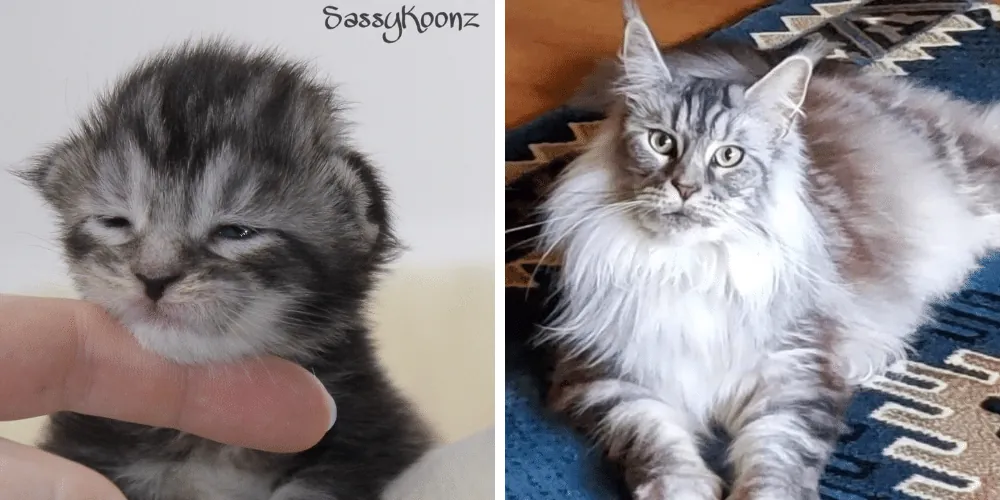
- Cats are considered senior around 11 years and geriatric from about 15, so screening should start before symptoms appear.
- The American Association of Feline Practitioners recommends twice-yearly vet visits for cats 11 and older, because cats hide illness well.
- Muscle loss along the spine, cloudy eyes, and thicker claws are usually age-related — sudden weight loss, limping, and thirst are not.
- Warming food slightly, raising bowls, and adding a low-entry litter box solve three of the most common daily problems.
- A body condition score check every month catches weight loss weeks before it becomes visible.
- Never give human pain relievers; many are toxic to cats even in tiny doses.
What Counts as Normal Physical Changes in Older Cats
Aging in cats is gradual and predictable in its broad strokes. The coat gets thinner and duller. The spine becomes more prominent as back muscles shrink — a change called sarcopenia, the same muscle loss seen in older people. The lens of the eye clouds with a bluish haze (nuclear sclerosis), which isn’t the same as a cataract. Claws thicken, curl, and shed less often. Sleep stretches to 16–20 hours a day, and play sessions get shorter.
None of that requires treatment. What matters is the direction and speed of change. A cat that has always been lazy isn’t a concern; a cat that stopped jumping onto the bed last month is.
Normal Change or Warning Sign?
Use this table as a first filter. The right-hand column is the one that should prompt a call to your vet.
| Physical change | Usually normal | Needs a vet visit |
|---|---|---|
| Weight | Steady, or slight loss of muscle tone | Loss of 5% or more in a month |
| Appetite | Slightly pickier, smaller portions | Refusing food 24 hours or more |
| Water intake | Mild increase in hot weather | Drinking noticeably more, every day |
| Mobility | Slower jumps, stiffer mornings | Limping, yowling when lifted, not grooming |
| Eyes | Bluish haze, slight cloudiness | Redness, discharge, bumping into things |
| Litter box | Occasional miss from a high rim | Straining, accidents outside the box, blood |
| Vocalization | More meowing at night | Sudden howling, disorientation, pacing |
Pro Tip: Weigh your cat monthly on a kitchen scale and write it down. A trend line tells you more than any single number, and your vet will ask for it.
The Five Systems That Change Most
Muscles and joints
Arthritis affects a large share of cats over 12, though cats rarely limp the way dogs do. Instead they stop jumping, hesitate on stairs, and groom less. Keep food, water, and litter on one floor. Add a ramp or a low step to the sofa and bed. Soft, heated bedding helps stiff joints, and a pet-specific joint supplement with glucosamine or green-lipped mussel is worth discussing with your vet.
Kidneys and bladder
Kidney function declines with age, and chronic kidney disease is one of the most common diagnoses in senior cats. The first sign is usually increased thirst and urination. Offer multiple water sources — a fountain, wide bowls, and a cup left running — and switch to wet food if your cat tolerates it. A litter box with a low entry rim, placed on every floor your cat uses, prevents accidents caused by urgency.
Teeth and mouth
Dental disease is common and painful, and cats often keep eating despite it. Watch for dropping food, chewing on one side, bad breath, or drooling. Professional cleaning under anesthesia is safe for most seniors after bloodwork, and it often restores appetite and mood within days.
Skin and coat
Older cats groom less, so mats form along the back and around the tail base. Brush daily with a soft slicker, and ask your vet about omega-3 fatty acids, which support skin and coat. If your cat stops grooming one specific area, that spot may hurt.
Senses
Vision and hearing both fade. Keep furniture in place, use night lights, and approach from the front so you don’t startle a cat who can’t hear you coming. Talk in a lower register — low frequencies are lost last.
Feeding an Older Cat
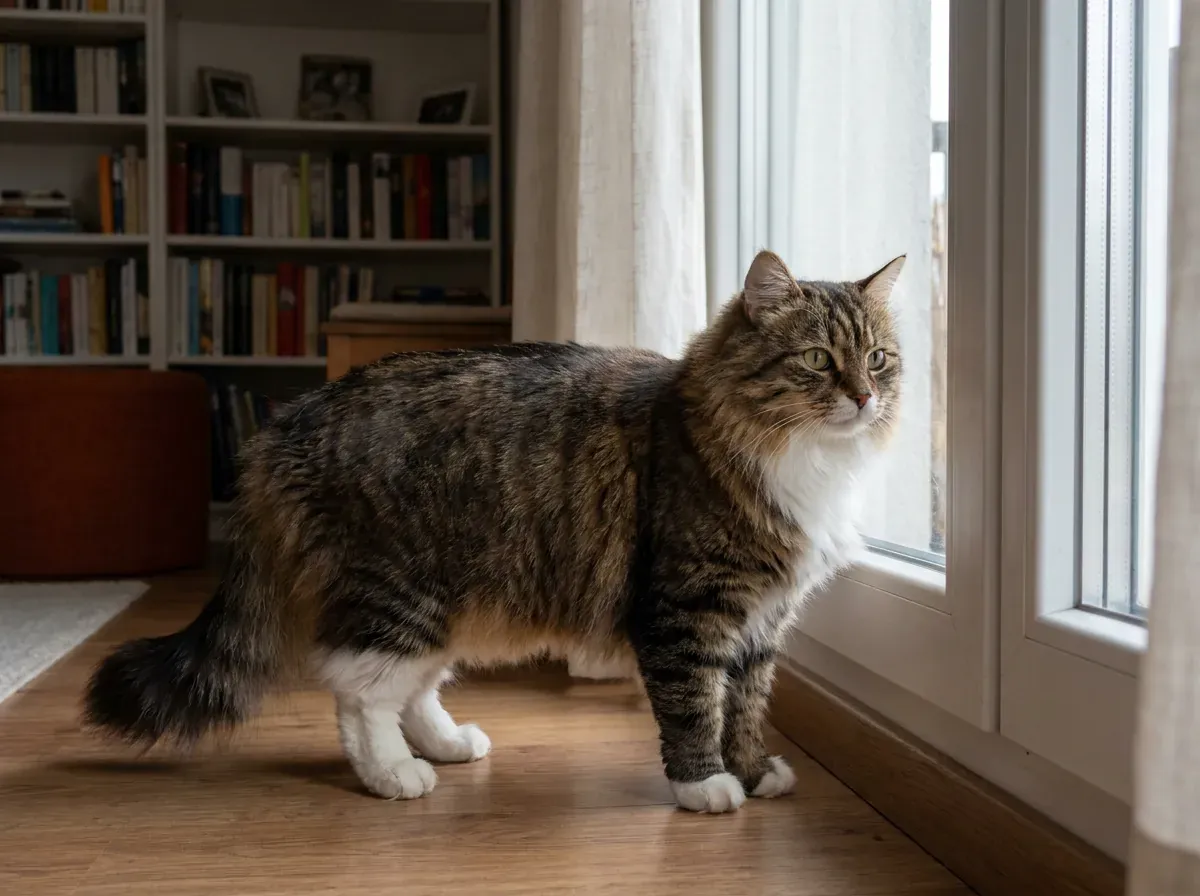
Older cats need more protein, not less, to slow muscle loss, plus highly digestible fat and plenty of water. Look for a senior or mature formula with named meat as the first ingredient and roughly 30–40% protein on a dry-matter basis. Warm wet food to just below body temperature to boost aroma, which matters when smell declines.
| Situation | What to try |
|---|---|
| Picky eater | Warm food, add a spoon of warm water or tuna water |
| Weight loss | Higher-calorie senior or kitten formula, vet-approved |
| Kidney diagnosis | Prescription renal diet — don’t self-prescribe |
| Dental pain | Pâté instead of chunks, softened kibble |
| Nausea | Smaller, more frequent meals, raised bowl |
Warning: Never switch a cat with a diagnosed kidney or heart condition to a new diet without your vet’s approval. The wrong protein or phosphorus level can do real harm.
Making the Home Easier
Small changes remove most daily friction for an older cat.
- Litter boxes: low sides, one per floor, scooped daily
- Ramps and steps: to the sofa, bed, and favorite window perch
- Heated bed: a pet-safe heated mat or a microwavable pad under a blanket
- Raised bowls: a stack of books works fine to lift food to chest height
- Night lights: plug-in lights along the route to the litter box
- Non-slip rugs: on hard floors, especially near stairs
Grooming and Hygiene
Daily brushing takes two minutes and prevents painful mats. Check claws every two weeks — thick senior claws curl into the pad if left untrimmed, and many cats stop scratching enough to wear them down. Wipe eyes with a damp cotton pad if discharge builds up. If your cat can’t reach the rear end, a warm damp cloth once a day prevents skin irritation.
Bathing is rarely necessary and stressful; spot-cleaning is better. A veterinary groomer can handle mats your cat won’t tolerate you removing.
Pain, Mobility, and Comfort
Cats hide pain instinctively. Signs include hiding more, reduced jumping, a hunched posture, growling when picked up, and over-grooming a sore joint. Your vet has safe options — meloxicam at feline doses, gabapentin, and newer monoclonal antibody injections for arthritis pain. Ask specifically about pain control rather than waiting for your cat to cry out.
Warning: Never give ibuprofen, acetaminophen, aspirin, or any human painkiller to a cat. A single acetaminophen tablet can be fatal. The FDA’s animal drug safety information explains why cats metabolize these drugs so differently.
Vet Care Schedule for Seniors
| Age | Visit frequency | Typical screening |
|---|---|---|
| 7–10 years | Once a year | Physical exam, weight, dental check |
| 11–14 years | Twice a year | Bloodwork, urinalysis, blood pressure |
| 15+ years | Twice a year or more | Above, plus thyroid and mobility review |
Ask for a body condition score and a muscle condition score at every visit. Both are quick, free, and track decline better than weight alone.
Frequently Asked Questions
At what age is a cat considered senior?
Most veterinary guidelines place cats at 11 years and older in the senior category, with 15 and up considered geriatric. Aging varies by breed and individual, so a healthy 12-year-old may still act middle-aged. The label matters mainly because it changes how often your vet wants to see your cat.
Is cloudiness in an older cat’s eyes normal?
A bluish, hazy look caused by nuclear sclerosis is normal and rarely affects vision much. True cataracts look gray-white and opaque, and they do impair sight. Redness, cloudiness that appears suddenly, discharge, or a cat bumping into furniture all warrant an exam rather than watchful waiting.
Why is my older cat losing weight but still eating?
Common causes include hyperthyroidism, chronic kidney disease, diabetes, inflammatory bowel disease, and dental pain. All are treatable or manageable, and all need bloodwork and a urinalysis to sort out. Book a vet visit within a week or two rather than waiting for the next routine appointment.
Should I switch my senior cat to senior food?
Not automatically. Senior diets vary widely, and some restrict protein in ways that accelerate muscle loss in healthy cats. If your cat is doing well on its current food and maintaining weight, changing it may cause more problems than it solves. Discuss any switch with your vet first.
How do I know if my older cat is in pain?
Watch for behavior rather than crying. Hiding, reduced jumping, sleeping more, eating less, over-grooming one spot, and irritability when touched are the usual clues. Video your cat moving and show it to your vet — that footage is often more useful than an exam-room observation.
Are nighttime meowing and restlessness normal?
Some increase in vocalization is common with age, especially in cats with fading hearing or vision. But sudden night howling, pacing, and disorientation can signal high blood pressure, hyperthyroidism, or cognitive dysfunction. Have it checked rather than assuming it’s just old age.
Conclusion
Start tonight with two things: weigh your cat and book a senior wellness exam if it has been more than six months. Those two steps catch most of the changes that matter while they’re still easy to manage.
