
Have you noticed your cat drinking more water than usual? It can be worrying when your furry friend suddenly seems extra thirsty.
You might be wondering if this is just a harmless change or a sign that something serious is going on. Understanding why your cat is gulping down so much water is important because it could be an early warning of health issues like kidney problems, diabetes, or thyroid disease.
Keep reading to learn what could be causing this change and what you should do next to keep your cat happy and healthy.
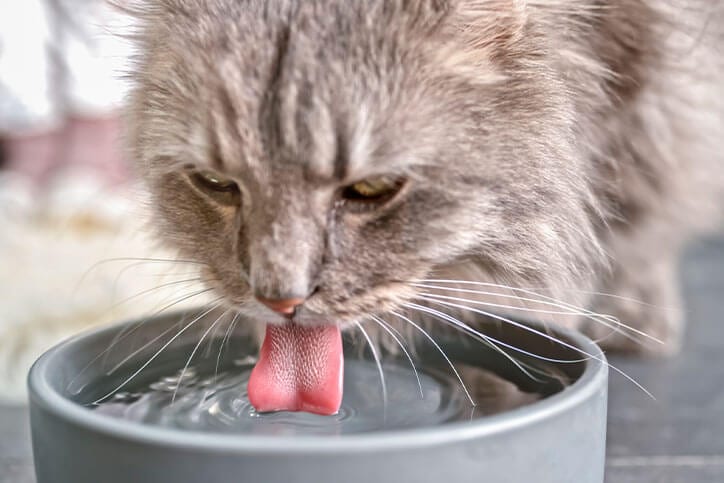
Credit: www.limerickvet.com
Signs Of Excessive Drinking
Noticing your cat drinking more water than usual can signal health issues. Identifying signs of excessive drinking helps catch problems early. Watch your cat’s water intake and behavior closely. Changes might point to medical conditions requiring attention. Understanding these signs aids in keeping your cat healthy and comfortable.
How Much Water Is Too Much
Cats usually drink about 2.5 to 4.5 ounces of water daily per five pounds of body weight. Drinking significantly more than this is a warning sign. If your cat drinks double or triple the normal amount, it may be excessive. Track water consumption for a few days to spot unusual patterns. Sudden increases are more concerning than gradual changes.
Changes In Urination Patterns
Excessive drinking often leads to frequent or larger urination. Your cat may urinate outside the litter box or more often than usual. Observe if your cat strains or appears uncomfortable during urination. These changes can indicate urinary tract infection or kidney problems. Note any blood in the urine or strong smells as well.
Age And Thirst Levels
Older cats tend to drink more water naturally. Aging kidneys may not concentrate urine well, causing increased thirst. Younger cats with sudden thirst spikes need more immediate attention. Always consider your cat’s age when evaluating drinking habits. Consistent, large increases in thirst require veterinary advice regardless of age.
Common Medical Causes
A sudden rise in your cat’s water intake often signals health issues. Various medical conditions cause excessive thirst. Understanding these common medical causes helps you spot problems early. Some illnesses disrupt how your cat’s body handles fluids. This leads to increased water drinking and urination. Pay close attention to these signs to protect your cat’s health.
Kidney Disease Effects
Kidney disease is frequent in older cats. Diseased kidneys cannot concentrate urine well. This causes your cat to lose more water in urine. To replace lost fluids, your cat drinks more water. Other signs include weight loss and poor appetite. Early detection can slow disease progression.
Diabetes Mellitus Impact
Diabetes mellitus affects how your cat processes sugar. High blood sugar spills into the urine. Sugar draws water with it, increasing urine volume. Your cat drinks more to stay hydrated. Symptoms include increased hunger and weight loss. Insulin treatment often controls this condition.
Hyperthyroidism Symptoms
Hyperthyroidism means the thyroid gland is overactive. This speeds up your cat’s metabolism a lot. The body processes fluids faster than normal. Increased thirst and urination follow. Your cat may also lose weight despite a good appetite. Medication can manage this disease well.
Urinary Tract Infections
Urinary tract infections cause irritation and pain when urinating. Cats may drink more water to flush out bacteria. Frequent urination and accidents outside the litter box occur. Infected urine may appear cloudy or bloody. Prompt veterinary care is essential for treatment.
Non-medical Factors
Cats may drink more water for many reasons beyond health issues. Some non-medical factors influence their thirst and hydration habits. These can vary from the environment to their diet and weather changes.
Understanding these factors helps you see why your cat might be drinking more water than usual. It can also guide you in making simple changes to their surroundings or care.
Environmental Influences
Your cat’s environment affects how much water they need. Dry indoor heating or poor air circulation can make the air dry. This dryness causes cats to lose moisture faster, prompting them to drink more.
Changes in their living space, such as moving to a new home, can also stress cats. Stress may lead to increased water consumption as a comfort behavior.
Diet And Water Intake
The type of food your cat eats impacts their thirst. Dry kibble has less moisture than wet food. Cats eating mostly dry food often drink more water to stay hydrated.
Some cats may also drink more after eating salty or flavored treats. These foods can increase thirst and encourage extra water drinking.
Weather And Temperature Effects
Warm weather or hot seasons cause cats to drink more water. Higher temperatures make them lose fluids through panting or sweating from their paws.
During summer or heat waves, cats need extra water to stay cool. Even indoor cats feel this effect if the house gets warmer than usual.
Monitoring Your Cat’s Behavior
Monitoring your cat’s behavior closely helps spot health problems early. Changes in water intake might be the first sign something is wrong. Watch your cat’s habits and note any differences carefully. This will provide useful information for your vet.
Tracking Water And Litter Box Changes
Keep track of how much water your cat drinks daily. Measure the water bowl before and after to see the exact amount. Also, check the litter box often. Note how many times your cat urinates and the urine’s appearance. More frequent or larger amounts of urine can signal health issues.
Noticing Other Health Signs
Look for other changes in your cat’s health. Watch for weight loss, changes in appetite, or unusual tiredness. Observe if your cat vomits or coughs more than usual. Pay attention to any changes in behavior, like hiding or irritability. These signs combined with increased drinking could mean illness.
When To Record Observations
Write down your observations every day. Record water intake, litter box use, and other symptoms. Keep notes for at least one week to spot clear patterns. Share these notes with your vet during check-ups. This will help the vet diagnose the problem faster and more accurately.
Diet Adjustments And Hydration
Diet plays a key role in your cat’s water intake. Changing what your cat eats can affect how much water it needs. Understanding the differences between wet and dry food helps manage hydration well. Also, switching diets carefully avoids stress and health problems. Small changes in daily feeding and water habits support your cat’s well-being.
Wet Food Vs. Dry Food
Wet food contains about 70-80% water. This helps keep your cat hydrated naturally. Dry food has less than 10% water. Cats eating mostly dry food usually drink more water. Wet food can reduce the need for extra water intake. It also supports kidney health and urinary tract function. Offering wet food can lower your cat’s thirst levels.
Transitioning Diets Safely
Switch diets gradually over 7 to 10 days. Mix new food with old food slowly. This prevents stomach upset and refusal to eat. Watch your cat’s water drinking during the switch. Sudden changes can cause stress and increased thirst. Keep feeding times and amounts consistent. Consult your vet if your cat shows signs of illness.
Hydration Tips For Cats
Provide fresh water daily in clean bowls. Use multiple water stations around the house. Try a cat water fountain to encourage drinking. Place wet food meals at regular times. Add small amounts of water or broth to dry food. Avoid flavored or salty water that may harm your cat. Monitor your cat’s water intake and urination patterns. These simple steps support healthy hydration habits.

Credit: petfolk.com
When To Visit The Veterinarian
Recognizing when your cat needs a veterinarian’s care is vital. Excessive water intake can signal serious health problems. Acting quickly can prevent complications and improve your cat’s quality of life. Knowing the warning signs and preparing well helps your vet provide the best care.
Urgent Symptoms To Watch For
Look for sudden changes in drinking habits. Excessive thirst combined with frequent urination is a red flag. Vomiting and diarrhea alongside increased water intake need quick attention. Notice if your cat seems very weak or unsteady. Rapid breathing or hiding more than usual also signals a problem. These symptoms require immediate veterinary care.
Preparing For The Vet Visit
Write down your cat’s water intake and behavior changes. Note any other symptoms like weight loss or appetite changes. Bring a list of medications and supplements your cat takes. Have your cat’s medical history ready for the vet. Use a secure carrier to keep your cat calm during travel. Arriving prepared helps the vet diagnose faster and more accurately.
Questions To Ask Your Vet
Ask what tests will check your cat’s condition. Find out if the increased thirst is due to a disease. Request advice on managing your cat’s drinking habits. Inquire about diet changes or medications that can help. Ask how to monitor your cat’s symptoms at home. Clear answers guide you in caring for your cat better.
Managing Excess Thirst At Home
Managing excess thirst at home requires careful attention and simple actions. Excessive water drinking in cats can signal health issues or environmental factors. Monitoring your cat’s water intake helps catch problems early. Providing the right care supports your cat’s wellbeing and comfort.
Encouraging Proper Hydration
Offer fresh water several times a day to keep it appealing. Use wide, shallow bowls to make drinking easier for your cat. Place multiple water stations around the house to encourage drinking. Try adding ice cubes or a pet water fountain to attract interest. Wet cat food also increases moisture intake naturally.
Home Remedies And Precautions
Keep your cat’s water clean and changed daily to prevent bacteria buildup. Avoid giving milk or sugary drinks that can upset digestion. Watch for signs like lethargy or changes in bathroom habits. Limit salty treats that increase thirst unnecessarily. If your cat drinks nonstop or shows other symptoms, contact a vet quickly.
Long-term Care Strategies
Maintain regular vet checkups to monitor your cat’s health over time. Keep a record of daily water consumption to spot changes early. Adjust your cat’s diet based on vet advice to manage hydration better. Create a calm, stress-free environment as anxiety can increase thirst. Stay observant and proactive to help your cat stay healthy.

Credit: petcube.com
Frequently Asked Questions
Should I Be Worried If My Cat Is Drinking A Lot Of Water?
Excessive water intake in cats can signal health issues like kidney disease, diabetes, or hyperthyroidism. Monitor urination and consult a vet promptly. Environmental factors or diet changes may also increase thirst but rule out medical causes first.
What Counts As Excessive Thirst In Cats?
Excessive thirst in cats means drinking significantly more water than usual, often over 50% increase daily. It may indicate illness like kidney disease or diabetes. Monitor for frequent urination and consult a vet if you notice sudden, persistent increased water intake.
Is It Normal For Cats To Drink More Water As They Get Older?
Yes, older cats often drink more water due to health issues like kidney disease, diabetes, or hyperthyroidism.
How Many Times A Day Should My Cat Drink Water?
Cats should drink water several times daily, typically 2-4 times, depending on diet, activity, and environment.
Conclusion
Excessive water drinking in cats often signals a health issue. Watch for other signs like frequent urination or weight changes. Older cats commonly face kidney problems or diabetes causing thirst. Environmental factors like heat can also make cats drink more.
Always monitor your cat’s behavior closely. A vet visit can help identify the exact cause. Early action protects your cat’s health and comfort. Stay attentive and keep your feline friend safe and happy.
