
Bringing a new kitten into your home is an exciting experience, but it also comes with important responsibilities. One key question many cat owners ask is, “When do kittens get neutered?” Knowing the right time to neuter your kitten can help keep them healthy, happy, and well-behaved.
If you’re wondering about the best age for this procedure and how it benefits your furry friend, you’re in the right place. Keep reading to discover the ideal timeline for neutering, why early neutering can be a smart choice, and how it can improve your kitten’s life — and yours.
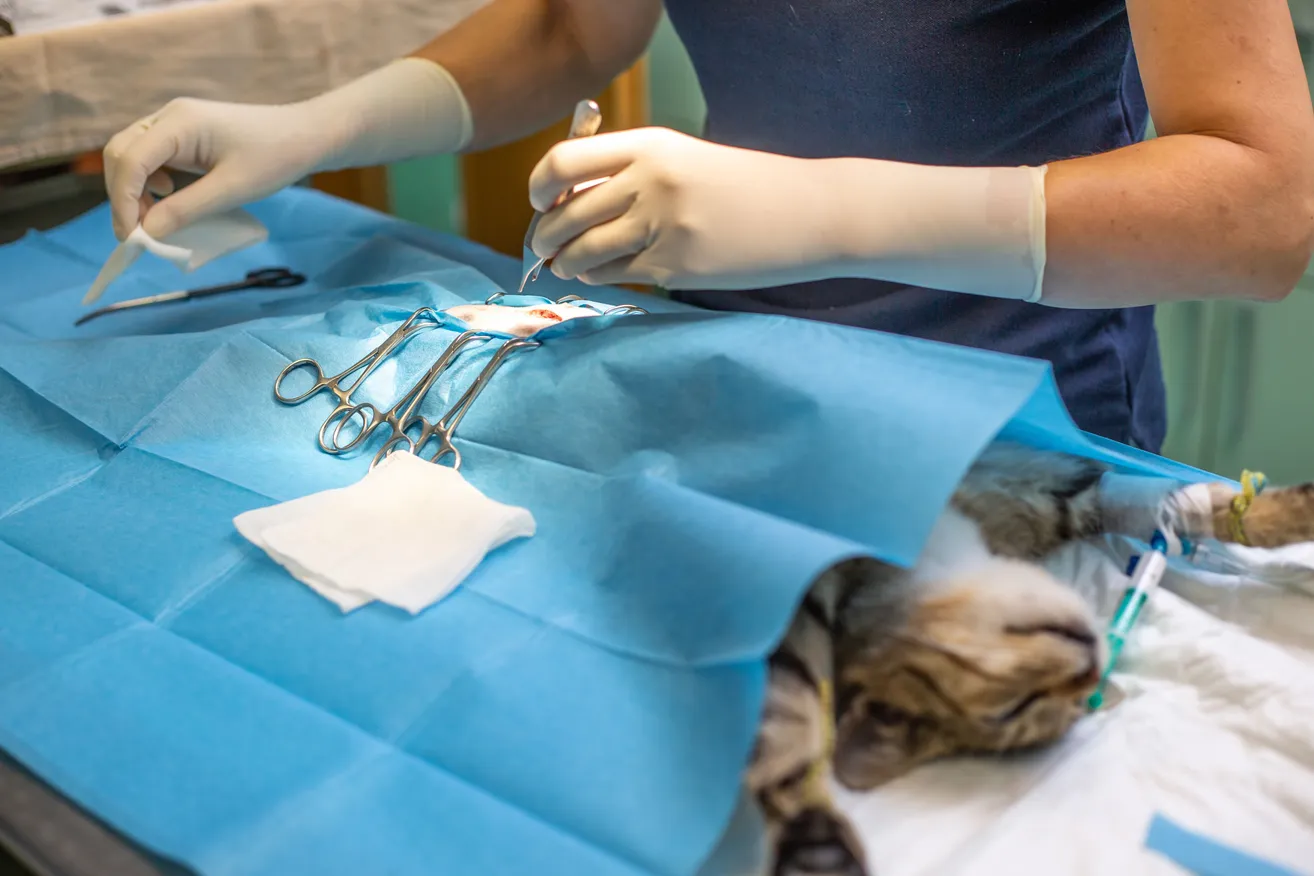
Credit: www.lakepoint-resort.com
Ideal Age Range
Choosing the ideal age range to neuter kittens is important for their health and behavior. Neutering too early or too late can affect recovery and long-term benefits. Most vets agree on a general age range that balances safety with effectiveness.
Early Neutering Benefits
Neutering kittens as early as eight weeks old is safe and effective. Early neutering helps prevent unwanted behaviors like spraying and roaming. It also reduces the risk of some cancers later in life. Recovery tends to be quicker in younger kittens compared to adults. Early neutering supports better population control by preventing early pregnancies.
Standard Timing Guidelines
The most common age to neuter kittens is between four and six months. This timing allows kittens to grow stronger before surgery. It usually happens before sexual maturity, which reduces hormone-driven behaviors. Vets recommend this period as it balances safety with long-term health benefits. Spaying or neutering during this window is widely practiced and well studied.
Considerations For Delayed Procedures
Some kittens may need to wait longer due to health or size concerns. Delayed neutering can occur if a kitten is underweight or sick. Waiting until after six months is an option but may increase risks like unwanted behaviors. Adult cats can still be neutered safely, but recovery may take longer. Discuss any delays with your veterinarian to ensure the best timing for your kitten.
Health Benefits
Neutering kittens brings many health benefits that improve their quality of life. It reduces the risk of serious diseases and supports better behavior. Early neutering also helps kittens heal faster after surgery. Understanding these benefits can help you decide the best time for the procedure.
Prevention Of Diseases
Neutering lowers the chance of certain cancers, like testicular and ovarian cancer. It also reduces the risk of infections in the reproductive organs. Kittens that are neutered early tend to stay healthier long-term. Preventing these diseases saves your kitten pain and costly treatments later.
Behavioral Improvements
Neutered kittens usually show less aggression and roaming behavior. They are less likely to spray strong-smelling urine around the house. This leads to a calmer and more social pet. Early neutering helps reduce behaviors that can cause stress for you and your kitten.
Faster Recovery Times
Kittens heal quicker from neutering surgery than adult cats. Their bodies recover faster, with less pain and fewer complications. Early neutering means less time spent on post-surgery care. This helps your kitten get back to playing and exploring sooner.
Risks And Safety
Neutering kittens is a common and safe procedure. Like any surgery, it carries some risks. Understanding these risks helps pet owners make informed choices. Safety is a top priority for vets performing neuters on young cats.
Surgical Risks
Neutering surgery is quick and routine. Complications are rare but can include bleeding or infection. Skilled veterinarians minimize risks by using sterile tools. Minor wounds heal fast with proper care. Serious problems happen in less than 1% of cases.
Anesthesia Concerns
Anesthesia is needed for neutering. Young kittens tolerate anesthesia well. Vets carefully calculate the dose based on weight and health. Monitoring during surgery ensures kitten safety. Some kittens may have mild side effects like grogginess after waking.
Post-operative Care Tips
Keep kittens calm after surgery to prevent injury. Avoid letting them jump or run. Check the incision daily for swelling or redness. Prevent licking by using an Elizabethan collar if needed. Follow the vet’s advice on feeding and medications. Report unusual signs like bleeding or poor appetite immediately.
Signs Your Kitten Is Ready
Knowing the signs your kitten is ready for neutering helps you plan the procedure well. These signs include physical growth, behavior changes, and a vet’s assessment. Watching your kitten closely ensures the timing is right for their health and comfort.
Physical Indicators
Your kitten’s weight is important. Most vets recommend neutering when the kitten weighs at least two pounds. Check for steady growth and good health. Testicles may start to descend around four to six months in males. Notice any changes in size or shape in this area. These physical signs suggest your kitten is nearing readiness.
Behavioral Changes
Behavior shifts often show readiness for neutering. Male kittens may begin marking territory with urine. Some may become more active or restless. Signs of early mating instincts like mounting or vocalizing can appear. These behaviors indicate your kitten is entering puberty. Neutering at this stage can prevent unwanted habits.
Vet Assessment
A vet check is the best way to confirm readiness. The vet will examine your kitten’s overall health and physical development. Blood tests may be done to ensure the kitten can safely undergo surgery. Your vet will recommend the best time based on your kitten’s condition. Follow their advice for a smooth and safe procedure.
Scheduling The Surgery
Scheduling your kitten’s neuter surgery is a key step in their care. Planning ahead helps ensure a smooth experience for both you and your pet. Knowing what to do before, during, and after the surgery makes the process less stressful.
Start by learning how to prepare your kitten and what to expect on surgery day. Also, find a vet who understands your needs and your kitten’s health. This section guides you through scheduling the surgery with confidence.
Preparing Your Kitten
Your vet will give clear instructions on how to prepare your kitten. Usually, you must withhold food and water for several hours before surgery. This reduces risks during anesthesia.
Keep your kitten calm and comfortable the night before. Avoid giving any treats or medications unless your vet says so. Gather all necessary paperwork and any questions you want to ask the vet.
What To Expect On Surgery Day
Arrive on time with your kitten for the appointment. The vet will check your kitten’s health before the procedure. The surgery usually takes a short time, and your kitten will be under anesthesia.
After surgery, the vet will monitor your kitten closely. You may need to stay at the clinic for a few hours or pick them up the same day. Follow all aftercare instructions carefully to help your kitten heal fast.
Choosing The Right Vet
Find a vet with experience in kitten neutering. Look for clinics that offer pediatric spay and neuter services. Choose a place that explains the process clearly and answers all your questions.
Check reviews and ask other pet owners for recommendations. A caring and skilled vet team will make the surgery safer and easier. Trust your instincts when selecting the right clinic for your kitten.
Myths And Facts
Many pet owners hear different ideas about when to neuter kittens. Some advice comes from myths, not facts. Knowing the truth helps you make the best choice for your kitten’s health and behavior. This section clears up common myths and shows what science and experts say.
Common Misconceptions
One myth says kittens should wait until they are adults to be neutered. Another says neutering makes kittens weak or sick. Some think neutering changes a kitten’s personality too much. None of these are true. Early neutering is safe and can prevent many health problems. It also helps control the pet population.
Scientific Evidence
Studies prove neutering kittens as young as eight weeks old is safe. Younger kittens heal faster from surgery than older cats. Early neutering reduces the risk of certain cancers and infections. It also lowers aggressive and roaming behaviors. Scientists show no long-term harm to kittens neutered early.
Expert Recommendations
Veterinarians recommend neutering before kittens reach sexual maturity. This is usually around five to six months old. Some vets support neutering as early as eight weeks if the kitten is healthy. The goal is to prevent unwanted litters and improve the kitten’s health. Always consult your vet to find the best time for your kitten.
Special Cases
Some kittens need special care when deciding the best time to neuter. These cases differ from usual pets and require attention to specific factors. Understanding these situations helps owners and vets plan surgery safely and effectively.
Ferals And Strays
Ferals and strays often face neutering at a younger age. Catching and handling them is stressful, so vets prefer quick action. Early neutering helps control the stray population and reduces future litters. These cats may also recover faster when neutered early.
Health Issues
Kittens with health problems need a tailored neutering schedule. Vets assess each condition before surgery. Some may delay neutering until the kitten is stronger. Others might require special care during and after the operation. This ensures safety and proper healing.
Multiple Kittens Timing
When dealing with litters, timing neutering is tricky. Vets recommend spacing surgeries to manage risks and recovery. Handling many kittens at once may overwhelm resources and care. Careful planning helps keep all kittens safe and healthy.

Credit: www.ppsford.in
Frequently Asked Questions
What’s The Best Age To Neuter A Male Kitten?
The best age to neuter a male kitten is typically between five and six months. Early neutering before sexual maturity helps prevent unwanted behaviors and health issues. Consult your vet for personalized advice based on your kitten’s health and development.
Does Neutering A Kitten Calm Them Down?
Neutering a kitten often reduces aggressive and territorial behaviors. It helps calm them by lowering hormone-driven urges.
What Is The 3-3-3 Rule For Kittens?
The 3-3-3 rule for kittens means keeping them home for 3 weeks, introducing new pets after 3 days, and socializing for 3 minutes daily.
Do Kittens Heal Faster From Spay?
Kittens generally heal faster from spay surgery than adult cats due to their young age and quicker cell regeneration. Early spaying also reduces complications.
Conclusion
Neutering kittens at the right age helps keep them healthy and happy. Most vets suggest doing it between five and six months old. Early neutering reduces risks like unwanted behaviors and health problems. It also helps your kitten recover faster from surgery.
Talk to your vet to choose the best time for your kitten. Taking this step shows you care about their future well-being. Remember, timely neutering benefits both your kitten and your home.
