
If your cat’s fur has developed mats, you know how frustrating and painful they can be—for both you and your furry friend. Mats aren’t just unsightly; they can cause discomfort, restrict your cat’s movement, and even lead to skin problems if left untreated.
You want to help your cat feel comfortable again, but you’re probably wondering how to remove those mats safely without hurting them. This guide will walk you through simple, effective steps to gently and safely get rid of mats from your cat’s fur.
Keep reading to learn how you can protect your cat’s health and keep their coat soft and tangle-free.

Credit: www.thesprucepets.com
Causes Of Mats In Cat Fur
Mats in cat fur develop when hair tangles and knots form tight clumps. These mats can pull on the skin and cause discomfort. Understanding why mats form helps prevent and treat them effectively. Several factors contribute to matting, from the cat’s coat type to grooming routines.
Common Reasons For Matting
Mats often appear due to dirt and debris caught in the fur. Moisture from water or saliva can make hair stick together. When cats shed, loose hair can tangle with new growth. Lack of regular brushing allows knots to form and worsen. Playing or rubbing against surfaces can also create mats.
Breed And Coat Types Prone To Mats
Long-haired breeds like Persians and Maine Coons are more likely to develop mats. Their thick, flowing fur easily tangles. Cats with fine or silky coats can also mat quickly. Short-haired cats usually do not mat as much, but some may still get small knots. Coat texture and length play a big role in matting risk.
Impact Of Grooming Habits
Infrequent grooming allows fur to clump and mat over time. Regular brushing removes loose hair before mats form. Using the wrong brush can irritate the skin or miss tangles. Grooming sessions that are too short or rushed may not catch early mats. Cats that dislike grooming might develop mats if owners avoid brushing.
Signs Of Mats On Your Cat
Mats in cat fur happen when hair tangles and knots tightly. These mats can trap dirt and moisture. They often start small but can grow quickly. Recognizing mats early helps protect your cat’s comfort and health. Watch your cat’s fur closely for any changes.
How To Spot Early Mats
Early mats feel like small bumps under the fur. They often form near the neck, behind the ears, or under the legs. Run your fingers gently through your cat’s coat. If you feel rough patches or clumps, mats may be starting. Check daily if your cat has long or thick fur.
Pain And Discomfort Indicators
Mats pull tightly on the skin and cause pain. Your cat may scratch or bite the matted area more often. They might avoid being touched in those spots. Watch for signs like limping or licking the skin raw. A cat in pain may hide or show unusual behavior.
Health Risks Associated With Mats
Mats can cause skin infections and sores. Dirt and moisture trapped inside mats lead to bacteria growth. Severe mats restrict blood flow and movement. This can cause swelling and tissue damage. Untreated mats may require a vet visit to remove safely.
Tools For Removing Mats
Removing mats from your cat’s fur requires the right tools. These tools help gently detangle and prevent pain. Using proper equipment makes the process safer and easier. Here are some essential tools for removing mats safely.
Slicker Brushes And Combs
Slicker brushes have fine, short wires close together. They help loosen mats without hurting the skin. Use gentle strokes to work through tangles. Combs with wide and narrow teeth help separate hair strands. They reach deeper mats near the skin. Regular brushing with slicker brushes and combs prevents new mats.
Dematting Tools
Dematting tools are designed specifically for tough mats. They have sharp blades that cut through mats gently. These tools break up knots without pulling on the fur. Use slow, careful motions to avoid hurting your cat. Dematting tools work best on stubborn tangles that a brush cannot remove.
Safe Scissors And Clippers
Use scissors and clippers only for severe mats that cannot be brushed out. Choose rounded-tip scissors to avoid skin cuts. Electric clippers with safety guards can trim matted areas carefully. Always keep your cat calm and still during cutting. If unsure, ask a professional groomer or vet for help.
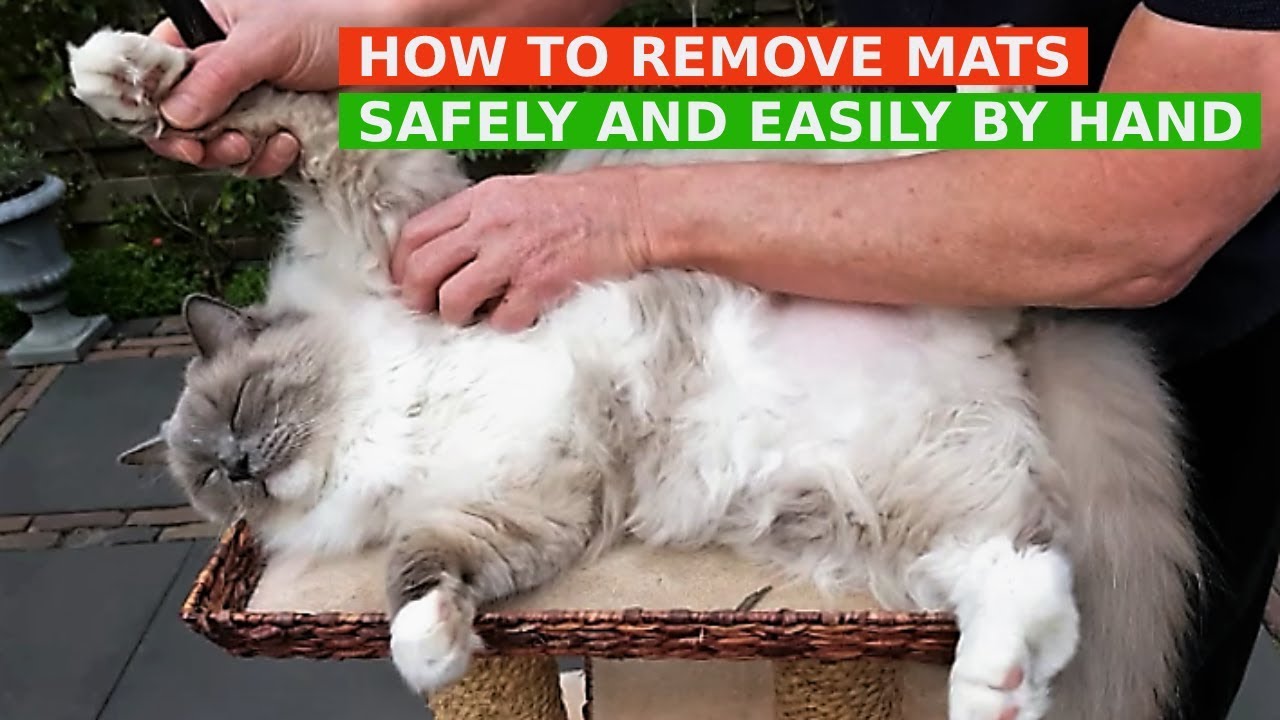
Credit: www.youtube.com
Step-by-step Mat Removal
Removing mats from your cat’s fur needs care and patience. Mats can hurt your cat’s skin and cause discomfort. Follow these steps to remove mats safely and gently. Always keep your cat calm and comfortable during grooming.
Start by preparing your cat for the grooming session. Then, use simple household items to help loosen the mats. Use gentle combing to work through the tangles. Know when mats are too tight and need professional help or shaving.
Preparing Your Cat For Grooming
Choose a quiet space with good light. Sit with your cat and speak softly. Offer treats to keep your cat relaxed. Use a soft brush to gently stroke your cat’s fur. Stop if your cat shows signs of stress. Take breaks if needed. This helps your cat feel safe during grooming.
Using Oil And Cornstarch To Loosen Mats
Apply a small amount of coconut or olive oil on the mat. Rub it gently to soften the fur. Let it sit for a few minutes. Sprinkle cornstarch on the mat to absorb oils and reduce stickiness. These steps make the mats easier to comb through. Avoid using too much oil to prevent mess.
Gentle Combing Techniques
Use a wide-toothed comb to start. Hold the fur close to the skin to reduce pulling. Slowly comb from the edges of the mat toward the center. Do not force the comb through tight mats. Work in small sections to avoid hurting your cat. Be patient and gentle to keep your cat calm.
When To Shave Severely Matted Fur
Some mats become too tight to remove by combing. Severe mats can cause skin infections or pain. If mats are close to the skin or cover large areas, consider shaving. Visit a professional groomer or vet for safe shaving. Avoid cutting mats at home to prevent injury. Shaving can help your cat stay clean and comfortable.
Safety Tips During Mat Removal
Removing mats from your cat’s fur needs care and attention. Safety is key to keep your cat comfortable and avoid injuries. Follow these tips to protect both your cat and yourself during the mat removal process.
Avoiding Skin Injuries
Use gentle tools designed for pet grooming only. Avoid sharp scissors near your cat’s skin. Work slowly to feel the fur’s texture under the mat. Stop if your cat shows signs of pain. Keep your nails trimmed to prevent accidental scratches.
Handling A Nervous Or Resistant Cat
Speak softly and calmly to soothe your cat. Hold your cat gently but firmly to prevent sudden moves. Take breaks if your cat becomes stressed or restless. Use treats to reward calm behavior. Choose a quiet room to reduce distractions and anxiety.
When To Seek Professional Help
Call a groomer or vet if mats are very tight or close to the skin. Avoid cutting mats yourself in hard-to-reach places. Seek help if your cat is aggressive or very scared. Professionals have special tools and experience for safe removal. Severe mats may require sedation for your cat’s safety.
Preventing Future Mats
Preventing future mats is key to keeping your cat comfortable and healthy. Mats cause pain and skin problems. Regular care stops mats before they start. Small daily steps help maintain soft, tangle-free fur. Understanding your cat’s needs supports better grooming habits.
Regular Grooming Routines
Brush your cat daily to avoid mats. Use a comb suited to your cat’s fur type. Start brushing gently from the head to tail. Focus on areas like behind the ears and under the legs. Check for small knots and remove them early. Set a grooming schedule to build a habit. Grooming sessions also improve your bond with your cat.
Diet And Hydration Effects
A healthy diet strengthens your cat’s fur. Feed balanced food rich in omega-3 and omega-6 fatty acids. These nutrients keep fur shiny and soft. Fresh water is essential for skin and coat health. Dehydration leads to dry, brittle fur that mats easily. Monitor your cat’s eating and drinking habits for signs of problems. Consult your vet for the best diet advice.
Environmental Factors To Consider
Keep your cat’s living area clean and dust-free. Dust and dirt can stick to fur and cause tangles. Avoid exposing your cat to excessive moisture. Wet fur mats quickly, especially in long-haired cats. Trim the fur around litter boxes and feeding areas. Regularly wash your cat’s bedding to reduce dirt buildup. A calm, stress-free environment helps maintain healthy fur.
Professional Grooming Options
Professional grooming offers a safe and effective way to remove mats from your cat’s fur. Experts have the right tools and training to handle delicate skin and stubborn mats. This option reduces stress for both you and your cat. It also helps prevent skin infections caused by mats left untreated.
Choosing a skilled groomer ensures your cat receives the best care. Groomers know how to calm anxious pets and avoid hurting them. They can also give advice on daily grooming to keep mats away. Professional grooming keeps your cat’s coat healthy and shiny.
Choosing A Groomer
Look for a groomer with experience in handling cats. Check reviews and ask for recommendations from your vet or friends. A good groomer should be patient and gentle. They should also have a clean and safe grooming environment. Make sure they use tools designed for cats, not dogs.
What To Expect During A Grooming Session
The groomer will start by examining your cat’s fur and skin. They will carefully remove mats using special combs and clippers. If mats are too tight, they may shave the affected areas. The groomer will work slowly to avoid causing pain or stress. After mats are removed, they often give a gentle bath and trim nails.
Costs And Frequency
Grooming prices vary depending on your location and your cat’s coat condition. A session to remove mats may cost more than a regular grooming visit. Expect to pay between $50 and $100 per session. For cats prone to mats, plan grooming every 6 to 8 weeks. Regular visits help prevent mats and keep your cat comfortable.

Credit: www.thesprucepets.com
Frequently Asked Questions
What’s The Best Way To Get Matted Fur Off A Cat?
Use a slicker brush and dematting tool to gently comb out mats. Apply coconut or olive oil to loosen tight mats. Avoid cutting to prevent injury. For severe mats, seek professional grooming or veterinary help.
Is Matted Fur Painful To Cats?
Matted fur causes pain by pulling on the skin and restricting movement. It can also lead to infections and discomfort.
How Do Groomers Get Rid Of Matted Fur?
Groomers use slicker brushes and dematting tools to gently loosen mats. Severe mats get spot shaved with clippers for safety. They avoid cutting mats with scissors to prevent injury.
What Is The Best Home Remedy For Matted Cat Hair?
Gently loosen mats using your fingers or apply cornstarch, then brush with a rubber brush and metal comb. Avoid cutting or pulling mats to prevent injury.
Conclusion
Removing mats from your cat’s fur takes patience and gentle care. Always use the right tools and avoid pulling or cutting mats yourself. Small mats can be worked out carefully at home, but severe mats need a vet’s help. Regular brushing prevents mats and keeps your cat comfortable.
Watch your cat’s behavior for signs of discomfort. Healthy fur means a happy cat. Keep grooming simple, safe, and consistent for the best results.
