
You love your cat like family, so it’s natural to worry when something feels off. But cats are experts at hiding when they’re not feeling well.
You might miss subtle signs that could mean your furry friend needs help. If your cat is eating less, hiding more, or acting strangely, these could be clues that something’s wrong. Knowing what to watch for can make all the difference in catching illness early and getting your cat the care they need.
Keep reading to learn the key signs your cat is unwell—because the sooner you notice, the better you can protect your beloved companion.

Credit: soinspalliatifspaca.com
Behavior Changes
Cats rarely show pain or illness openly. Behavior changes often reveal hidden health problems. Watch your cat closely for unusual actions. These shifts can signal that your cat feels unwell.
Hiding And Isolation
Cats may hide more if they feel sick. They choose dark, quiet places away from people. Isolation helps them feel safe when vulnerable. Notice if your cat suddenly avoids family or usual spots. This change can mean discomfort or pain.
Low Energy And Lethargy
Healthy cats are curious and playful. A sick cat may sleep more than usual. They may refuse to play or move much. Low energy shows the body is fighting illness. Keep track if your cat seems weak or slow.
Mood Swings
Sick cats often act different emotionally. They may become grumpy or irritable. Some cats show clingy or needy behavior. These mood swings suggest your cat is not feeling well. Note any sudden personality shifts.
Vocalization Shifts
Changes in meowing can signal problems. Cats may meow more loudly or often. Or they might become unusually quiet. Increased vocalization can mean pain or distress. Silence can also indicate serious illness.
Eating And Drinking Habits
Changes in your cat’s eating and drinking habits often signal health problems. Cats usually eat and drink at consistent times and amounts. Any shift in this routine can mean your cat is unwell. Monitoring these habits helps catch illnesses early. It also guides you in seeking timely veterinary care.
Loss Of Appetite
A sudden drop in appetite is a common sign of sickness. Cats may refuse food due to pain or discomfort. Illnesses like infections or dental problems often cause this. Watch for your cat skipping meals or eating very little. Persistent loss of appetite needs immediate veterinary attention.
Increased Or Decreased Thirst
Changes in drinking habits can indicate various health issues. Drinking more water than usual might point to kidney disease or diabetes. Drinking less could mean dehydration or mouth pain. Keep track of how much your cat drinks daily. Significant changes deserve a vet’s examination.
Changes In Eating Patterns
Unusual eating patterns, such as eating too fast or slow, can be a warning. Your cat might vomit or choke if eating too quickly. Eating only certain types of food may show discomfort or nausea. Sudden interest or disinterest in treats also matters. Note these changes and discuss them with your vet.
Bathroom Habits
Bathroom habits often reveal more than you realize about your cat’s health. Cats are usually clean animals with consistent routines. Any change in their bathroom behavior can signal a problem. Paying close attention to these habits helps catch illnesses early.
Litter Box Issues
Many cats use the litter box without fuss. Avoiding or missing the box can mean illness or stress. Look for changes like urinating or defecating outside the box. A dirty or hard-to-access box may cause avoidance. Sudden litter box accidents should never be ignored.
Urination Difficulties
Straining or crying while urinating is a serious sign. Your cat might have a urinary tract infection or blockage. Watch for frequent trips to the box with little output. Blood in the urine is an emergency. Immediate veterinary care can save your cat’s life.
Diarrhea And Vomiting
Loose stools or repeated vomiting are common signs of illness. Occasional vomiting might not be a concern, but frequent episodes are. Diarrhea can lead to dehydration quickly. Both symptoms can indicate infections, parasites, or digestive problems. Contact your vet if these signs last more than a day.
Physical Symptoms
Physical symptoms are often the first clear signs your cat is unwell. These signs show up on your cat’s body and behavior. Noticing changes early can help you get your pet care quickly. Watch your cat closely every day for anything unusual. Small changes can mean a bigger problem. Here are some common physical symptoms to watch for.
Coat And Grooming Problems
A healthy cat keeps its fur clean and shiny. If your cat’s coat looks messy or greasy, it may not be feeling well. Cats often stop grooming when they are sick. Bald spots, dandruff, or oily fur can also appear. These changes suggest your cat needs a vet checkup.
Breathing Difficulties
Breathing issues can be serious. Listen for wheezing, coughing, or heavy panting. Open-mouth breathing is a warning sign. Your cat may also breathe faster than usual or have noisy breaths. These symptoms need urgent veterinary attention.
Eye And Face Signs
Clear, bright eyes show a healthy cat. Watch for red, watery, or squinting eyes. Discharge or crust around the eyes or nose can signal illness. Swelling or sores on the face or around the mouth are also signs to note. These symptoms require prompt care.
Bad Breath And Oral Issues
Bad breath in cats is not normal. A strong, foul smell may mean dental disease or other health problems. Look for swollen or bleeding gums, drooling, or difficulty eating. Oral pain can cause your cat to avoid food. Dental issues often need professional treatment.
Emergency Signs
Emergency signs in cats need quick action. These signs show serious health problems. Acting fast can save your cat’s life. Learn to spot these critical symptoms now.
Straining To Urinate
Straining to urinate is a serious warning. Male cats especially risk a deadly urinary block. Your cat may try to pee but nothing comes out. This causes pain and distress. Immediate vet care is crucial to prevent a life-threatening crisis.
Trouble Breathing
Difficulty breathing means your cat is in danger. Watch for open-mouth panting, wheezing, or gasping for air. Cats normally breathe quietly and calmly. Any struggle to breathe needs urgent attention. This can signal heart or lung issues.
Loss Of Mobility
Sudden inability to move is a clear emergency. If your cat cannot walk or use its back legs, seek help now. This might be due to injury, stroke, or paralysis. Quick diagnosis can improve recovery chances.
Vomiting Blood Or Severe Weakness
Vomiting blood or extreme weakness is alarming. Blood may come from the stomach or throat. Severe weakness means your cat cannot stand or respond. These signs require immediate veterinary care. Delay can risk your cat’s life.

Credit: www.tetco-group.com
When To Seek Vet Care
Knowing when to seek veterinary care for your cat is crucial. Cats often hide illness well, so spotting the right signs early can save lives. Watch your cat closely for changes in behavior, eating habits, or physical condition. Acting quickly helps your cat get the care it needs before problems worsen.
Early Warning Signs
Look for small changes in your cat’s daily routine. A drop in appetite or drinking less water can signal trouble. Hiding more than usual or showing low energy also counts. Notice if your cat avoids the litter box or has trouble using it. Changes in grooming, like a messy or greasy coat, might mean sickness. Watch for unusual meowing or silence, which could mean pain or stress.
Urgent Symptoms
Some signs need immediate vet attention. Straining to urinate with no results can be life-threatening, especially for male cats. Open-mouth breathing or heavy panting shows serious distress. If your cat can’t walk or use its back legs, go to the vet fast. Vomiting blood or extreme weakness are emergencies. Don’t wait if you see these symptoms. Quick action can save your cat’s life.
Preparing For The Vet Visit
Gather notes on your cat’s symptoms and changes before the visit. Bring a list of questions or concerns to discuss with the vet. Keep your cat calm and secure in a carrier for the trip. Take note of any medications or treatments your cat is on. A clear history helps the vet diagnose and treat your cat better. Staying calm and organized helps your cat get the best care.
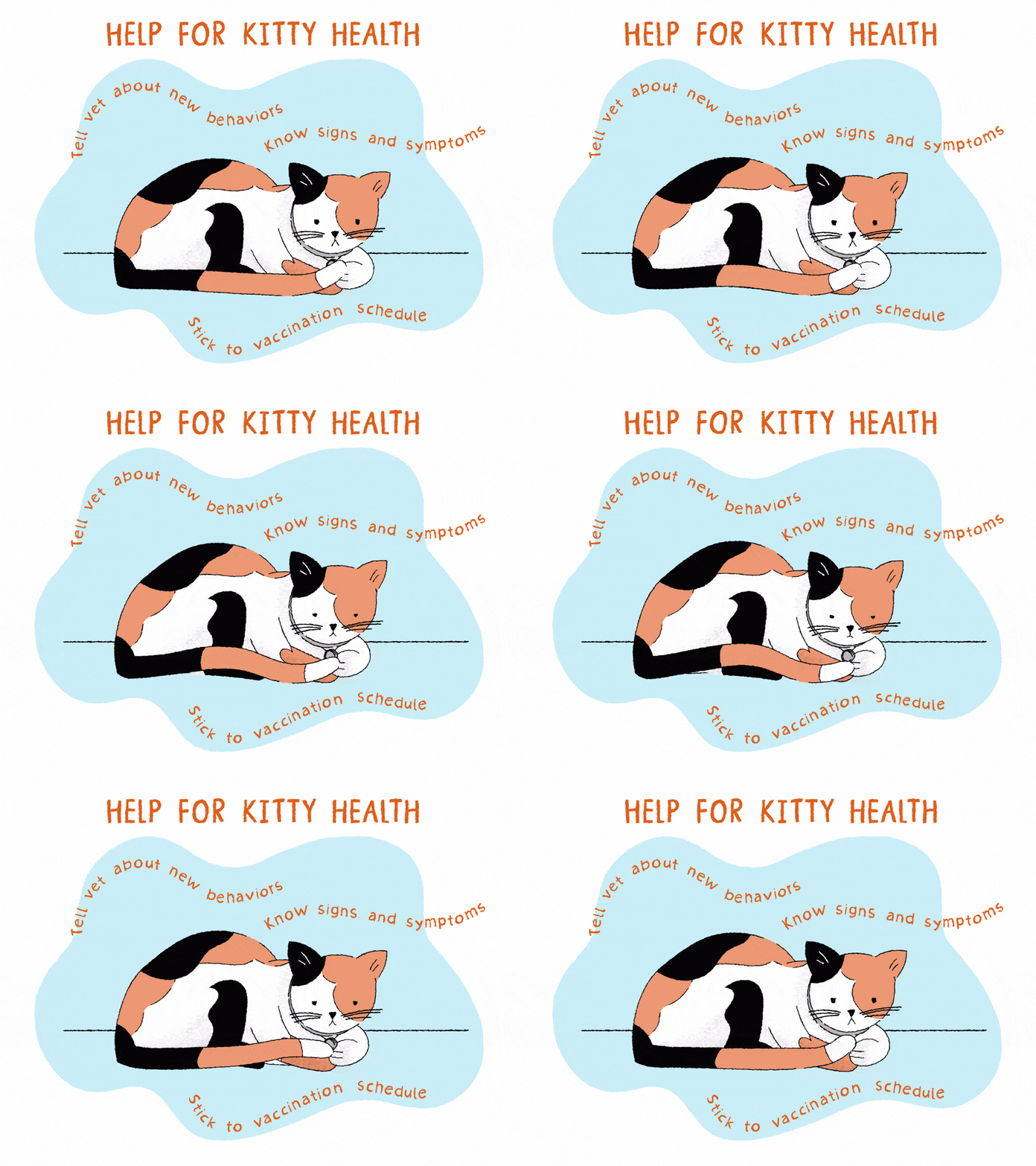
Credit: www.medonemedicalgroup.com
Frequently Asked Questions
What Is The 3-3-3 Rule Of Cats?
The 3-3-3 rule helps assess cat health: 3 days no eating, 3 weeks no weight gain, 3 months no growth.
Will A Cat Still Purr If It’s Sick?
Yes, cats can still purr when sick. Purring may comfort them, but watch for other illness signs and consult a vet if concerned.
How Do Cats Lay When Sick?
Sick cats often lie curled up, stretched out unusually, or hide in quiet, dark places. They may appear restless or limp. Watch for changes in posture or reluctance to move, signaling discomfort or pain.
How Long Is A Cat Sick For?
A cat’s sickness duration varies by illness but typically lasts from a few days to two weeks. Seek a vet if symptoms persist or worsen.
Conclusion
Cats often hide when they feel sick. Watch for changes in eating, mood, or energy. Notice if your cat grooms less or has trouble breathing. Strange behaviors or bathroom issues can signal illness. Quick action helps your cat get the care it needs.
Trust your instincts and consult a vet if worried. Early attention can make a big difference. Keep your cat healthy by staying alert to these signs. Caring for your cat means watching closely every day.
