
Most cats are considered seniors around age 11, though large breeds like Maine Coons may reach that stage closer to 10 and small, long-lived cats can coast into their teens before anything changes. If you searched for important considerations for senior cat care, you already suspect something has shifted — maybe your cat sleeps more, jumps less, or has quietly lost weight. This guide covers the practical, vet-backed adjustments that matter most, from nutrition and pain screening to home setup and costs.
Key Takeaways
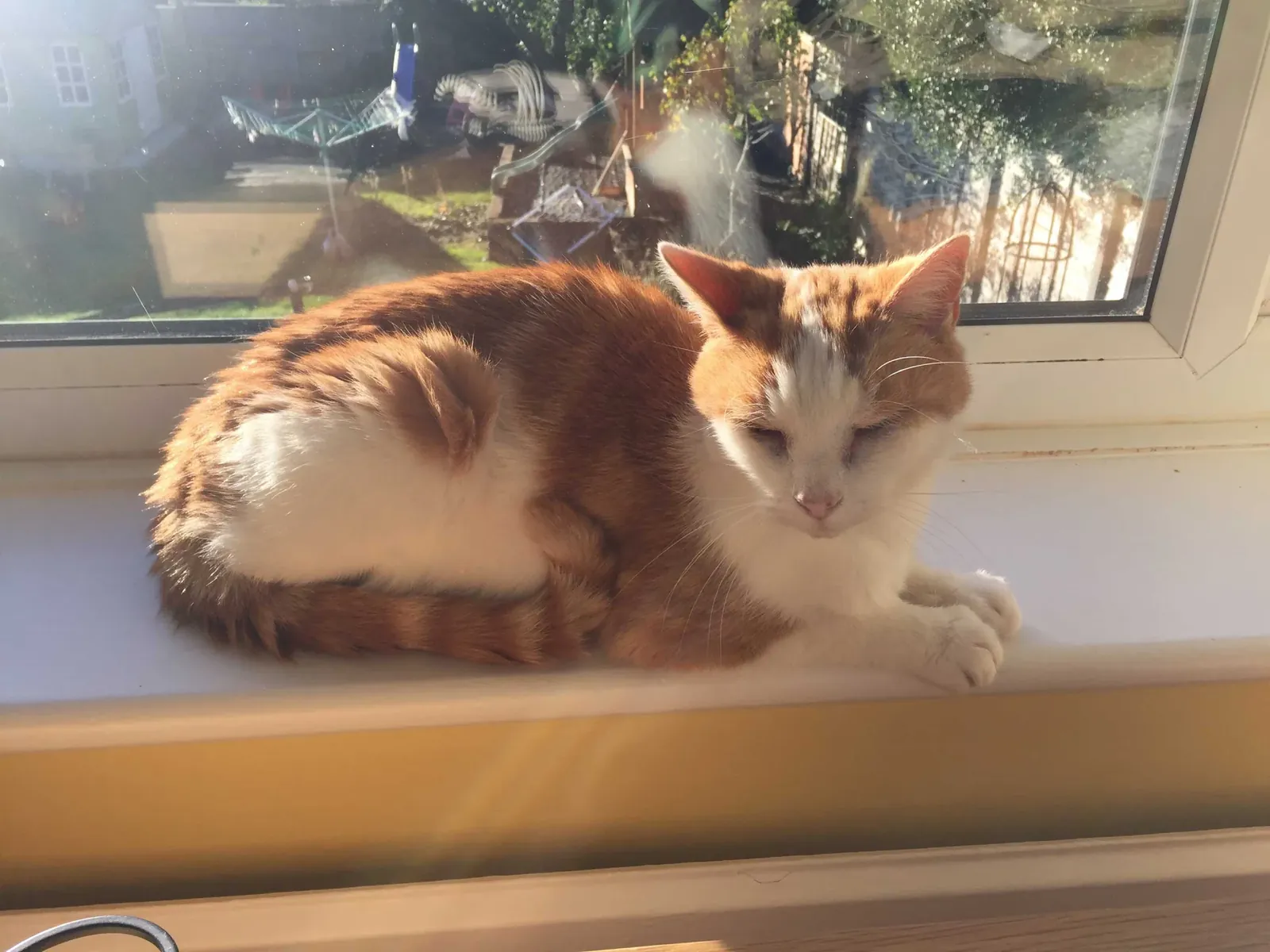
- Cats age roughly 4–5 “human years” for every calendar year after age 10, so a 14-year-old cat is comparable to a person in their 70s.
- Senior cats need a veterinary exam every 6 months, not annually — organ changes and dental disease move fast at this stage.
- Kidney disease, hyperthyroidism, arthritis, and dental disease are the four conditions that show up most often in cats over 10.
- Weight loss in a senior cat is never “just aging.” It almost always signals an underlying condition worth testing.
- Small home changes — low-sided litter boxes, ramps, warm beds — reduce pain and accidents more than most owners expect.
- Budget roughly $600–$2,500 per year for senior care, depending on whether you pursue diagnostics, dental work, or chronic medication.
Why Senior Care Is Different
Aging cats hide discomfort instinctively. In the wild, showing weakness invites predators, so a cat with aching joints or a painful tooth will still jump on the counter and purr at you. That instinct is why senior cats get diagnosed late and why routine screening matters more than waiting for symptoms.
Physiologically, several things decline at once: kidney filtration, heart muscle flexibility, digestion and nutrient absorption, immune response, and the ability to concentrate urine. Body composition also shifts — muscle mass drops even when weight stays stable, which is why a scale alone can miss muscle wasting.
The Four Conditions to Screen For
| Condition | Typical Signs | Primary Test |
|---|---|---|
| Chronic kidney disease | Increased drinking, larger urine clumps, weight loss | Blood chemistry + SDMA + urinalysis |
| Hyperthyroidism | Ravenous appetite with weight loss, night yowling, restlessness | Total T4 blood test |
| Osteoarthritis | Stiff jumps, reluctance on stairs, matted coat, hiding | Physical exam; X-rays if unclear |
| Dental disease | Bad breath, dropping food, chewing on one side, drooling | Oral exam under sedation |
These four overlap constantly. A cat with kidney disease can also be hyperthyroid, and hyperthyroidism masks kidney values until it’s treated. That interaction is one reason a single annual blood panel isn’t enough at this age.
Nutrition Changes That Actually Help
Senior cats have contradictory needs: they often need more protein to preserve muscle, but if kidneys are compromised they may need controlled phosphorus. Don’t guess — the diet should follow the bloodwork.
- Protein: Senior cats generally need high-quality, highly digestible protein unless kidney values say otherwise. Muscle loss accelerates without it.
- Phosphorus: Restricted only when kidney disease is confirmed. A renal diet started too early can cause its own problems.
- Hydration: Wet food, water fountains, and multiple water stations encourage intake. Many seniors simply drink too little.
- Warming food: Slightly warming wet food improves aroma and appetite in cats with a dulled sense of smell.
- Feeding frequency: Smaller, more frequent meals suit older digestive systems better than one large portion.
Pro Tip: Weigh your senior cat monthly on a kitchen scale and log it. A 5% weight loss in a 10-pound cat is half a pound — easy to miss by eye, but a meaningful clinical signal.
Pain and Mobility Management
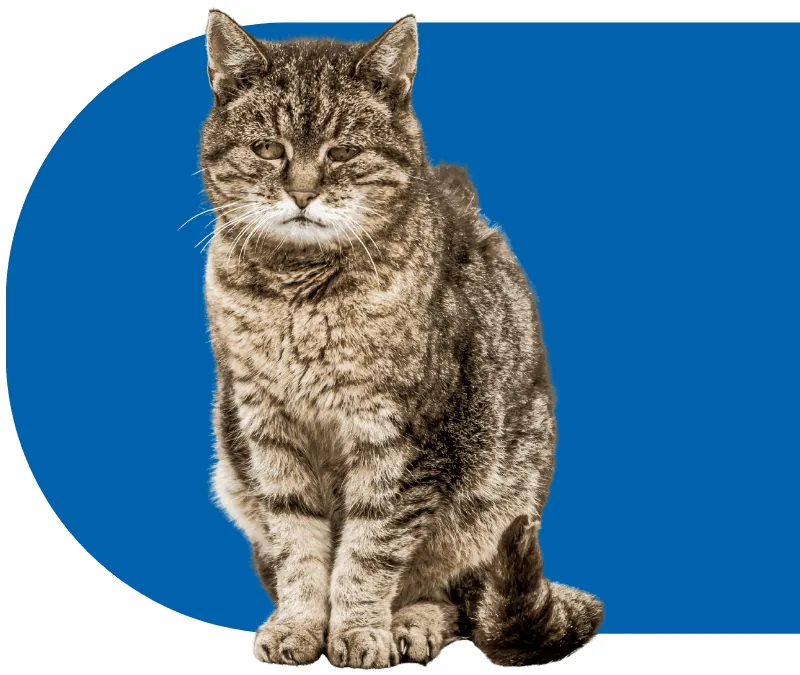
Arthritis affects a large share of cats over 12, and it’s routinely under-treated because cats don’t limp the way dogs do. Watch for a cat that stops using the stairs, hesitates before jumping, or suddenly prefers the floor to the couch.
Treatment options your vet may discuss include:
- Meloxicam or gabapentin at carefully adjusted doses (never give human pain relievers — acetaminophen and ibuprofen are toxic to cats)
- Solensia (frunevetmab), an injectable monoclonal antibody approved for feline osteoarthritis pain
- Joint supplements containing glucosamine and omega-3 fatty acids
- Physical therapy, laser therapy, and acupuncture at referral practices
- Weight management — every extra pound stresses already painful joints
Warning: Never give a cat any over-the-counter human pain medication without veterinary direction. A single acetaminophen tablet can be fatal.
Setting Up the Home for an Older Cat
Small environmental changes prevent most senior-cat accidents and injuries. The goal is reducing the distance, height, and effort required for daily life.
| Area | Problem | Fix |
|---|---|---|
| Litter box | High sides, stairs to reach it | Low-entry box on every floor the cat uses |
| Feeding | Bending down, competition | Elevated bowls; separate feeding station if multi-cat |
| Sleeping | Cold floors, high perches | Heated orthopedic bed at floor level |
| Jumping | Sofa and bed height | Pet stairs or ramps to favorite spots |
| Grooming | Matted coat from reduced flexibility | Daily brushing; sanitary trim if needed |
Also keep night lights on along the route to the litter box. Older cats with failing eyesight or early cognitive decline navigate better with consistent lighting and furniture that doesn’t move.
Veterinary Schedule and Screening
Twice-yearly exams are the standard recommendation for cats over 10, because six months represents roughly two to three “cat years” of change. A typical senior panel includes:
- Complete blood count and chemistry panel
- Total T4 (thyroid)
- Urinalysis with specific gravity
- Blood pressure measurement — hypertension is common and damages kidneys and eyes
- Body condition and muscle condition scoring
- Dental assessment
Ask your vet to run SDMA, a kidney marker that can flag disease earlier than creatinine alone. The American Veterinary Medical Association publishes senior pet care guidance that reinforces the twice-yearly exam standard.
Dental Care Is Not Optional
Periodontal disease affects most cats over three, and by senior age it can mean infected tooth roots, bone loss, and chronic pain that suppresses eating. Dental cleanings require anesthesia, which raises legitimate concerns in older cats — but modern protocols with pre-anesthetic bloodwork and monitoring make anesthesia far safer than untreated dental infection.
Signs you shouldn’t ignore: drooling, dropping food, chewing on one side, pawing at the mouth, or a sudden preference for soft food. A veterinary dental cleaning typically runs $400–$900, with extractions adding $200–$600 or more depending on complexity.
Cognitive Decline and Behavior Changes
Feline cognitive dysfunction resembles dementia: night waking and yowling, staring at walls, getting stuck in corners, forgetting litter box habits, and increased clinginess or irritability. It’s a diagnosis of exclusion, so bloodwork comes first.
Management includes:
- SAMe and omega-3 supplements, which have some evidence for supporting brain function
- Prescription diets formulated for cognitive support
- Selegiline, a medication used in some feline cognitive cases
- Routine, predictable daily schedules and night lights
- Puzzle feeders and gentle play to keep the brain engaged
Costs You Should Plan For
| Expense | Typical Annual Range |
|---|---|
| Wellness exams (2/year) + senior bloodwork | $300–$600 |
| Dental cleaning | $400–$900 |
| Chronic medication (thyroid, pain, kidney) | $300–$900 |
| Prescription or renal diet | $400–$800 |
| Emergency or diagnostic imaging | $500–$2,000+ |
Pet insurance rarely covers pre-existing conditions, so enrolling before a diagnosis matters. Otherwise, a dedicated savings fund of $2,000–$3,000 covers most non-emergency senior care.
Frequently Asked Questions
At what age is a cat considered a senior?
Most veterinary organizations place senior status at 11 years, with “mature” starting around 7 and “geriatric” around 15. Large-breed cats may age faster and reach senior status closer to 10. Lifespan varies widely — indoor cats commonly live 13–17 years, and some reach their early 20s.
How often should a senior cat see the vet?
Every six months is the standard for cats over 10. Because cats age roughly four to five times faster than humans, a semiannual visit is comparable to a person seeing their doctor every two to three years. It catches kidney, thyroid, and dental changes while they’re still manageable.
Why is my senior cat losing weight but eating normally?
An excellent appetite with weight loss points strongly toward hyperthyroidism, diabetes, or intestinal disease. If appetite is poor alongside weight loss, kidney disease, dental pain, or cancer are possibilities. Either pattern warrants bloodwork and a urinalysis promptly — this isn’t a normal part of aging.
Should I switch my senior cat to senior food?
Not automatically. “Senior” formulas vary widely and some reduce protein, which is the opposite of what many aging cats need. The right diet depends on bloodwork results. Ask your vet whether your cat needs standard senior nutrition, a renal formula, a diabetic diet, or simply higher-protein wet food.
Is anesthesia safe for an old cat?
With proper pre-anesthetic bloodwork, IV fluids, and monitoring, anesthesia is generally safe even for geriatric cats. The bigger risk is untreated dental infection and chronic pain. Discuss your cat’s specific organ function with your vet and ask what monitoring will be used.
How can I tell if my senior cat is in pain?
Watch for changes rather than obvious signs: hiding more, sleeping in different spots, reduced grooming, hesitating before jumps, irritability when touched, and eating less. Cats rarely cry or limp from chronic pain. A mobility questionnaire at your vet visit can help score it objectively.
Conclusion
Start with a single concrete step this week: book a senior wellness exam, and bring a written log of your cat’s weight, appetite, water intake, and litter box habits. That information turns a routine checkup into a genuinely useful diagnostic appointment — and it gives your vet the timeline they need to catch problems while they’re still easy to manage.
