
If you love having an indoor cat, you know shedding can quickly turn your cozy home into a fur-covered mess. But what if you could keep your cat’s shedding under control and enjoy a cleaner, more comfortable space?
Shedding is natural, but with the right steps, you can reduce the amount of loose hair and make your life easier. You’ll discover simple, effective ways to manage your cat’s shedding so you can spend more time cuddling and less time cleaning.
Ready to tackle the fur and keep your indoor cat happy and healthy? Let’s dive in!
Causes Of Shedding In Indoor Cats
Shedding is a natural process for indoor cats. It helps them get rid of old or damaged fur. Several factors influence how much a cat sheds. Understanding these causes can help manage shedding better.
Seasonal Shedding Patterns
Cats shed more during certain seasons. In spring and fall, they lose thick winter or summer coats. Even indoor cats follow this pattern because of light exposure. Changes in daylight trigger their shedding cycles. This is a normal way for cats to adjust to temperature changes.
Diet And Nutrition Impact
A cat’s diet affects the health of its fur. Poor nutrition can cause extra shedding. Cats need proteins, vitamins, and fatty acids for a healthy coat. Lack of these nutrients makes fur weak and more likely to fall out. Feeding high-quality food supports skin and fur health.
Stress And Environmental Factors
Stress can cause cats to shed more than usual. Changes in environment or routine may upset them. Loud noises, new pets, or moving homes are common stress triggers. Stress affects a cat’s hormone levels, increasing hair loss. Keeping a calm, stable environment helps reduce shedding.
Health Issues Linked To Shedding
Excessive shedding may signal health problems. Skin infections, allergies, or parasites cause fur loss. Hormonal imbalances like thyroid issues also increase shedding. Regular vet visits help catch these conditions early. Treating health issues often reduces shedding significantly.

Credit: www.vets4pets.com
Daily Grooming Techniques
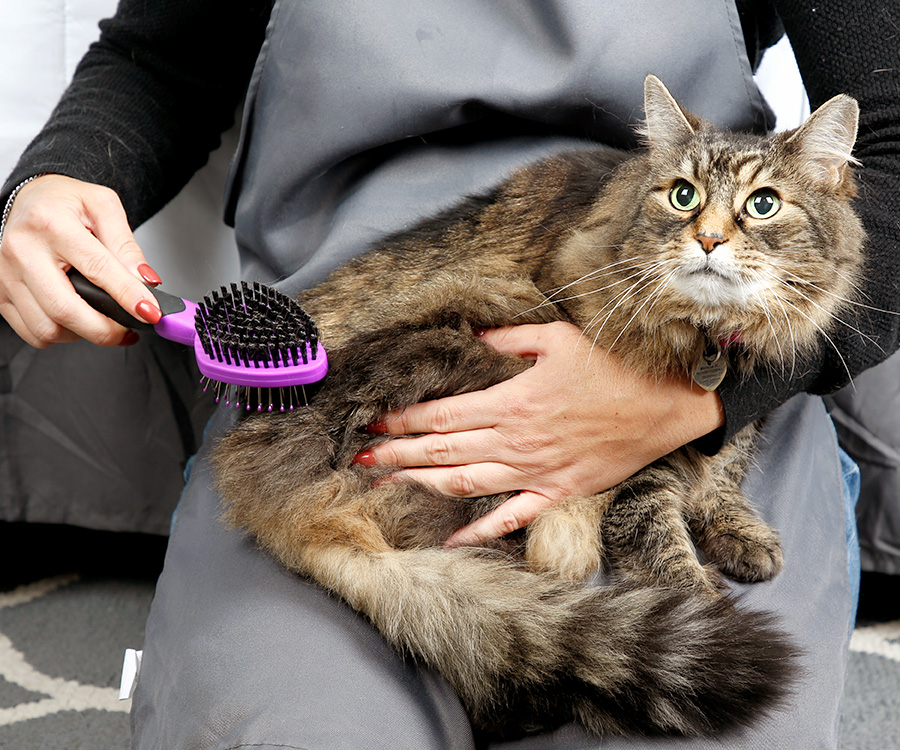
Daily grooming is essential to control shedding in indoor cats. It keeps their coat healthy and reduces loose fur around your home. Regular grooming also strengthens the bond between you and your pet. Using the right tools and techniques makes grooming easier and more effective.
Choosing The Right Brush
Select a brush suitable for your cat’s fur type. Short-haired cats do well with rubber brushes or bristle brushes. Long-haired cats need a slicker brush or wide-tooth comb. Avoid harsh brushes that may hurt your cat’s skin. Soft, gentle bristles help remove loose hair without discomfort.
Brushing Frequency And Methods
Brush your cat daily to catch loose fur early. Start with gentle strokes along the direction of hair growth. Use longer strokes on large areas like the back and sides. Pay special attention to under the legs and around the neck. Be patient and calm to keep your cat relaxed during brushing.
Bathing Tips For Indoor Cats
Bathing reduces shedding but should not be too frequent. Use a cat-specific shampoo to avoid skin irritation. Make water warm and keep the cat calm during the bath. Rinse thoroughly to remove all shampoo. Dry your cat with a soft towel or a low-heat dryer. Bathing once every few months helps keep shedding under control.
Dietary Adjustments To Reduce Shedding
Adjusting your indoor cat’s diet is a key step in reducing shedding. A balanced diet supports skin health and strengthens the coat. Proper nutrition helps minimize loose fur and promotes a shiny, healthy coat. Small changes in food quality and hydration can make a big difference.
Importance Of High-quality Food
Choose cat food rich in proteins and essential fatty acids. High-quality ingredients nourish the skin and coat deeply. Avoid fillers and artificial additives that may cause allergies. Natural, nutrient-dense food helps reduce excessive shedding. Look for foods with omega-3 and omega-6 oils for skin support.
Supplements That Help Coat Health
Supplements like fish oil or flaxseed oil boost coat condition. They provide vital omega fatty acids to reduce dryness and itching. Biotin and vitamin E also support skin repair. Always consult your vet before adding supplements. Proper supplementation keeps your cat’s fur soft and less prone to falling out.
Hydration And Skin Condition
Water intake affects skin moisture and fur quality. Dehydrated cats often have dry, flaky skin that sheds more. Provide fresh water daily and consider a water fountain to encourage drinking. Wet cat food can also increase hydration levels. Well-hydrated skin reduces irritation and hair loss naturally.
Credit: www.hartz.com
Managing Stress To Limit Shedding
Stress plays a big role in how much indoor cats shed. When cats feel uneasy or scared, their bodies may react by losing more fur. Managing stress helps keep shedding under control. It also keeps cats happy and healthy. Understanding ways to lower stress benefits both cats and their owners.
Creating A Calm Environment
Keep your cat’s space quiet and safe. Avoid loud noises and sudden changes. Provide a cozy bed in a quiet corner. Soft lighting helps reduce stress. Offer hiding spots like boxes or cat tents. These places make cats feel secure. A calm environment lowers anxiety and shedding.
Interactive Play And Mental Stimulation
Playtime is key to reduce stress. Use toys that mimic hunting, like feather wands or laser pointers. Short sessions several times a day work best. Puzzle feeders keep cats’ minds active. Mental exercise tires cats in a good way. A busy cat worries less and sheds less.
Recognizing Stress Signs In Cats
Watch for changes in behavior. Cats may hide more or stop eating. Excessive grooming or scratching can appear. Vocalizing loudly or pacing are signals too. Early recognition helps stop stress from growing. Act quickly to calm your cat and reduce shedding.
Home Cleaning Strategies
Managing cat hair around the house requires solid home cleaning strategies. Regular cleaning can lower the amount of loose fur indoors. It also helps keep your living space fresh and tidy. Focus on simple tools and routines that fit daily life. This section covers effective ways to clean cat hair and protect your furniture.
Vacuuming And Sweeping Tips
Vacuum floors and carpets often to remove loose fur. Use a vacuum with a pet hair attachment for better results. Sweep hard floors daily with a soft-bristle broom. This picks up hair before it spreads. Vacuum upholstery and curtains weekly to catch hidden fur. Empty the vacuum bag or bin regularly to keep suction strong.
Using Lint Rollers And Fur Removers
Keep lint rollers handy for quick fur removal on clothes and furniture. Use sticky sheets to lift hair easily. For larger surfaces, try rubber brushes or fur removers. These tools grab hair without damaging fabric. Run them over sofas, cushions, and bedding. Replace sticky sheets often to maintain effectiveness.
Protecting Furniture And Bedding
Cover sofas and chairs with washable blankets or slipcovers. These protect surfaces from fur and are easy to clean. Choose fabrics that resist hair sticking, like leather or tightly woven materials. Wash cat bedding and blankets weekly to remove loose fur. Consider using pet-specific covers for extra protection.
When To Consult A Veterinarian
Knowing when to consult a veterinarian about your cat’s shedding is important. Some shedding is normal for indoor cats. Yet, unusual hair loss might signal health problems. Early veterinary advice can prevent serious issues. Watch your cat’s coat and behavior closely. Changes in shedding can mean more than just seasonal shifts.
Identifying Abnormal Shedding
Normal shedding appears as loose hairs during grooming. Abnormal shedding shows clumps of hair falling out. Bald patches or red, irritated skin also raise concern. Excessive scratching or biting suggests discomfort. Sudden or patchy hair loss needs veterinary attention. Your vet can check for allergies or parasites causing shedding.
Possible Medical Treatments
Treatment depends on the cause of shedding. Vets may prescribe medication for infections or parasites. Allergy treatments can reduce skin inflammation. Special shampoos might soothe irritated skin. Hormone imbalances need targeted therapy. Your vet creates a plan to stop abnormal hair loss.
Monitoring Long-term Shedding Patterns
Keep a diary of your cat’s shedding habits. Note any changes in amount or pattern. Share this information with your vet during visits. Long-term monitoring helps detect recurring problems. It guides treatment adjustments for better results. Regular check-ups keep your cat’s coat healthy.
Frequently Asked Questions
How To Keep Indoor Cats From Shedding In The House?
Brush your indoor cat daily to remove loose fur. Feed high-quality food and maintain hydration. Vacuum regularly and use furniture covers. Monitor stress and health issues. Consult a vet for excessive shedding concerns.
What Can I Give My Cat To Decrease Shedding?
Give your cat a balanced diet rich in omega-3 fatty acids and provide regular brushing to reduce shedding. Consult your vet for supplements.
Do Cats Ever Stop Shedding Hair?
Cats never completely stop shedding hair. Shedding varies with seasons, health, and breed. Regular grooming helps control it.
Why Do Indoor Cats Shed So Much?
Indoor cats shed due to seasonal changes, stress, diet, and lack of outdoor stimuli. Regular grooming reduces loose fur and dander.
Conclusion
Reducing shedding in indoor cats takes patience and care. Regular brushing helps remove loose fur before it spreads. Feeding a balanced diet supports a healthy coat. Keeping your home clean reduces fur buildup on furniture. Watch your cat’s behavior for signs of skin problems.
Simple steps can make shedding more manageable every day. Your cat will feel better, and so will your home.
