
Is your senior cat acting a little different lately? It can be hard to tell if your furry friend is in pain or discomfort because cats are experts at hiding it.
But as your cat ages, knowing the subtle signs of suffering becomes crucial to keeping them comfortable and happy. You might notice changes like hiding more, grooming less, or having trouble jumping onto their favorite spots. These small shifts could mean your cat is struggling but can’t tell you in words.
You’ll learn exactly how to spot if your senior cat is suffering, so you can take action early and give them the care they deserve. Keep reading—your cat is counting on you.

Credit: pawsandmorevet.com.au
Mobility Issues
Mobility issues are common signs that a senior cat may be suffering. Cats rely on their agility and strength to move around comfortably. Changes in how your cat walks, jumps, or stands can indicate pain or illness. These signs often go unnoticed until they become severe.
Stiff Or Slow Walking
Senior cats may walk with stiffness or more slowly than usual. They might struggle to stand up after resting. Notice if your cat hesitates before taking steps or moves cautiously. These changes can signal arthritis or joint pain.
Avoiding Jumps
Jumping is a natural behavior for cats. If your cat stops jumping on furniture or windowsills, it may feel pain. Avoiding jumps helps reduce discomfort in hips, knees, or back. Watch for reluctance to reach favorite spots.
Weakness In Legs
Weak legs cause trembling or wobbling while your cat stands or walks. Your cat may drag its back legs or shift weight unevenly. Muscle weakness or nerve problems often cause these symptoms. Early detection can improve care and comfort.
Grooming Changes
Grooming changes in senior cats often signal health problems or discomfort. Cats usually keep themselves clean and tidy. When they stop grooming properly, it may indicate pain or illness. Watch closely for signs of a messy coat or lack of self-cleaning. These clues help identify if your senior cat is suffering.
Unkempt Or Matted Coat
A senior cat with an unkempt or matted coat needs attention. Matted fur forms when the cat cannot reach certain areas. The coat may look greasy, dull, or tangled. This happens because the cat feels pain bending or stretching. Arthritis or injuries often cause this problem. Poor grooming can lead to skin infections or discomfort.
Lack Of Self-cleaning
Senior cats usually groom themselves several times daily. A sudden drop in cleaning is a warning sign. It may mean the cat feels weak or sick. Dental pain, joint stiffness, or general fatigue can reduce grooming. Watch for dirt or dandruff buildup on the fur. A lack of self-cleaning shows your cat might be struggling.
Behavioral Shifts
Behavioral shifts in senior cats often signal discomfort or illness. Cats hide pain well, so changes in behavior can be the first clue. Watch closely for any new or unusual actions. These changes may indicate your cat needs help or medical attention.
Increased Hiding
Senior cats may hide more than usual. They seek quiet, dark places away from people. Hiding reduces their stress but can mean pain or fear. Notice if your cat spends long hours alone in closets or under furniture. This change often shows a health problem.
Aggression Or Grumpiness
Your usually calm cat might growl, hiss, or swipe. This behavior can be a sign of pain or discomfort. Touching certain areas may cause a negative reaction. A sudden mood change to grumpiness or aggression is a red flag. It means your cat might be suffering and needs checking.
Unusual Vocalizing
Senior cats may meow, howl, or cry more than normal. Nighttime vocalizing can be especially common. This can signal confusion, pain, or anxiety. Pay attention to the tone and frequency of the sounds. Unusual vocal noises often mean your cat needs comfort or care.

Credit: www.carecredit.com
Eating And Bathroom Habits
Changes in eating and bathroom habits often signal health issues in senior cats. These habits reflect your cat’s overall well-being and comfort. Paying attention to them helps catch problems early.
Senior cats may hide pain or illness by altering how they eat or use the litter box. Sudden or gradual changes in these areas need careful observation. Such changes often point to discomfort or disease that needs veterinary care.
Sudden Weight Loss
Noticeable weight loss can mean serious health issues. Your cat’s bones may become more visible or feel sharper. Weight loss can result from dental pain, kidney disease, or cancer. Do not ignore this sign. It requires prompt veterinary attention.
Loss Of Appetite
Eating less or refusing food is a red flag. Your cat might turn away from favorite meals or drop food while eating. Loss of appetite can indicate pain, nausea, or infections. Track how long this lasts. Persistent loss needs a vet’s evaluation.
Litter Box Issues
Senior cats may start missing the litter box. They might avoid it due to arthritis or difficulty climbing the box’s sides. Urinating or defecating outside the box can also signal bladder or bowel problems. Watch for changes in frequency or appearance of waste. These changes require immediate attention.
Recognizing Pain
Recognizing pain in a senior cat can be challenging. Cats instinctively hide discomfort to protect themselves. Owners must watch for subtle signs that suggest their cat is suffering. These signs often show through changes in behavior and daily habits. Identifying pain early helps improve a cat’s quality of life and ensures timely care.
Withdrawal From Interaction
A senior cat in pain may avoid social contact. They might hide more and stay in quiet, secluded spots. They may also refuse petting or playing. This withdrawal signals discomfort or fear of movement. Notice if your cat no longer seeks your attention or hides more than usual.
Reluctance To Move
Cats in pain often move less. They may hesitate to jump or climb stairs. You could see stiffness or slow walking after resting. Watch for trembling or wobbling legs. These changes can indicate joint or muscle pain. Limited movement shows the cat is trying to avoid discomfort.
Changes In Daily Activities
Pain affects a cat’s normal routine. They may groom less, leading to a dull or matted coat. Eating habits can change, including loss of appetite. Bathroom habits might also shift, such as avoiding the litter box. These subtle changes often point to underlying pain or illness.
When To See A Vet
Knowing when to see a vet for your senior cat is crucial. Cats often hide pain or discomfort. This makes it hard to know when they need help. Watching for specific signs helps you decide when to act. Early vet visits can improve your cat’s quality of life.
Scheduling An Evaluation
Book a vet appointment as soon as you spot worrying signs. These include changes in movement, grooming, or eating habits. The vet will perform a full health check. This helps identify pain, illness, or other issues. Regular check-ups become more important as cats age. They catch problems before they worsen.
Discussing Comfort Care
Talk openly with your vet about your cat’s comfort. Ask about pain relief options and lifestyle changes. The vet can suggest treatments to ease discomfort. This may include medication, diet, or special bedding. Comfort care helps your cat enjoy daily life more.
Preparing Questions For Your Vet
Write down your observations before the visit. Note any changes in behavior, appetite, or mobility. Include your cat’s age and known health problems. Prepare to ask about prognosis and treatment choices. Clear questions ensure you get the right answers. This helps you make the best decisions for your cat.
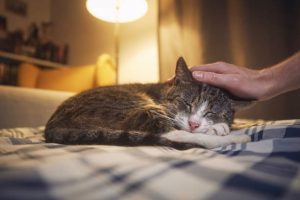
Credit: pawsatpeace.com
Frequently Asked Questions
What Are End Of Life Signs In An Elderly Cat?
End-of-life signs in elderly cats include hiding, weight loss, poor grooming, difficulty moving, changes in mood, and litter box issues.
What Does A Cat Do Before It Passes Away?
Before passing, a cat often hides, stops grooming, loses appetite, shows weakness, and may vocalize unusually.
What Is The Average Lifespan Of An Elderly Cat?
The average lifespan of an elderly cat ranges from 12 to 16 years. Some cats live well beyond 18 years with proper care.
What Is The Most Common Cause Of Death In Elderly Cats?
The most common cause of death in elderly cats is chronic kidney disease. It often leads to organ failure and severe health decline.
Conclusion
Senior cats show pain through subtle changes you can spot daily. Watch for shifts in movement, grooming, eating, and mood. Early detection helps provide comfort and improve their quality of life. Trust your observations and seek veterinary advice without delay.
Caring for a senior cat means patience, love, and attention to these small signs. Your gentle care makes their golden years peaceful and safe.
